Abstract
Background. Suicides represent a serious public health problem worldwide. An increase in suicide rates was observed among psychiatric inpatients.
Objectives. The aim of this study was to examine differences in inpatient suicides across age groups and to derive clinical implications from special features of inpatient suicide.
Materials and methods. A total of 229 (partially) inpatient suicides were retrospectively analyzed based on standardized report protocols. Data included information on sociodemographic background, medication, diagnoses, duration of hospitalization, suicide method, location, weekday, and potential stressors. Suicide rates per admission were calculated by sex and age group. Age-related differences in categorical variables were analyzed using χ2 tests.
Results. From 2008 to 2019, the overall suicide rate ranged from 0.06% to 0.03% suicides/admission. Suicide rates per admission, stratified by age group, showed a significant increase for both women and men aged 60–69 years. Age stratification (χ2 tests including post hoc tests with Bonferroni correction) showed differences in diagnoses, stressors, and medication. Hanging was the most common suicide method, followed by railway suicide. More than half of the suicides occurred outside the hospital environment, during hospital leave approved by staff.
Conclusions. The suicide rate per duration of hospitalization increased after the first month of treatment, which may highlight the severity of the underlying mental illness, resulting in a longer hospitalization period and potential therapy resistance, so approved periods of leave should be considered carefully. Awareness of somatic comorbidities and chronic pain during the therapeutic process is important, especially for older patients. Hanging is the most common method of suicide, whereas railway suicide is the most common method in younger age groups. These findings emphasize the importance of preventive construction measures.
Key words: suicide (attempted), inpatients, mental disorders, age factors, risk factors
Background
Suicide remains a substantial global issue. Only a minority of suicides occur while the person concerned is under treatment in a psychiatric hospital. However, these events are particularly tragic, since help was close. Ambivalence toward treatment and care might result in a decision to disengage from medical care and commit suicide. In 2019, the World Health Organization (WHO) reported more than 700,000 suicides worldwide.1 The estimates for suicide attempts are up to 30 times higher than those for completed suicides.2 In 2019, the suicide rate was 8.27 per 100,000 people in the general population in Germany.1 While there had been a constant decrease in suicide rates over the past decades in Germany, this trend was reversed in 2022, as the suicide rate increased to 12.1 per 100,000 people in the general population.3 The estimated suicide rate among psychiatric inpatients worldwide over the last 60 years was 147 per 100,000 admissions, which is higher than the suicide rate in the general population.4 Older studies in Germany reported 1,6875 and 1,312 admissions per suicide.6 More recent studies reported 1,389 admissions per suicide7, 8 and 444 admissions per suicide.9
Although inpatient treatment in psychiatric departments is focused on the prevention of self-harm and suicidal behavior, some inpatients die by suicide during treatment. The risk of suicide is highest in the 1st week of admission and in the 1st week following discharge.10, 11 The suicide rate after discharge was 100 times higher than the global rate in the general population and 3 times higher than the rate among psychiatric inpatients.10 Analysis of suicide risk in relation to psychiatric hospitalization showed that suicide risk was higher in patients receiving treatment for a shorter period.11 Patients who did not complete treatment were at higher risk of repeated suicidal acts.12 Furthermore, patients with suicidal ideation appeared to be more ambivalent toward psychotherapy and did not believe in the success of treatment.13
Busch et al. retrospectively analyzed suicidal ideation or behavior in patients who died by suicide during inpatient treatment. In this study, 78% denied suicidal ideation during the last therapeutic exchange.14 Even if psychiatric treatment is specifically tailored to protect patients from suicide, in a small number of cases the fatal outcome cannot be prevented. Suicides can occur even in contexts of constant observation.15 Long-term risk factors for suicide include psychosis, major depressive disorder, and a history of previous suicide attempts, among others.16 Exploratory studies on inpatient suicide are necessary and important to improve inpatient management and minimize the risk of suicidal behavior.
Objectives
In this retrospective analysis of inpatient suicides, suicide rates for each year were calculated. Next, inpatient suicides were stratified by age, sex, diagnosis, suicide method, location of suicide, possible stressors, and medication. Due to the hospital setting, special features of inpatient treatment, such as the duration of treatment, type of leave, and day of the week, were also evaluated.
Materials and methods
Setting and subjects
Data on (partially) inpatient suicides were gathered from a group of 9 psychiatric hospitals in North Rhine-Westphalia, Germany. Four of these hospitals are located in predominantly urban catchment areas, while the other 5 are based in more rural communities. Altogether, across all 9 hospitals, approx. 60,000 cases are treated each year. The total number of annual inpatient admissions for all involved institutions was obtained from the municipal administration for each year (for a more detailed description, see Christl et al.17).
Eligibility criteria
Included were inpatient suicides on open as well as secured wards and in daycare units. Patients living in the department of rehabilitation and those who were younger than 18 years were excluded. Suicides within 3 days after discharge were excluded due to documentation uncertainty.
Data and measures
In the hospitals concerned, suicide and other serious incidents must be reported to the hospital group headquarters using a standardized protocol. Immediately after the incident, the standardized protocol has to be generated by the physician and nurse in charge. Here, supervision of the treating physicians is established, and cases are critically re-evaluated with a supervising physician at the headquarters. The anonymous protocols were reviewed for the period from 2008 to 2019 to extract systematic information on patient suicides. The retrospective suicide cases were coded numerically. While most protocols were digitized, missing protocols were available on paper. Since only anonymous information had been recorded, data could easily be extracted in compliance with regulatory requirements.
The information to be obtained was limited to patient sociodemographic and clinical data. The information included sex, age, date of admission, the first 3 diagnoses coded according to the ICD-10 classification, weekday, duration of treatment, location of suicide, current medication, and potential stressors. The following information on location was obtained: on the ward, on hospital grounds, at home or nearby, at the parents’ or partner’s home, and outside the hospital or home environment. The medication was categorized into the following groups: antipsychotics, antidepressants, tranquilizers (benzodiazepines, low-potency antipsychotics such as promethazine, pipamperone, melperone, and chlorprothixene), Z-drugs, lithium, and other medication. The number of categorized drugs was counted. In addition, the leave policy was evaluated and categorized as follows: no approved leave, leave during the day, leave during the night, daycare, and unauthorized leave. The standardized protocols also included questions about potential triggers. These questions focused on what happened before and during the incident and what the consequences were. The treating and supervising physicians at the headquarters discussed possible stressors in retrospect. Possible stressors were then categorized into the following categories: family as well as partnership conflicts, physical complaints and pain, psychotic symptoms, financial problems, job-related problems, social problems, mental health (except for psychotic symptoms), death of someone close, and loss of autonomy.
Statistical analyses
Demographic and clinical variables were presented descriptively as means or percentages. The Kolmogorov–Smirnov test was performed to verify the normal distribution of age and duration of treatment (days). Differences in sex, diagnoses, suicide method, location of suicide, weekday, medication, potential stressors, and duration of treatment stratified by age were evaluated with χ2 tests for categorical variables. Missing data were not included. Post hoc tests were performed for all significant χ2 tests. The expected subclass size was at least 5 in 75% of subclasses; otherwise, Fisher’s exact test was used. The p-values were adjusted according to the Bonferroni correction (pcorr).
The statistical analysis was performed using IBM SPSS v. 28.0 (IBM Corp., Armonk, USA). The study was approved by the Ethics Committee of the Medical Faculty of Heinrich-Heine University (Düsseldorf, Germany; approval No. 4994).
Results
Suicide rates
From 2008 to 2019, a total of 246 reports of suicides were analyzed. In 12 of these cases, patients died by suicide within 3 days after discharge and were excluded from the investigation. Another 4 subjects who died by suicide were also excluded because they were living in a department of rehabilitation, which is a long-term care facility and cannot be compared with a psychiatric hospital setting. The youngest and oldest patients who died by suicide were both male, aged 15 and 88 years, respectively. Age was normally distributed (Supplementary Table 1; p = 0.200). The mean age was 50.9 years (standard deviation (SD): 16.3); 140 (61.1%) patients were male, while 89 (38.9%) were female. The 15-year-old patient was excluded from statistical analysis because he was the only minor. In total, 229 patients were included in the final analysis.
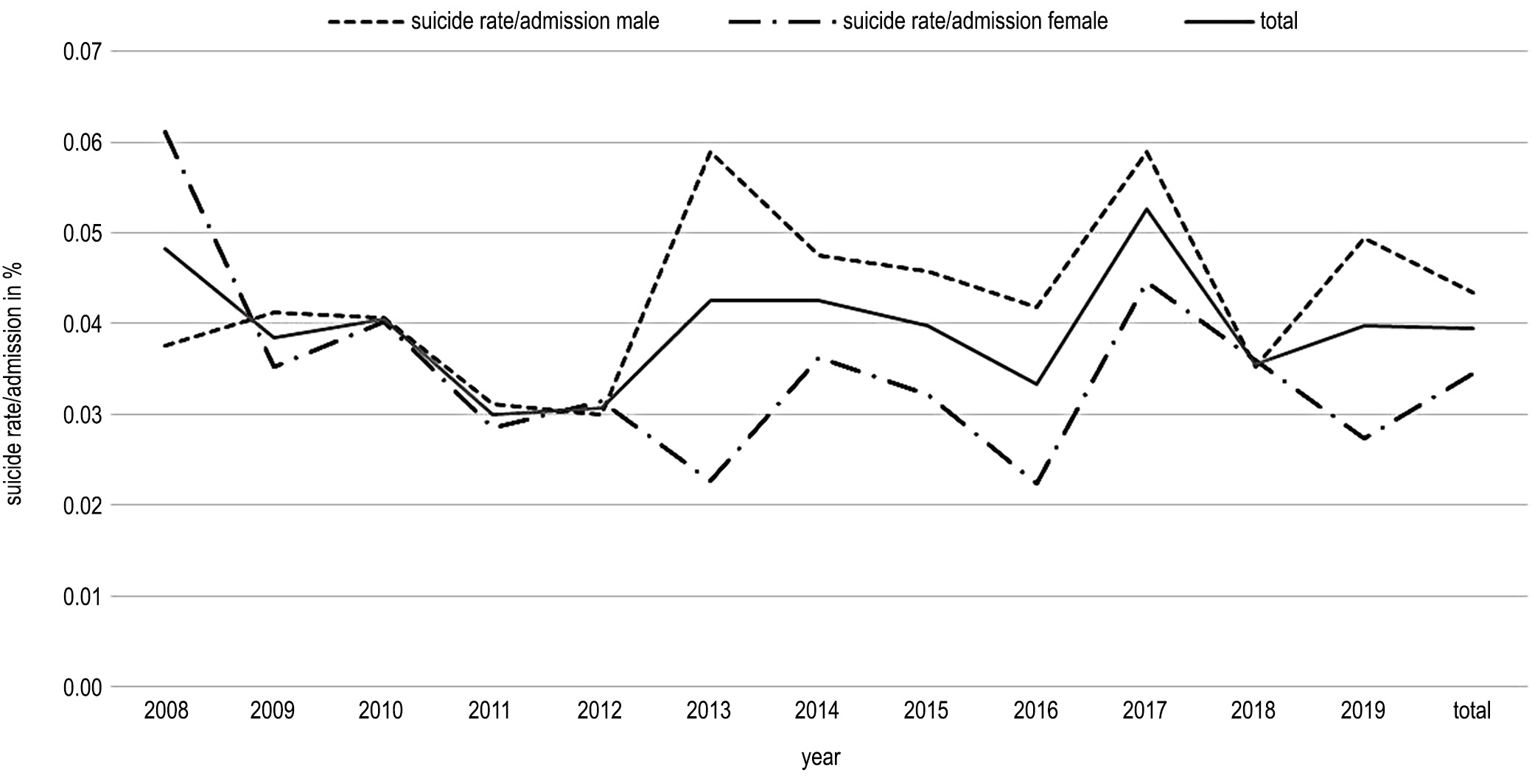
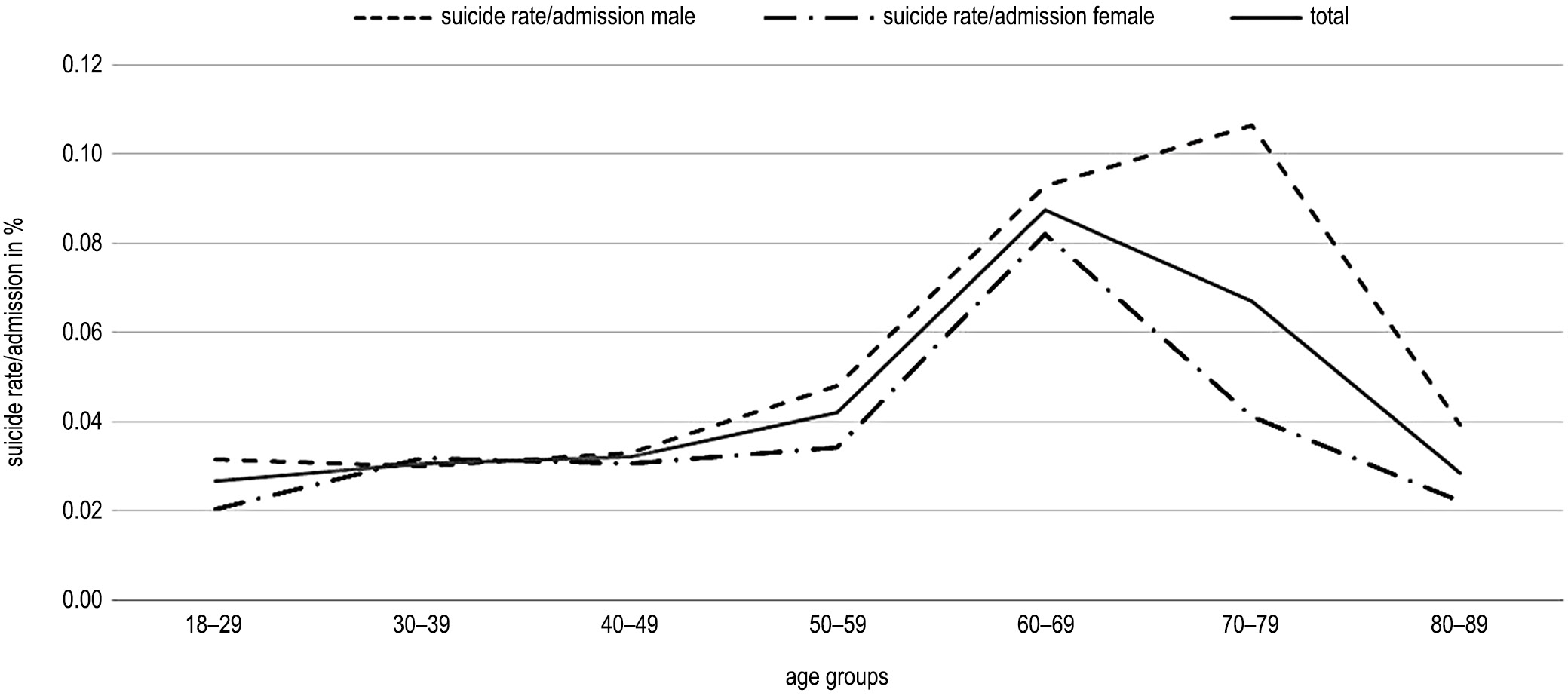
From 2008 to 2019, a total of 580,047 patients were treated across all hospitals under investigation. Based on the 229 registered suicides in this period, the overall suicide rate was 39.50 per 100,000 admissions (0.04%). The suicide rate per admission for men was higher than that for women in all years except for 2008. The overall suicide rate was 43.4 per 100,000 admissions (0.04%) for men and 34.5 per 100,000 admissions for women (0.03%; Figure 1 and Supplementary Table 2). Among men, the total number of suicides was highest in 2013 (n = 16) and 2017 (n = 17). For women, the total number was highest in 2008 (n = 12) and 2017 (n = 10). Age stratification revealed that the suicide rate per admission significantly increased among men aged 60–69 and ≥70 years, and among women aged 60–69 years (Figure 2).
Inpatient suicide stratified by age
Sex
In the sample studied, the sex ratio was 1.6:1 (140 men/
89 women). In the period from 2008 to 2019, more men (54.3%) were admitted. While the sample did not differ significantly with regard to sex, overall, more men died by suicide. Of all hospitalized women and men, 0.03% and 0.04% died by suicide, respectively. Of note, in the 60–69-year age group, as many women as men died by suicide.
Diagnosis
Diagnoses were documented in 227 cases. Most patients (n = 141; 62.1%) suffered from affective disorders. The 2nd most common diagnosis was a psychotic disorder (n = 65; 28.6%). Addiction (n = 12; 5.3%), anxiety (n = 6; 2.6%), and other diagnoses (n = 3) accounted for only a small proportion (Table 1). Age stratification showed a significant difference regarding diagnosis (Table 2). Post hoc tests showed that the youngest and the oldest age groups differed from the other age groups. Addiction and psychotic disorders were significantly more prevalent in the youngest age group, while affective disorders were the most prevalent diagnosis in the oldest age group.
Suicide method
Hanging (n = 76; 33.2%) was the most common suicide method, followed by railway suicide (n = 40; 17.5%) and a fall from a great height (n = 34; 14.8%). In the age groups over 40 years, hanging was the most common suicide method, whereas in the age groups under 40 years, railway suicide was the most common suicide method. Seventeen (7.4%) patients died by jumping from a bridge and 16 (7.0%) by intoxication with drugs/alcohol or medication. Six patients died by drowning. Age stratification showed a significant difference regarding suicide method. However, the post hoc test revealed no significant differences when comparing each age group individually.
Location
The location of suicide was categorized as on the ward (n = 38; 17.1%), on hospital grounds (n = 6; 2.7%), at home (n = 56; 25.2%), near the person’s home (n = 5; 2.3%), at the parents’ home (n = 6; 2.7%), at the life partner’s home (n = 1; 0.5%), and outside the hospital environment or home (n = 110; 49.5%). Age stratification showed no significant difference in location. The distribution of locations showed significant differences between the daycare unit and the inpatient unit. This can be explained by the fact that suicides on the wards or on hospital grounds were not recorded in the daycare units.
Possible stressors
In 105 cases, the physicians retrospectively discussed possible stressors with a consultant. Age stratification showed a significant difference in stressors. Psychotic symptoms were the most common stressor (n = 21; 20%); the proportion diminished with increasing age. In the 30–39-year age group, psychotic symptoms were assumed to be a possible stressor in half of the cases. By contrast, physical complaints and pain increased with increasing age (n = 16; 15.2%). Among patients aged 70 years and older, this was the assumed stress factor in 50% of cases. Post hoc tests revealed significant differences with regard to stressors when the 30–39-year age group and the oldest age groups were compared with all other age groups. In 16 cases (15.2%), partnership conflicts were discussed as possible stressors and played a major role, especially among patients aged 40–59 years. In 15 cases (14.3%), family conflicts were discussed as possible stress factors; 12 of these patients were aged 40–69 years. Mental health problems were assumed in 11 cases and social problems in 10 cases (for a detailed description of stressors by year and age, see Supplementary Table 3).
Medication
A total of 144 patients (67.3%) were prescribed at least 1 antidepressant; the percentage of patients taking antidepressants increased across the various age groups up to the 60–69-year age group and then decreased in the oldest age group. Antidepressant use differed significantly between age groups. The post hoc test showed that the 60–69-year age group differed significantly from the others. One hundred forty patients (66.0%) were prescribed at least 1 tranquilizer. The use of tranquilizers was high across all age groups and varied from 51.2 to 75.7%; there was no significant difference across all age groups. One hundred twenty-two patients (57.3%) were prescribed at least 1 antipsychotic drug; there was no significant difference across the various age groups. Eighty-two patients (38.6%) were prescribed Z-drugs; age stratification showed a significant difference. The post hoc test revealed that patients in the oldest age group were prescribed significantly more Z-drugs than those in the other age groups. Only 11 patients (5.2%) took lithium, of whom 5 had bipolar disorder and 6 had unipolar affective disorder. Sixty-eight patients (32.1%) received medication for indications other than psychiatric ones; the percentage increased with increasing age. The post hoc test revealed that, compared with patients in the other age groups, those aged 30–39 years were prescribed significantly less medication for other indications, while those aged 60–69 years were prescribed significantly more.
Differences between hospitals
When the distribution of various parameters (sex, age groups, diagnosis, antipsychotic drugs, antidepressants, weekday, and type of leave) was compared across hospitals, only the location (χ2(48; 222) = 87.369; p < 0.001; Cramér’s V = 0.256) showed a significant difference between hospitals, without this being linked to a specific location (see Supplementary Table 4).
Inpatient management
Type of leave
In 212 cases, the type of leave was documented. More than half of the patients were allowed to leave the ward for 1 day (n = 73; 34.4%) or on the weekend (n = 43; 20.2%); 31 (14.9%) patients were treated in daycare units. Forty-one patients (19.3%) were to remain on the ward. Only 23 (11.1%) patients left the ward without permission. In 17 cases, it was not documented whether the patients were allowed to leave the hospital.
Duration of hospitalization
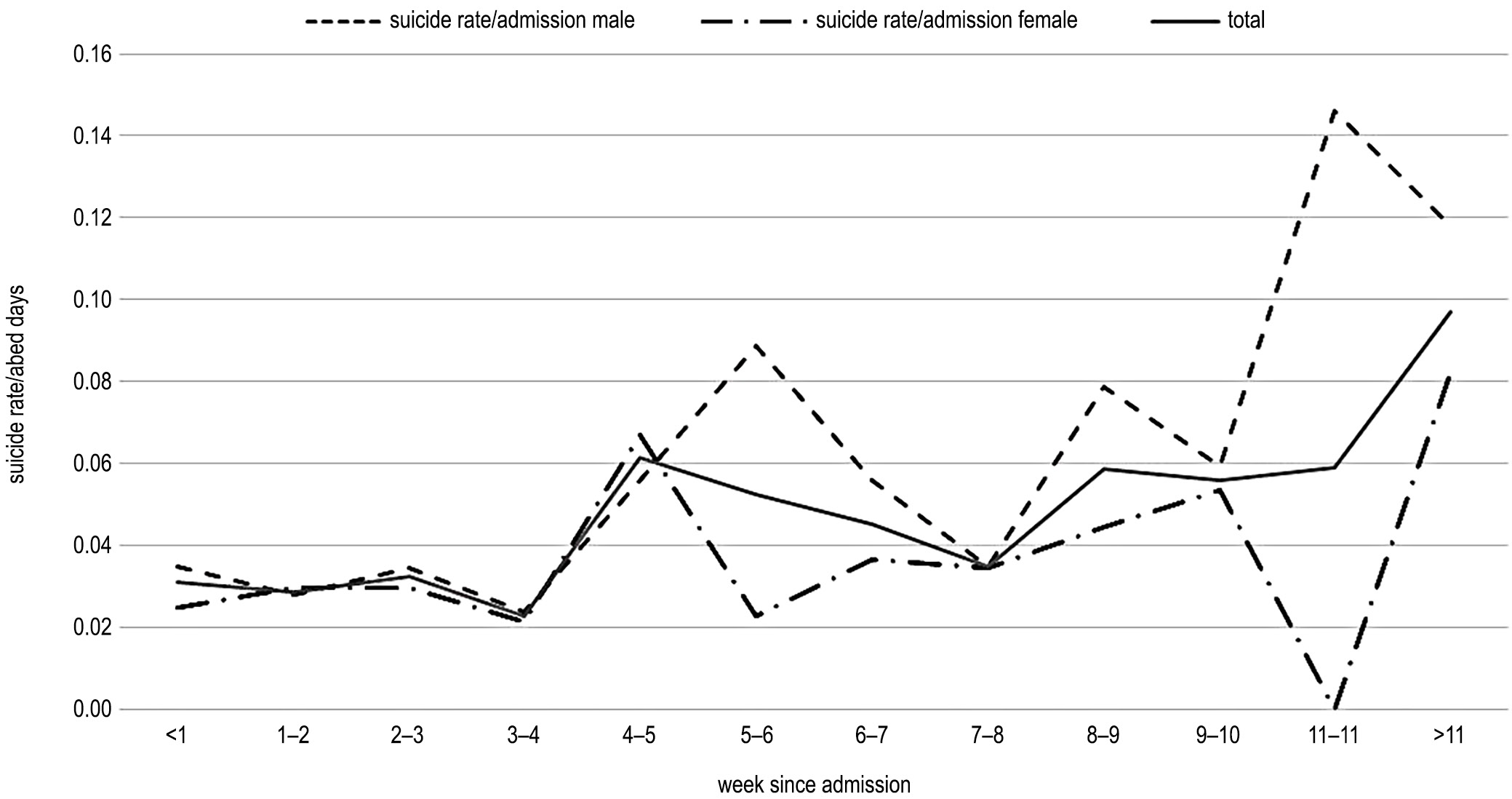
The duration of hospitalization was known for 225 subjects who died by suicide. The duration of hospitalization, measured in days, was not normally distributed (see Supplementary Table 1). In the 1st week of treatment, 39 men and 17 women died by suicide (24.3%). Of these, 8 patients (3.6%) died on the day of admission. More than half of the suicides within the first week occurred on the ward (n = 20; 36.4%) or outside the hospital environment (n = 21; 38.2%). In the 1st month of hospitalization, more than half of the patients died (52.1%). The suicide rate by duration of hospitalization (i.e., the number of patients who died in week x divided by the total number of patients treated for x weeks) increased after the 1st month of treatment, reaching its peak in week 11 (Figure 3).
Weekday
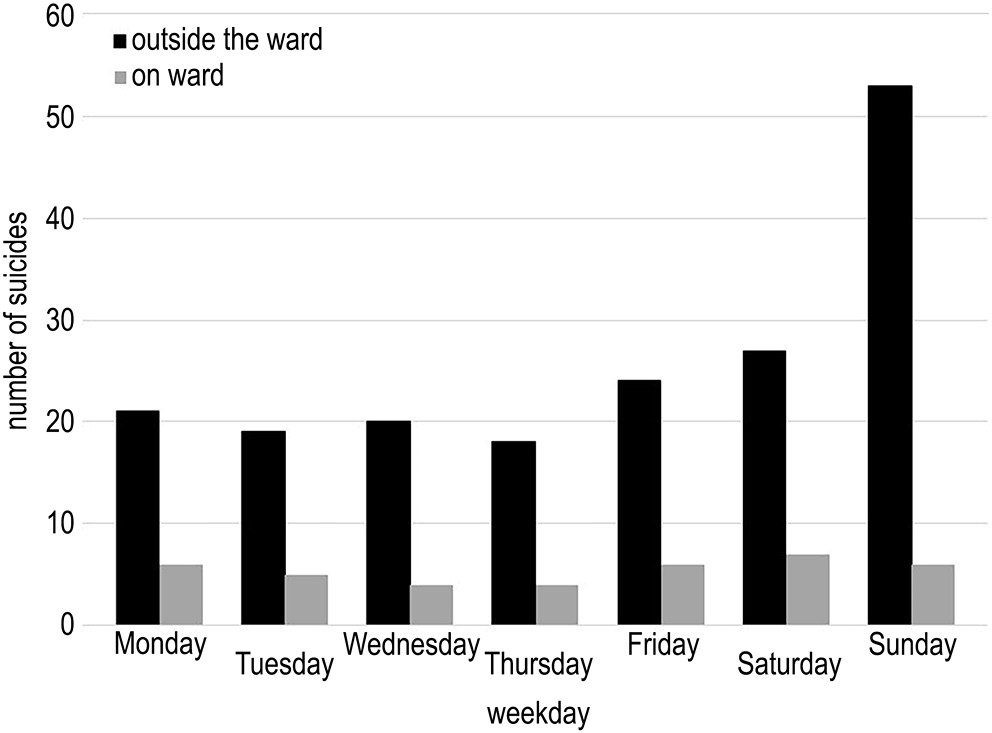
Fifty-nine (26.8%) patients died on Sundays and 34 (15.5%) on Saturdays (Figure 4). If suicides on the ward were not included in the calculation, the percentage of suicides on weekends increased to 43.9%. Age stratification showed no significant difference. The distribution of suicides by day of the week showed no significant differences between daycare patients and inpatients.
Suicides on the ward
A total of 38 patients died on the ward. Of these, 25 were male (65.8%), and 13 were female (the mean age was 47.1 years; SD: 16.46). The most common suicide method was hanging (n = 34; 89.5%). Patients often used their belts, which they fastened to doorknobs, towel rails in the bathroom, or radiators. Two patients died from self-inflicted injuries, while another died from lethal intoxication with alcohol. No approved periods of leave were documented for any of the patients. More than half of the patients (n = 21; 55.3%) died during the first 7 days. Twenty-four patients (63.2%) were treated for a depressive episode. In 17 (44.7%) cases, a possible stressor was speculated. Of these, 6 patients may have died by suicide due to psychotic triggers.
Discussion
The aim of this retrospective analysis was to evaluate changes in suicide rates over the years. From 2008 to 2019, the overall suicide rate ranged from 0.06% to 0.03% suicides/admission. Age-stratified analysis using the χ2 test revealed differences in terms of sex, suicide method, diagnosis, stressors, and medication. Special features of inpatient treatment were analyzed to derive clinical considerations. Descriptive analyses showed that more than half of the suicides occurred outside the hospital environment, on weekends, and when staff had approved a leave of absence.
Suicide rates by year
From 2008 to 2019, the overall suicide rate was 39.50 per 100,000 admissions (0.04%). The suicide rate per admission for men was higher than that for women in all years except for 2008. The overall suicide rate was 43.4 per 100,000 admissions (0.04%) for men and 34.5 per 100,000 admissions for women (0.03%; Figure 1). The suicide rate was highest in 2017 (0.05%). In this study, the overall suicide rate seemed stable throughout a decade, and no decrease was observed. These results are in contrast to others.18, 19, 20 The meta-analysis by Walsh et al.4 even revealed an increase in hospital suicide rates over the last 3 decades. There is controversy over whether a reduction in hospital beds is associated with an increase in inpatient suicide rates.20, 21
Age differences
A systematic review showed that several studies demonstrated an increased risk of suicide in men compared to women.22 In contrast, a meta-analysis found no significantly increased risk for men.23 In the 2 largest studies cited in the review, with samples of 27924 and 22225 suicides, about 60% of the patients were male, a proportion similar to that in this sample. The risk estimates were 2.58 and 1.49. In both studies, there was no age stratification with regard to sex.24, 25 A nonsignificant result in other studies could be due to different age groups. Our study shows that the proportion of women who died by suicide increased in the 60–69-year age group compared to that of men. Neither Neuner et al.8 nor Powell et al.26 identified male sex as a risk factor. The mean ages of their samples were several years higher than the mean age of the sample studied by Hunt et al.25 A meta-analysis revealed that both affective disorders and schizophrenia are risk factors for inpatient suicide with odds ratios (ORs) of 1.93 and 2.48, respectively.23 Most patients were diagnosed with a depressive disorder, followed in frequency by a psychotic disorder, which is in line with findings from other studies.24, 27, 28 In another study, however, more patients with schizophrenia died by suicide, maybe because the mean age was 35.4 years.29 Another reason could be that this is an older study. Wolfersdorf et al. reported a shift in diagnoses in the 1990s.18 Our results show that younger patients were more likely to suffer from psychotic disorders, whereas older patients were more likely to suffer from a depressive disorder. These results were confirmed by the post hoc tests. Only 12 patients were diagnosed with a primary substance use disorder. However, there is still an increased risk of suicide due to addiction, especially in cases of comorbid affective or psychotic disorders.30
Antidepressant intake is a risk factor for inpatient suicide, whereas antipsychotic drug intake is not a significant risk factor.23 Our results show that a high proportion received both antidepressant and antipsychotic medication and that tranquilizers were prescribed for 2/3 of patients. This could indicate that the patients had more severe or even therapy-resistant depressive or psychotic symptoms. The frequent prescription of tranquilizers could also indicate that the patients often showed anxious and agitated psychopathology. Both treatment-resistant8 and anxious/agitated symptoms23 are discussed as risk factors for suicide. Of note, only a few patients in this population received lithium, although lithium has been shown to have an anti-suicidal effect.31, 32 With increasing age, the prescription of Z-drugs increased in this sample. A large longitudinal case-control cohort study of late-life suicide showed that poor subjective sleep quality is associated with an increased risk of death by suicide 10 years later.33
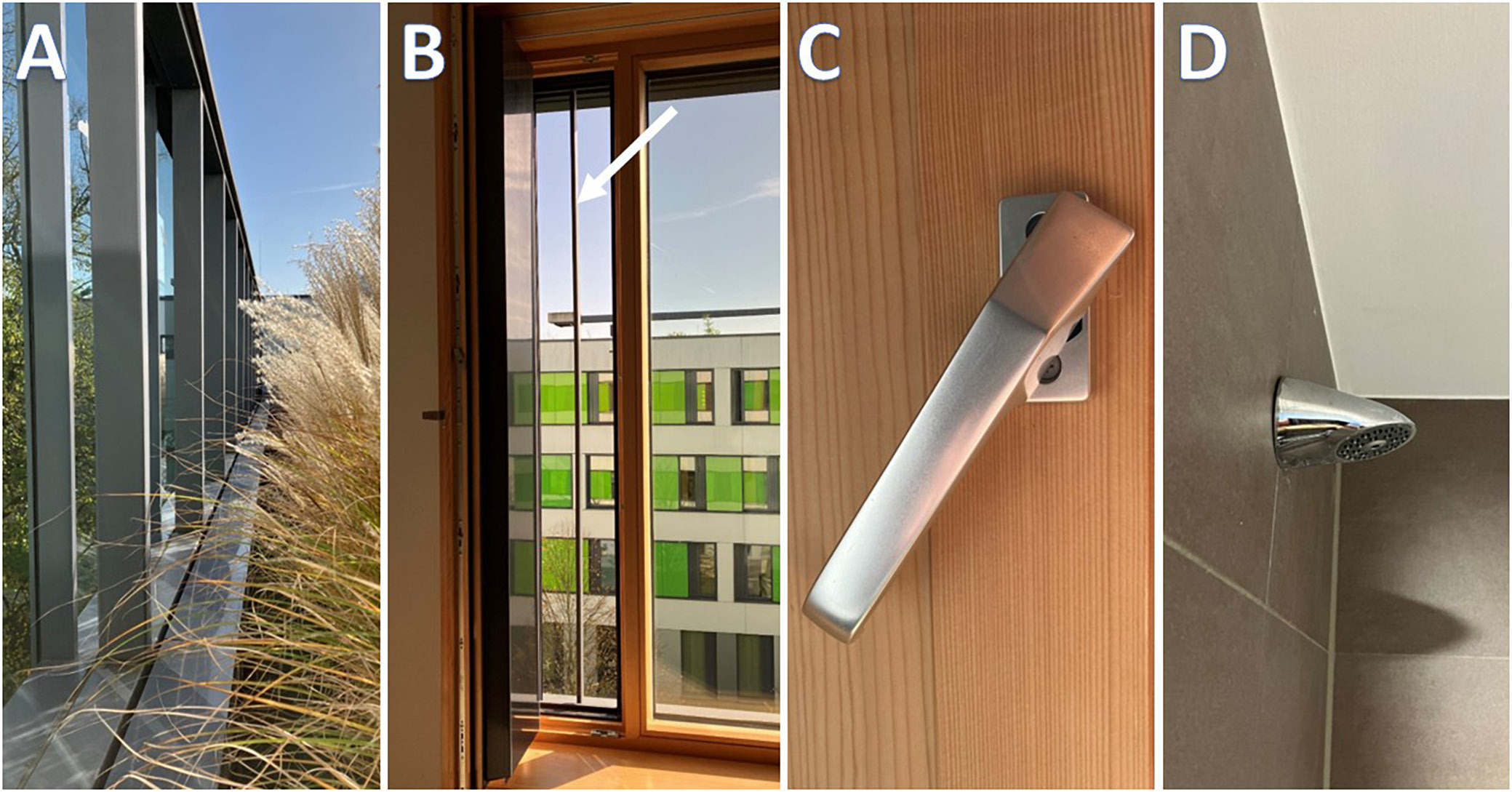
Hanging is the most frequently reported suicide method,34 followed by intoxication or jumping from a great height/in front of a moving vehicle.24, 25, 34 In our analysis, hanging was the most common suicide method, followed by railway suicide and jumping from a great height. We also included the subcategory of railway suicides, as this method of suicide was particularly prevalent among younger age groups, whereas hanging was the most common suicide method in older age groups. Particular attention must be given to the patients who died on the ward. Here, hanging (89.5%) was clearly the predominant suicide method, which underlines the importance of preventive room equipment and hospital design.19, 34, 35 Although our data are descriptive in nature, studies by others have demonstrated that preventive construction can reduce suicide rates.34, 35 Figure 5 shows examples of suicide-preventive structures. In 53.8% of those cases, a door, door handle, or door hinge was used as a ligature fixation point.34 A meta-analysis on lethality showed that hanging was the 2nd most lethal suicide method after the use of firearms.36 Schmidtke et al. reported a tendency toward more lethal suicide methods in old age compared with the 1980s, with more women dying by jumping from a height and more men dying by suicide using firearms. The predominant suicide method was hanging, which did not change over time.37 In accordance with this study, only a few patients died by intoxication. For the younger age groups, railway suicide was the most common suicide method. After the suicide of the famous German football player Robert Enke, an increase in railway suicides was observed in Germany.38, 39 Special safety construction for railway tracks seems to have political implications, particularly with regard to suicide prevention.35, 40 Risk factors for inpatient railway suicides were a change of therapist, suicidal ideation, a negative or unchanged therapeutic course, and the need for polypharmaceutical treatment.41
In 105 cases, a possible stressor was retrospectively assumed. For young patients, psychotic symptoms were the most important stressor in this sample, whereas physical complaints and pain were the most important stressor for the older population. In accordance with our results, chronic physical disease and subjective health status were risk factors for suicidal ideation in the population aged 60 years and older.42, 43, 44, 45 Partnership and family conflicts were the most relevant stressors for the middle age groups. Waern et al. showed that family conflict, serious physical illness, loneliness, and both major and minor depression were associated with suicide in seniors aged 75 years and older.46 Bowers et al. revealed that the location and time of suicide were associated with the absence of support and supervision and with the presence of family conflict.47 They underscored the importance of addressing family conflicts as part of the therapeutic process and of preventing the isolation of patients behind closed doors. Furthermore, treatment of somatic comorbidities and pain should be integrated into psychiatric treatment.48
Inpatient management
Two important aspects for inpatient treatment can be derived from this retrospective analysis. First, 24.3% of suicides occurred within the 1st week of treatment. In the 1st month of treatment, 52.3% of patients died, which is in accordance with findings from other studies.25 Second, almost half of the patients died by suicide on weekends (42.3%). Of the 229 suicides, 110 suicides happened outside the hospital environment or home, 56 happened at the patient’s home, and 38 on the ward. Only 17 patients left the ward without approval. However, the suicide rate by duration of hospitalization increased after the 1st month of treatment, which may highlight the severity of the underlying mental illness, resulting in a longer hospitalization period and potential therapy resistance. Despite the descriptive nature of the analysis, patients should be carefully monitored, and approved periods of leave should be considered with caution.23, 25 In addition, patients with psychotic symptoms are especially endangered.24
Limitations of the study
Several limitations must be considered in this retrospective data analysis. The protocol sheets under investigation covered only a few clinical parameters. As mentioned, possible stressors which may have influenced the suicidal act were discussed and documented only in retrospect as part of a supervision measure for the treating physicians. However, given that a suicide represents a serious critical incident and that supervision normally takes place within 2 weeks following a suicide and includes a review of the medical record, memory lapses seem unlikely. Although the exact time of the suicide would also be of interest, data were shown to be highly inconsistent, since in many cases a precise time of death could not be determined. It is very difficult to find suitable control groups for studies on suicide. Here, we only present case studies. As data on bed days spent on weekends for all patients and denominators for diagnoses were unavailable, the results remain descriptive. Nine hospitals were included in this analysis. These hospitals may differ in various areas, but our analysis showed that they did not differ significantly in terms of gender, age, diagnosis, medication, or day of the week. Only location showed a significant difference between hospitals, though this was not linked to a specific location. Data on possible stressors were incomplete. However, the inclusion of 9 hospitals enabled us to gather information on 229 suicides. Daycare involves daily community exposure, which could affect comparability between daycare patients and inpatients. For this reason, special consideration was given to these patients with regard to leave policies.
Conclusions
The overall suicide rate among inpatients did not decrease over a decade in this population. Thus, preventive measures to protect psychiatric inpatients from suicide attempts remain highly relevant. Differences in possible stressors, diagnoses, and methods of suicide were depicted between the age groups. Age stratification gives important insights into differences in inpatient suicides. In the younger age groups, railway suicide was the most common suicide method, whereas hanging was the most common suicide method in the older age groups. Most patients suffered from affective disorders; the proportion increased with increasing age. Potential stressors were physical complaints and pain. Suicides often occurred on weekends and during approved periods of leave outside the patient’s familiar environment. Therefore, approved periods of leave should be carefully monitored.
Supplementary data
The supplementary materials are available at https://doi.org/10.5281/zenodo.18661145. The package contains the following files:
Supplementary Table 1. Results of the Kolmogorov–Smirnov test.
Supplementary Table 2. Number of admissions by year and age group.
Supplementary Table 3. Stressors in relation to year and hospital.
Supplementary Table 4. Distribution of locations across nine psychiatric hospitals.
Data Availability Statement
The datasets generated and/or analyzed during the current study are not publicly available due to ethical issues involving participants’ data and privacy but are available from the corresponding author on reasonable request.
Consent for publication of personal information
Not applicable.
Use of AI and AI-assisted technology
Not applicable.