Abstract
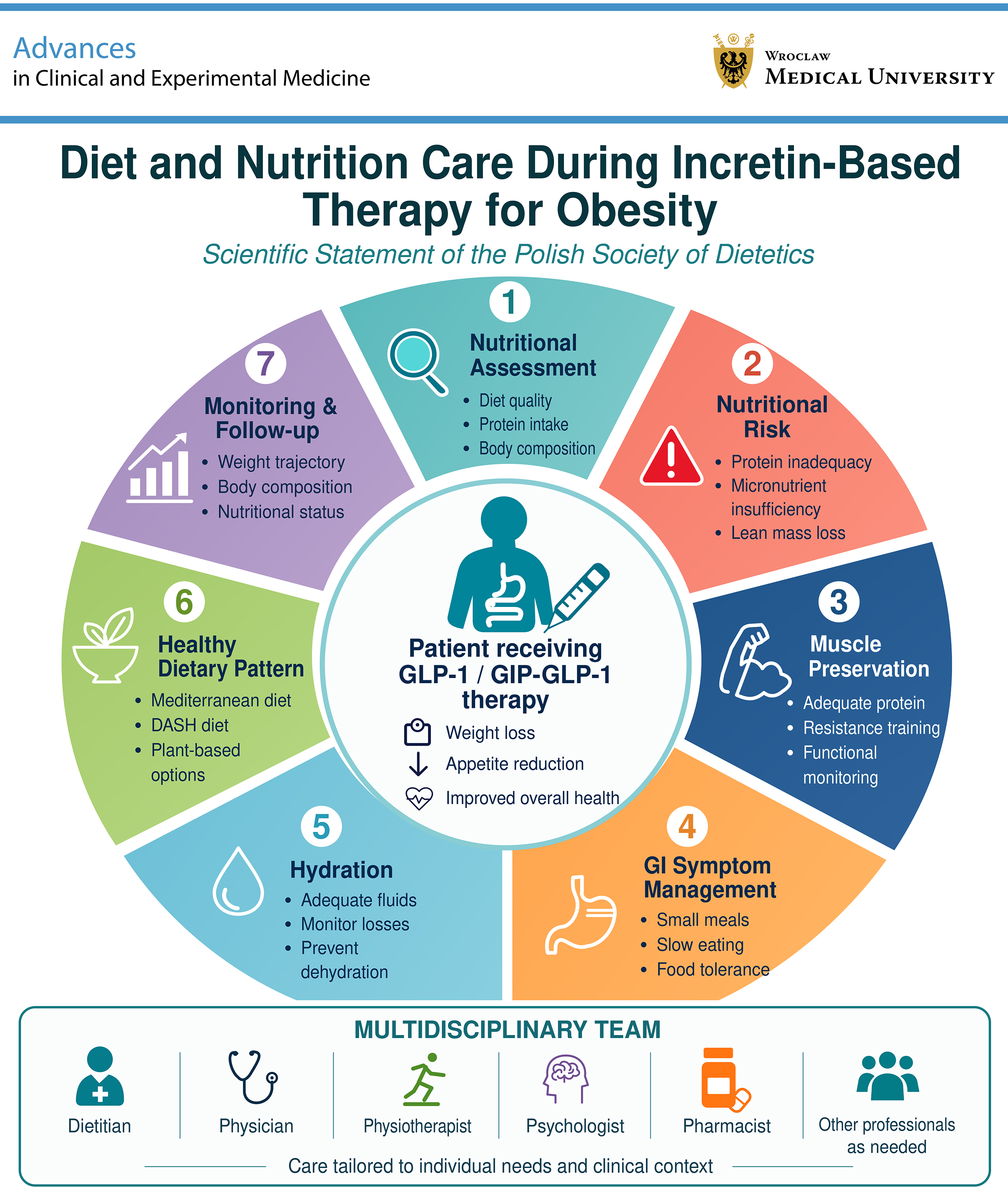
Incretin-based therapies, including glucagon-like peptide-1 receptor agonists (GLP-1 RAs) and dual GIP/GLP-1 receptor agonists, have transformed obesity treatment by producing substantial weight loss and improving cardiometabolic outcomes. However, their therapeutic effects are accompanied by nutritional challenges, including reduced energy intake, gastrointestinal adverse effects, loss of lean mass or fat-free mass, and the risk of inadequate protein and micronutrient intake. This scientific statement of the Polish Society of Dietetics (PTD) summarizes current evidence and provides clinical guidance on nutritional care during incretin-based therapy for obesity. The statements were developed through multidisciplinary expert synthesis and consensus; direct nutrition-specific evidence remains limited, and no formal evidence-grading system was applied. The main features of evidence-informed nutritional care during incretin-based therapy include: 1) structured baseline nutritional assessment and ongoing monitoring of dietary intake, appetite, gastrointestinal tolerance, and body composition; 2) early identification of nutritional risk, including inadequate protein intake, micronutrient insufficiency, dehydration, and excessive loss of lean mass or fat-free mass; 3) individualized dietary strategies supporting adequate nutrient intake and treatment tolerance; 4) preservation of lean mass and muscle function through appropriate protein intake and regular resistance exercise; 5) use of Mediterranean, Dietary Approaches to Stop Hypertension (DASH), or appropriately planned plant-based dietary patterns adapted to individual clinical needs; 6) targeted rather than routine nutritional supplementation based on documented deficiency or increased clinical risk; and 7) integration of registered dietitians within multidisciplinary obesity care pathways. Future research should evaluate the effects of structured dietitian-led interventions on body composition, nutritional status, treatment adherence, and long-term clinical outcomes during incretin-based therapy.
Key words: dietitians, obesity, GLP-1 receptor agonists, nutrition therapy, incretin-based therapy
Introduction
Incretin-based therapies, including glucagon-like peptide-1 receptor agonists (GLP-1 RAs) and dual GIP/GLP-1 receptor agonists, have transformed the pharmacological management of obesity and type 2 diabetes mellitus. In randomized controlled trials (RCTs), these agents produce mean weight reductions of up to 20% in individuals with obesity or overweight with weight-related complications, with semaglutide and tirzepatide showing the greatest efficacy among the agents evaluated.1, 2 Beyond weight reduction, GLP-1 RA therapy is associated with significant improvements in cardiometabolic risk factors and, with semaglutide, a demonstrated reduction in major adverse cardiovascular events (MACEs) in individuals with established cardiovascular disease (CVD).3
The mechanisms underlying weight loss with incretin-based therapies include central appetite suppression, delayed gastric emptying, and enhanced satiety, leading to reduced energy intake and a sustained negative energy balance, as demonstrated in RCTs and mechanistic studies.4, 5 While these effects are central to therapeutic efficacy, they simultaneously create a clinically significant nutritional challenge. Substantial and rapid reductions in food intake may increase the risk of inadequate intake of protein, micronutrients, and dietary fiber.6 Additionally, a network meta-analysis of 22 RCTs (n = 2,258) demonstrated that lean mass loss accounts for approx. 25% of total weight loss with GLP-1 RAs, which may have implications for muscle function and increase the risk of sarcopenia and functional decline.7 Furthermore, appetite suppression associated with these therapies may lead to qualitative changes in dietary patterns, including reduced consumption of nutrient-dense foods and deterioration of overall diet quality, underscoring the need for structured dietary support throughout treatment.6 Registered dietitians play a central role in optimizing nutritional outcomes, preventing deficiencies, and supporting sustainable dietary behavior change in patients receiving incretin-based therapies. The STEP trials incorporated structured lifestyle interventions, including regular dietary counseling delivered by dietitians or similarly qualified healthcare professionals, underscoring the importance of multidisciplinary care in patients receiving incretin-based therapies.8, 9 However, direct evidence on nutrition-specific management, micronutrient monitoring, and supplementation during incretin-based therapy remains limited. This scientific statement was therefore developed to synthesize the available evidence and identify areas of uncertainty.
Objectives
This scientific statement from the Polish Society of Dietetics (PTD) aims to synthesize current evidence on nutritional assessment, dietary management, micronutrient supplementation, and the practical implementation of dietitian-led care in adults with obesity receiving incretin-based therapies, which are defined for the purposes of this statement as GLP-1 receptor agonists and dual GIP/GLP-1 receptor agonists. For each domain, we interpret the available evidence from RCTs, meta-analyses, and clinical guidelines of leading international societies, with an emphasis on the highest levels of evidence, and highlight areas where further research is needed. The statement is intended to support dietitians, physicians, nurses, and allied health professionals in delivering safe, effective, and individualized nutritional care to this rapidly growing patient population. It was developed by a multidisciplinary expert group of 12 professionals with expertise in clinical dietetics, obesity care, clinical nutrition, and health promotion. Collectively, the authors bring extensive clinical and/or research experience in obesity management, nutrition, and public health. The statements presented in this document reflect expert synthesis and interpretation of the currently available evidence. All members of the expert group reviewed the draft statements and supporting explanations iteratively. Comments were discussed and incorporated until consensus was reached. The final statements were then submitted for an electronic vote, and all members of the expert group approved them. In areas where direct nutrition-specific evidence in patients treated with incretin-based therapies was limited, the group also considered high-quality indirect evidence, clinical guidelines, and relevant expert consensus documents, while maintaining an emphasis on the hierarchy of evidence and clearly acknowledging domains of greater uncertainty. Given the nature of the document as a scientific statement, the statements represent expert consensus rather than formally graded clinical recommendations; consequently, no formal grading system for evidence quality or recommendation strength was applied.
Nutritional assessment and dietary monitoring
Statement 1: Before initiation of incretin-based therapy, structured nutritional assessment represents an important component of comprehensive patient evaluation. Relevant domains include dietary intake, weight history, meal patterns, intake of protein-rich foods, fluid and fiber consumption, supplement and alcohol use, restrictive dietary practices, and eating-related behaviors.
GLP-1 receptor agonists and dual GIP/GLP-1 receptor agonists may reduce appetite and lower spontaneous energy intake, while changes in food choice or tolerance may further influence dietary adequacy despite clinically beneficial weight loss.10, 11, 12 Baseline evaluation provides a reference point for identifying patients with preexisting inadequate intake, restrictive eating patterns, low protein or fiber intake, insufficient hydration, or problematic eating-related behaviors, including emotional eating or binge-eating symptoms. This information can help individualize follow-up and distinguish expected appetite suppression from clinically relevant nutritional deterioration. Baseline evaluation also provides an opportunity to consider nutritional status and malnutrition risk alongside recent unintentional weight loss, markedly reduced food intake, diet quality, habitual protein intake, muscle strength and physical performance, frailty, and features suggestive of sarcopenic obesity.13 Because body weight and body mass index (BMI) do not adequately reflect dietary adequacy or muscle reserves, suspected low muscle reserves or sarcopenic obesity may warrant further assessment of muscle function and, where feasible, body composition.14, 15, 16 These findings may inform the intensity of dietetic support and nutritional follow-up during therapy.
Statement 2: During incretin-based therapy, monitoring of hunger, appetite, desire to eat, satiety, meal frequency, skipped meals, food aversions, and gastrointestinal tolerance provides clinically relevant information regarding dietary adequacy and treatment tolerance. Visual analogue scales (VAS) can be useful for quantifying subjective motivation to eat; however, they can complement rather than replace dietary assessment and clinical judgment.
Incretin-based pharmacotherapy may affect several appetite-related domains differently; therefore, distinguishing physiological hunger, desire to eat, and fullness can improve clinical interpretation of treatment response. Visual analogue scales can help quantify subjective eating motivation, but they support rather than replace dietary assessment and clinical judgment.17 Gastrointestinal symptoms, including nausea, vomiting, constipation, diarrhea, dyspepsia, abdominal discomfort, bloating and early satiety, may reduce meal volume, limit intake of protein-containing foods, compromise hydration, or lead to excessive fiber restriction.17 Their nutritional consequences should therefore be evaluated together with symptom severity.
Statement 3: Body weight during incretin-based therapy is best interpreted in the context of the rate of weight loss and waist circumference, with body composition and functional indicators considered where available. Assessing energy, protein, fluid, and fiber intake, along with selected biochemical parameters and alarm signs, may support early identification of inadequate intake, dehydration, micronutrient deficiency, or emerging malnutrition.
Weight reduction during incretin-based therapy primarily reflects loss of fat mass, but some patients may also lose lean mass or fat-free mass, depending on the assessment method, particularly with rapid weight loss, inadequate protein intake, or low physical activity.7, 18 Waist circumference may provide additional information on changes in central adiposity and cardiometabolic risk. Where feasible, dual-energy X-ray absorptiometry (DXA) represents a reference method for assessing fat mass and lean mass, while bioelectrical impedance analysis (BIA) can serve as a more accessible adjunct for repeated monitoring, with interpretation adjusted for hydration status and clinical context.19 During rapid weight loss, changes in hydration status and glycogen stores, together with method-specific measurement variability, may affect estimates of fat-free mass. Serial measurements may therefore be more informative when obtained under comparable conditions and interpreted alongside changes in muscle strength and physical performance. Functional indicators, such as reduced strength, fatigue, or lower physical performance, require separate clinical interpretation.
Emerging observational data suggest that patients using GLP-1 receptor agonists may not meet recommended intakes of protein, fiber, and selected micronutrients, supporting individualized dietary assessment rather than routine supplementation.13 Albumin and prealbumin are not suitable as standalone markers of nutritional status, as they primarily reflect inflammation and disease severity.20 Alarm signs include rapid weight loss, persistent vomiting, dehydration, markedly reduced oral intake, fatigue, hair loss, reduced strength, or suspected micronutrient deficiency.
Nutritional risk during incretin-based therapy
Statement 4: Patients treated with incretin-based therapies appear to be at increased nutritional risk, including inadequate energy and protein intake, deterioration in diet quality, micronutrient insufficiency, and loss of lean mass, particularly in the setting of rapid weight loss, gastrointestinal adverse effects, older age, and coexisting medical conditions.
Incretin-based therapies may increase nutritional risk by markedly reducing spontaneous energy intake. In an RCT, oral semaglutide 50 mg reduced ad libitum energy intake by 39.2 percentage points vs placebo after 20 weeks of treatment, while also reducing hunger, increasing satiety, and improving control of eating.21 This effect represents one of the principal mechanisms underlying treatment efficacy. However, reduced intake may occur before adequate adjustments are made to diet quality, meal structure, and nutrient provision.
This risk is not solely quantitative but also qualitative. A cross-sectional study of individuals using GLP-1 receptor agonists identified inadequate intakes of fiber, calcium, iron, magnesium, potassium, choline, and vitamins A, C, D, and E. At the same time, participants did not meet recommended intakes of fruit, vegetables, grains, or dairy products. Importantly, protein intake expressed as a percentage of total energy may appear acceptable, whereas when expressed in g/kg/day, it may prove insufficient in the context of weight loss and preservation of lean mass.22 Consequently, dietary macronutrient distribution may appear superficially adequate despite failure to meet physiological requirements during weight reduction therapy. This phenomenon may be further aggravated by nausea, early satiety, food aversions, and poor tolerance of larger meals.21, 22
A 2nd key dimension of nutritional risk is the loss of lean mass. In the SURMOUNT-1 substudy, approx. 75% of the weight lost consisted of fat mass and approx. 25% of lean mass.23 These findings indicate that weight reduction during incretin-based therapy, although metabolically beneficial, is not confined exclusively to adipose tissue. In older adults and individuals with low physical activity, limited muscle reserves, chronic comorbidities, or rapid weight loss, such loss may have greater clinical relevance and may increase the risk of functional decline. Nutritional risk during incretin-based therapy may therefore be understood as a multidimensional phenomenon resulting from the combined effects of reduced energy intake, potentially insufficient protein and micronutrient intake, and concurrent loss of lean mass.21, 22, 23
Core principles of nutritional management
Statement 5: Medical nutrition therapy during incretin-based pharmacotherapy aims to support adequate nutrient intake, preserve nutritional status and lean mass, minimize treatment-related gastrointestinal adverse effects, and promote sustainable dietary patterns that support long-term weight maintenance after treatment discontinuation.
During incretin-based pharmacotherapy, reduced energy intake may compromise overall nutrient adequacy or diet quality. Although appetite suppression contributes substantially to treatment efficacy, excessive reductions in food intake may increase the risk of inadequate protein, vitamin, mineral, and dietary fiber, particularly in individuals with poor dietary quality before treatment initiation or pronounced gastrointestinal adverse effects.6, 22, 24, 25 Structured dietary counseling formed part of the intensive behavioral intervention used alongside semaglutide in the STEP 3 trial. Recent multidisciplinary guidance from EASO, EFAD, and ECPO (EASO – European Association for the Study of Obesity; EFAD – European Federation of the Associations of Dietitians; ECPO – European Coalition for People Living with Obesity), together with the joint Advisory from the American College of Lifestyle Medicine (ACLM), the American Society for Nutrition (ASN), the Obesity Medicine Association (OMA), and The Obesity Society (TOS), further emphasizes the role of medical nutrition therapy in supporting nutritional adequacy, gastrointestinal tolerance, preservation of lean mass and physical function, and sustainable weight management.9, 26, 27
Statement 6: Preserving muscle mass and physical function is an important component of nutritional management during incretin-based therapy. Adequate protein and energy intake, combined with regular resistance training adapted to the patient’s functional capacity, may help attenuate loss of lean mass during treatment. Assessing body composition and muscle function may add clinical value, particularly in individuals at increased risk of sarcopenia or rapid weight loss.
Weight loss during incretin-based therapy primarily reflects reductions in fat mass but also includes clinically relevant loss of lean mass, particularly in older adults, physically inactive individuals, patients with rapid weight loss, and those with inadequate protein intake.28 For this reason, muscle mass preservation is better understood as an integral component of nutritional safety rather than a secondary goal. A joint 2025 Advisory from the ACLM, ASN, OMA, and TOS emphasized the importance of baseline and periodic assessment of muscle strength, functional status, and body composition, together with adequate protein intake and resistance training strategies.27
Direct interventional data in patients receiving incretin-based therapies remain limited; therefore, most practical strategies are based on indirect evidence. A meta-analysis by Hudson et al. showed that protein intake above the Recommended Dietary Allowance (RDA) has a beneficial effect on preserving lean mass during energy restriction, with a more pronounced effect in the presence of an anabolic stimulus such as resistance training.29 Evidence from RCTs and meta-analyses in adults with overweight or obesity undergoing weight loss further suggests that protein intakes above the RDA may help preserve body-composition outcomes reported as muscle mass, lean mass, or fat-free mass, depending on the study, particularly when combined with resistance exercise.30, 31, 32, 33 Similarly, a meta-analysis by Sardeli et al. found that resistance training performed 3 times per week substantially attenuated lean body mass loss induced by caloric restriction in obese older adults, without compromising fat mass reduction.34
On this basis, the most rational approach includes adequate, individualized protein intake, avoiding excessive energy deficit, and implementing resistance training in parallel. Protein intake targets proposed during active weight loss generally exceed the RDA; however, these proposed targets remain based largely on expert opinion and indirect evidence rather than large RCTs conducted specifically in patients receiving incretin-based therapies.29, 30 During active weight loss in adults with overweight or obesity, protein intakes of approx. 1.2–1.5 g/kg/day, calculated using adjusted body weight, have been proposed to support preservation of muscle mass or lean mass.30, 35 This approach is broadly consistent with recent expert documents, including the EASO–EFAD–ECPO consensus statement and the joint North American Advisory, which similarly support higher, individualized protein intakes during active weight loss.26, 27 The preferred body weight denominator has not been established during incretin-based therapy and remains an important evidence gap.35, 36 Calculation based on actual body weight may substantially overestimate absolute protein targets in severe obesity. In the absence of reliable body composition measurements, adjusted body weight may provide a pragmatic, although approximate, reference and may be calculated as the body weight corresponding to a BMI of 25 kg/m2 plus 33% of the difference between actual and reference body weight.37 Where reliable body-composition measurements are available, fat-free mass may further support individualization, although no fat-free-mass-based target has been validated in this setting.35, 38 Protein intake requires individualization according to age, kidney function, frailty and sarcopenia risk, comorbidities, baseline nutritional status and muscle reserves, physical activity, dietary tolerance, and the degree and duration of energy restriction.
Statement 7: In patients experiencing early satiety or reduced appetite during incretin-based therapy, nutritional management focuses on nutrient-dense foods, adequate protein intake, smaller and more frequent meals, and energy-dense foods with lower meal volume. Liquid or semi-liquid foods, together with protein supplementation, may provide additional support when oral intake is insufficient or tolerance of solid foods is limited.
Nutritional strategies proposed for patients receiving incretin-based therapies emphasize nutrient-dense foods that provide adequate protein, fiber, calcium, iron, magnesium, potassium, and vitamins A, C, D, E, and K.12, 22 Dietary approaches commonly prioritize minimally processed foods, including fruits, vegetables, whole grains, nuts, legumes, and sources of unsaturated fatty acids, while limiting sodium, saturated fats, refined carbohydrates, sugar-sweetened beverages, and highly processed foods.22, 39, 40
Among individuals experiencing early satiety, smaller and more frequent meals may help support adequate overall intake.22, 27 Lean poultry, fish, eggs, dairy products, and soy foods represent practical high-quality protein sources, while protein supplementation may be considered when habitual dietary intake remains insufficient.12, 41 These dietary strategies are currently supported predominantly by expert consensus and indirect evidence, as direct RCTs evaluating nutritional interventions in patients receiving incretin-based therapies remain limited.
Foods rich in unsaturated fats, including avocado, olive oil, nuts, and seeds, may increase energy intake without substantially increasing meal volume and may therefore help patients with reduced appetite.42 In contrast, large amounts of low-energy-density, high-volume foods may contribute to early satiety and reduced overall caloric intake in some individuals. Although fruits and vegetables remain important sources of micronutrients and dietary fiber, their proportion within meals may require individual adjustment according to total energy intake and nutritional needs.12, 17
Liquid or semi-liquid foods, including shakes, smoothies, soups, yogurt, and protein drinks, may facilitate adequate nutritional intake in individuals with reduced appetite or limited tolerance for solid foods.27 Similarly, preparation methods such as steaming, baking, or boiling, together with lower-fiber vegetables and lean protein sources, may improve gastrointestinal tolerance during incretin-based therapy, although individual responses remain variable.17, 22, 27, 35
These dietary strategies are supported predominantly by expert consensus and indirect evidence, as RCTs evaluating the effects of specific food preparation methods on nutritional outcomes and gastrointestinal tolerance during incretin-based therapy remain limited.
Statement 8: Regular, smaller, mindful meals consumed at consistent times may improve gastrointestinal tolerance and support adequate nutritional intake during incretin-based therapy. Meal distribution requires individual adaptation according to nutritional needs, appetite, and treatment tolerance.
Small, frequent meals during incretin-based therapy are used primarily as a practical strategy to support adequate oral intake and gastrointestinal tolerance in selected patients, rather than as a weight-loss intervention per se; however, this approach is supported mainly by indirect evidence and clinical consensus rather than direct RCTs in patients receiving incretin-based therapies.43, 44 Gastrointestinal symptoms, particularly nausea, may worsen after prolonged fasting or poor meal tolerance; in clinical practice, smaller and more frequent meals are commonly used as a pragmatic strategy to improve tolerance, although this approach is supported mainly by expert consensus rather than direct RCTs.45, 46 More frequent meals may also facilitate more even protein distribution throughout the day, which, together with appropriately planned physical activity, may support preservation of lean mass.29 Regular eating patterns may support long-term dietary adherence, a major determinant of successful weight reduction and long-term weight maintenance. Greater adherence, together with higher diet quality, has been associated with greater reductions in body weight and BMI regardless of the specific dietary approach used.47, 48 Studies from weight control registries suggest that regular breakfast consumption and more consistent eating patterns are commonly observed among individuals who successfully maintain weight loss.49 Slower and more mindful eating may represent a pragmatic strategy to improve gastrointestinal tolerance during incretin-based therapy; however, this approach is supported mainly by indirect evidence and expert consensus rather than direct RCTs in this population.45, 50
Statement 9: Maintaining adequate hydration is an integral component of nutritional care during incretin-based therapy. Individualize fluid intake based on clinical status, gastrointestinal tolerance, physical activity, environmental conditions, comorbidities, and ongoing fluid losses. Persistent vomiting, diarrhea, markedly reduced oral intake, or increased dehydration risk may warrant reassessment of hydration status and further clinical management.
Incretin-based therapies may increase dehydration risk through gastrointestinal fluid losses and reduced oral intake associated with nausea, vomiting, diarrhea, early satiety, and gastric fullness.45, 51 This risk may be clinically more relevant in older adults and in patients with chronic kidney disease (CKD), heart failure, or persistent gastrointestinal symptoms. Direct evidence defining optimal fluid targets during incretin-based therapy remains limited; therefore, fluid intake is best adapted to current clinical status, symptom burden, and ongoing losses rather than based on a fixed incretin-specific target.52
Small, frequent sips of clear, non-carbonated, sugar-free fluids may be better tolerated than larger fluid volumes in individuals with nausea or reduced appetite, and some patients may tolerate fluids better between meals than with meals.45, 52 Water-rich foods, such as soups, yogurt, fruits, and vegetables, may contribute to overall hydration, although evidence specific to incretin-based therapy remains limited.45 Persistent vomiting or marked reduction in oral intake may require medical reassessment, and in selected cases intravenous hydration may be necessary.45
Alcohol, high-calorie beverages, and carbonated drinks may worsen nausea, dyspepsia, reflux symptoms, or overall gastrointestinal tolerance in susceptible individuals.45, 52
Dietary patterns and practical enhancement of dietary nutrient density
Statement 10: Mediterranean, Dietary Approaches to Stop Hypertension (DASH), and appropriately planned plant-based dietary patterns represent reasonable nutritional approaches during incretin-based therapy, with selection guided by cardiometabolic comorbidities, gastrointestinal tolerance, nutritional risk, and patient preferences.
Among currently available dietary models, the Mediterranean dietary pattern has the strongest evidence supporting favorable effects on cardiometabolic outcomes, including MACEs, glycemic control, and body weight, in adults with high cardiometabolic risk and metabolic disease.53, 54, 55 The DASH dietary pattern is associated primarily with improvements in blood pressure control and metabolic risk factors, whereas vegetarian dietary patterns have shown favorable effects on selected cardiometabolic outcomes when appropriately planned.56, 57, 58
Direct comparative evidence on specific dietary patterns during incretin-based therapy remains limited. In a recent systematic review of 16 RCTs involving 7,096 participants, dietary or lifestyle guidance was commonly incorporated into treatment protocols; however, the evidence was insufficient to identify an optimal nutritional approach for individuals treated with GLP-1 receptor agonists or dual GIP/GLP-1 receptor agonists. Dietary pattern selection may therefore be informed by established evidence for cardiometabolic benefit, individual clinical characteristics, and patient preferences, while recognizing that evidence for therapy-specific superiority remains limited.59
Statement 11: In patients with reduced appetite or early satiety during incretin-based therapy, nutritional management focuses on nutrient-dense foods, adequate protein intake within smaller meal volumes, and texture modification when needed to support nutritional adequacy and treatment tolerance.
Available evidence indicates that energy intake may decline substantially during incretin-based therapy, increasing the risk of inadequate protein, energy, and micronutrient intake if food choices are not actively optimized.4, 27, 35, 60 Dietary counseling may therefore focus on improving the nutritional value of smaller meal volumes rather than increasing meal size. Naturally nutrient-dense foods, including fish, eggs, high-protein dairy products, legumes, soy foods, nuts, seeds, and fortified plant-based alternatives, may help maintain nutritional adequacy despite reduced appetite and lower food intake. Prioritization of protein-rich meal components may reduce the risk of premature satiety before adequate amino acid intake is achieved.61, 62 Texture modification strategies, including blending, pureeing, and preparing thick soups or mousses, may improve meal tolerance and acceptability while maintaining nutrient concentration.17, 63
Nutritional management of gastrointestinal adverse effects
Gastrointestinal adverse effects represent the most common complications associated with incretin-based therapies and may substantially influence nutritional intake, hydration status, treatment adherence, and quality of life.64, 65 Appropriate nutritional management during symptomatic periods is therefore an important component of safe and effective obesity pharmacotherapy.
Statement 12: Gastrointestinal adverse effects during incretin-based therapy are common, particularly during treatment initiation and dose escalation, and are generally transient and mild-to-moderate in severity. Persistent gastrointestinal symptoms or reduced oral intake may indicate the need for nutritional assessment and dietary counseling.
Gastrointestinal adverse effects are among the most commonly reported complications during incretin-based therapy and are primarily related to delayed gastric emptying and modulation of gastrointestinal motility.64 The most frequently reported symptoms include nausea, vomiting, abdominal pain, bloating, diarrhea, and constipation, whereas severe gastrointestinal complications occur relatively infrequently.64, 65, 66
Available evidence indicates that gastrointestinal symptoms occur predominantly during treatment initiation and dose escalation and are usually transient, with mild-to-moderate severity.65 The prevalence of gastrointestinal adverse effects has been reported in approx. 40–70% of patients treated with incretin-based therapies, with slightly higher rates observed in obesity treatment compared with type 2 diabetes, potentially reflecting the use of higher therapeutic doses.64
Comparative analyses suggest that weekly formulations may be associated with lower rates of nausea and vomiting compared with daily administration.67 Current data do not indicate substantially greater symptom severity in patients with common upper gastrointestinal disorders such as gastroesophageal reflux disease or chronic gastritis, although severe gastrointestinal disease may limit treatment tolerance or suitability in selected individuals.17
Statement 13: In patients experiencing gastrointestinal symptoms during incretin-based therapy, nutritional management focuses on smaller and more frequent meals, slower eating patterns, adequate hydration, separation of fluid intake from meals when needed, and selection of well-tolerated foods. Dietary modifications require individual adaptation according to symptom severity, gastrointestinal tolerance, and nutritional status.
Available evidence suggests that gastrointestinal symptoms occurring during incretin-based therapy may be influenced not only by pharmacological mechanisms but also by meal composition, meal volume, eating behavior, and fasting duration.45, 68 Nausea has been reported more frequently after prolonged fasting periods and during the morning hours, whereas gastrointestinal discomfort may intensify after larger meals or in the evening.45
Clinical reports and expert consensus documents frequently describe smaller meal volumes, slower eating patterns, and separating fluid intake from meals as commonly used strategies during periods of gastrointestinal intolerance.45, 68 Persistent gastrointestinal symptoms and reduced appetite may substantially decrease total food intake during therapy and may contribute to inadequate protein, energy, and micronutrient intake.6, 22, 69 Nutritional management during symptomatic phases of treatment also commonly includes reduced-fat meals and easily digestible foods.18, 70
Available reports also indicate that gastrointestinal tolerance may differ by food preparation methods and beverage type. Fried and highly processed foods, alcohol, and carbonated beverages have been associated with greater upper gastrointestinal symptom burden in some individuals receiving incretin-based therapies.52
Statement 14: In patients experiencing diarrhea during incretin-based therapy, temporary adjustment of dietary fiber intake, limitation of poorly tolerated or highly fermentable foods, and monitoring of hydration status and fluid intake may support gastrointestinal tolerance according to symptom severity and individual clinical context.
Diarrhea occurring during incretin-based therapy may contribute to dehydration, electrolyte imbalance, and reduced nutritional intake, particularly in patients with persistent gastrointestinal symptoms or limited oral intake.27, 45 Available clinical reports and expert consensus documents describe temporarily reducing foods rich in highly fermentable components and adjusting dietary fiber composition as commonly used nutritional strategies during symptomatic periods.45
Water-soluble fiber fractions appear to be generally better tolerated during diarrheal episodes than large amounts of insoluble fiber.45 Persistent diarrhea may additionally increase the risk of dehydration and reduced nutritional adequacy during treatment.45
Statement 15: In patients experiencing constipation during incretin-based therapy, dietary management focuses on adequate fluid intake and individualized adjustment of soluble and insoluble dietary fiber according to gastrointestinal tolerance and bowel habits.
Constipation is among the most frequently reported gastrointestinal adverse effects during incretin-based therapy and may be associated with delayed gastrointestinal motility, reduced fluid intake, and lower overall food consumption.27, 52 Available evidence and expert consensus documents describe gradual adjustment of dietary fiber intake and hydration status as commonly applied nutritional approaches in patients with constipation during treatment.27, 45
Current evidence additionally suggests that reduced physical activity, low food intake, and persistent gastrointestinal symptoms may contribute to worsening bowel habits during therapy.27
Statement 16: Persistent or severe gastrointestinal symptoms during incretin-based therapy may contribute to reduced oral intake, nutritional compromise, dehydration, and impaired quality of life, and may warrant medical reassessment of pharmacological treatment. Nutritional monitoring during therapy should include assessment of dietary intake, hydration status, and adequate protein intake.
Although gastrointestinal adverse effects during incretin-based therapy are usually transient and mild-to-moderate, persistent symptoms may substantially impair nutritional intake, hydration status, and treatment adherence.70, 71
Reduced food intake may result not only from nausea, vomiting, diarrhea, or constipation, but also from pronounced satiety related to the pharmacological effects of treatment.71
Real-world studies indicate that approx. 20–50% of patients discontinue GLP-1 receptor agonist therapy within the 1st year of treatment, with gastrointestinal adverse effects representing one of the major contributors to treatment discontinuation and inability to achieve full dose escalation.70
Persistent gastrointestinal symptoms may increase the risk of inadequate protein intake and excessive loss of fat-free mass during weight reduction.71 Current evidence remains insufficient to define clear nutritional or clinical thresholds requiring pharmacological modification; therefore, treatment decisions are generally guided by overall symptom burden, nutritional status, dietary intake, and clinical judgment.
Micronutrients, deficiencies, and principles of supplementation
Statement 17: Targeted assessment of nutritional deficiency risk may provide additional clinical value in patients receiving incretin-based therapies, particularly in the presence of reduced oral intake, rapid weight loss, prolonged gastrointestinal symptoms, restrictive dietary patterns, or other clinical features suggesting inadequate intake. When clinically indicated, supplementation is best directed toward documented deficiency, high clinical risk, or persistently inadequate intake rather than used routinely.
Direct evidence supporting systematic biochemical screening or routine supplementation during incretin-based therapy remains limited. In a large claims-based analysis, nutritional deficiencies or related complications were recorded in 12.7% of adults at 6 months and 22.4% at 12 months after GLP-1RA initiation.24 These findings should be interpreted cautiously, as they were derived from diagnostic coding, were susceptible to detection bias, and largely reflected a population with diabetes. At the same time, the SURMOUNT program did not systematically assess nutritional outcomes, limiting conclusions about the true incidence of diet-related deficiencies during treatment.72 In this context, a targeted risk-based approach appears more appropriate than routine supplementation, although this strategy is supported mainly by indirect evidence rather than GLP-1-specific intervention trials.
Statement 18: Current evidence does not support routine micronutrient supplementation during incretin-based therapy. A risk-based assessment of iron, calcium, magnesium, potassium, vitamin D, and selected B vitamins may add clinical value when dietary intake is insufficient, gastrointestinal symptoms persist, or clinical suspicion of deficiency is present.
Direct evidence on biochemical micronutrient deficiency during incretin-based therapy remains sparse. In claims data, vitamin D deficiency was the most frequently recorded abnormality, increasing from 7.5% at 6 months to 13.6% at 12 months of treatment.24 Over the same period, recorded B-vitamin deficiencies increased from 1.3% to 2.6%, thiamine deficiency was documented in 0.1%, mineral deficiencies increased from 0.4% to 0.8%, and iron-deficiency anemia from 1.6% to 3.2%.24 These data indicate clinically recorded deficiency signals, but do not establish true biochemical prevalence. Complementary dietary intake data suggest frequent inadequacy of calcium, iron, magnesium, potassium, vitamins A, C, D, E and K, as well as choline, with vitamin D and potassium below recommended values in 98.6% of participants.22 Assessment of micronutrient intake may be particularly relevant when food intake is markedly reduced, especially when low energy intake persists over time, as this may compromise absolute micronutrient intake.22, 35 In such cases, dietary assessment may focus on iron, calcium, magnesium, potassium, vitamin D, and selected B vitamins, while considering dietary pattern, food-group exclusions, gastrointestinal tolerance, comorbidities, medication use, and clinical features suggestive of deficiency.22, 24, 27 As no incretin-specific micronutrient requirements have been established, usual age- and sex-specific dietary reference values remain appropriate for assessing dietary adequacy. Taken together, these findings support vigilance and individualized assessment, but not routine prophylactic supplementation.
Statement 19: Strategies aimed at increasing dietary nutrient density and protein content within smaller meal volumes may support nutritional adequacy in patients with reduced appetite or limited oral intake during incretin-based therapy. Protein supplementation can be considered when usual food intake is insufficient to achieve protein targets, particularly during dose escalation, marked appetite suppression, reduced meal frequency, or poor tolerance of solid foods.
Incretin-based therapies may substantially reduce spontaneous energy intake; in an RCT, oral semaglutide 50 mg reduced ad libitum energy intake by 39.2 percentage points (95% confidence interval (95% CI): −59.0 to −19.4) vs placebo.21 Under these conditions, preservation of nutritional adequacy depends less on meal size and more on nutrient density. This supports prioritization of protein-rich, nutrient-dense foods such as dairy products, eggs, soy foods, lean meat, fish, legumes, and complementary plant protein sources. Observational dietary data indicate that fewer than 10% of adults treated with GLP-1 RAs or dual GIP/GLP-1 receptor agonists achieved suggested protein intake targets of 1.2–2.0 g/kg/day, although these findings were based on self-reported intake and should be interpreted cautiously.22 A recent systematic review suggests that whey protein supplementation may help preserve fat-free mass during weight loss in adults with obesity; however, these data are indirect, not specific to incretin-based therapy, and do not define an optimal dosing strategy.73 Plant-based protein supplementation may also be considered when dietary patterns require it, provided that total protein intake and amino acid quality are adequate.74
Statement 20: Oral nutritional supplements (ONS) may provide supportive nutritional value in selected patients who are unable to meet protein or energy requirements through usual food intake. Their use benefits from individualized adjustment, regular reassessment, and supervision by the treating physician and/or dietitian, with the goal of returning to a nutritionally adequate food-based diet whenever feasible.
Evidence supporting ONS use during incretin-based obesity pharmacotherapy remains limited. Preliminary observational data suggest that, in adults treated with incretin-based therapies for obesity and/or type 2 diabetes who had documented protein malnutrition, ONS use was associated with greater reductions in body weight, body fat, and BMI, together with a more favorable fat-to-lean mass loss ratio than non-use.75 However, these findings should be interpreted cautiously because they do not derive from RCTs and may reflect selection bias and residual confounding. Therefore, ONS may be regarded as a supportive strategy in selected patients with persistent low intake, clinically relevant nutritional compromise, or poor tolerance of usual foods, rather than as a routine component of therapy. Direct GLP-1-specific trial evidence remains insufficient to support stronger recommendations.
Practical organization of nutritional care
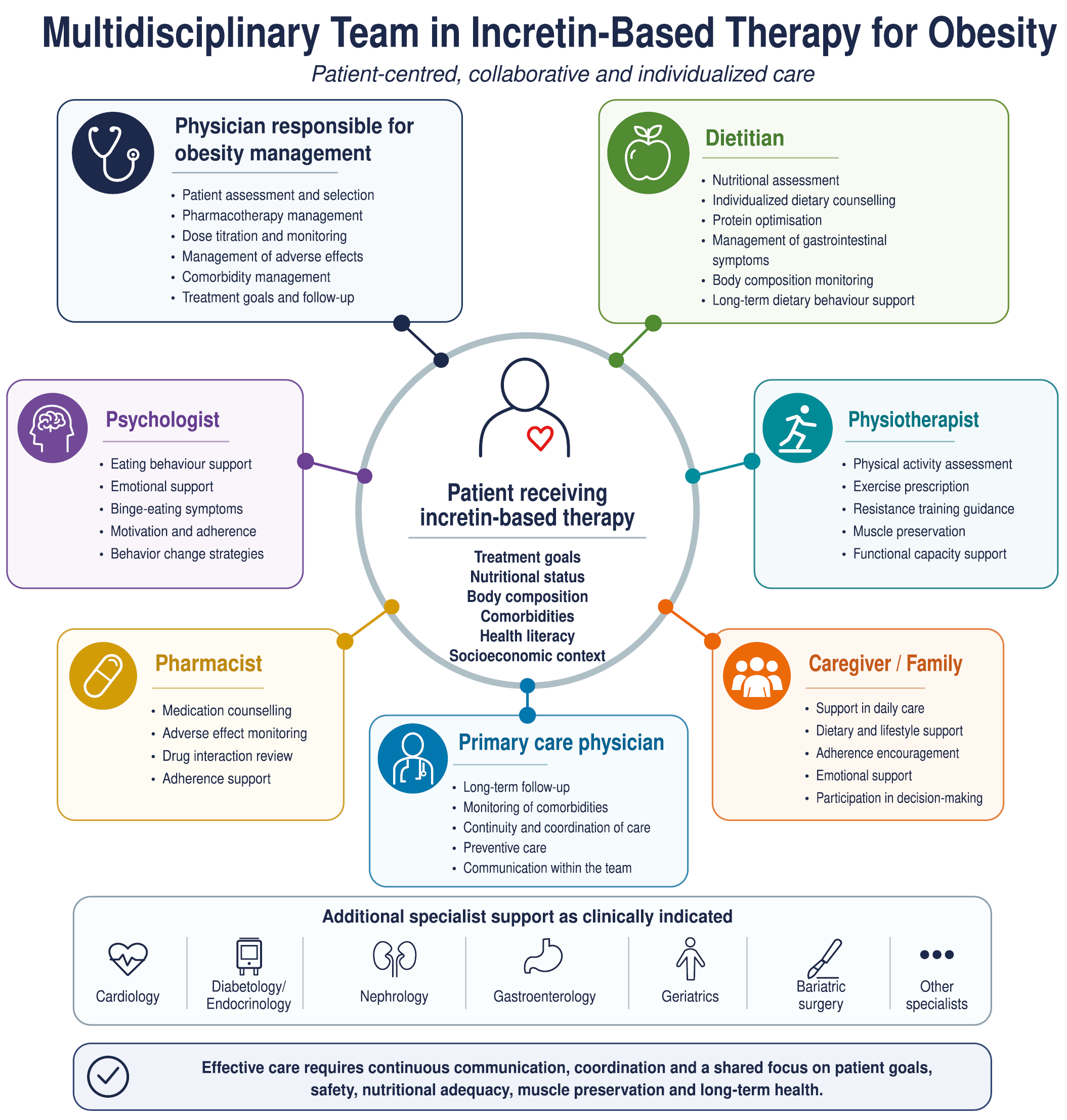
Statement 21: Integration of a registered dietitian within the multidisciplinary care team represents an important component of comprehensive care for patients treated with incretin-based therapies. Nutritional assessment, dietary counseling, and ongoing monitoring are part of longitudinal nutritional management and should be adapted to the patient’s clinical status, treatment response, and socioeconomic context.
During treatment initiation and dose escalation, dietary counseling may focus more on gastrointestinal tolerance, hydration, meal volume, adequate protein and energy intake, and avoiding excessive dietary restriction.26, 27 During longer-term treatment, greater emphasis may be placed on diet quality, micronutrient adequacy, preservation of lean mass, sustainable dietary patterns, and physical function.26, 27 Following treatment discontinuation, counseling may additionally address changes in appetite, long-term dietary adherence, weight maintenance, and preservation of physical function.26, 76, 77
Effective nutritional care for patients treated with incretin-based therapies requires a structured, multidisciplinary approach in which a registered dietitian plays a central clinical role. Evidence from the STEP 3 RCT demonstrated that semaglutide combined with intensive lifestyle intervention, including structured dietary counseling delivered by trained healthcare professionals, achieved a mean weight reduction of 16% from baseline compared with 5.7% with placebo plus lifestyle intervention, highlighting the importance of structured lifestyle intervention as an integral component of incretin-based therapy.9 Similarly, in the SURMOUNT-3 trial, participants who underwent a prior intensive lifestyle intervention phase before initiating tirzepatide achieved substantial additional weight loss following the initial lifestyle intervention phase, indicating the role of prior intensive lifestyle intervention in optimizing pharmacotherapy outcomes.78
Patient education and support for long-term behavior change are essential components of effective care in this population. Adherence to incretin-based therapy in real-world settings is substantially lower than in RCTs, with approx. 2/3 of patients discontinuing therapy within the 1st year, driven primarily by gastrointestinal adverse effects, treatment costs, and challenges related to long-term behavioral support.79, 80 Structured dietary counseling and behavioral interventions, including motivational interviewing and shared decision-making, are associated with improved adherence and sustained dietary modifications.8 The composition of the multidisciplinary care team is presented in Figure 1.
Socioeconomic factors represent a major and underrecognized barrier to equitable access to semaglutide-based obesity treatment. Population-level data demonstrate a pronounced income gradient in semaglutide use, with prescription rates nearly threefold higher in the highest vs lowest income quartile (3.6% vs 1.3%), despite a substantially greater prevalence of obesity among individuals with lower socioeconomic status (26% vs 13%). These findings indicate a pattern of systematic undertreatment in populations with the highest clinical need, largely driven by out-of-pocket treatment costs and structural inequities in access to care.81
Limitations of the current evidence and future research directions
The evidence base underpinning nutritional care during incretin-based therapy remains substantially less developed than the evidence supporting pharmacological efficacy. Most pivotal trials were designed to evaluate weight loss and cardiometabolic outcomes rather than nutritional adequacy, body composition, physical function, micronutrient status, or dietitian-led interventions. As a result, several practical elements of nutritional management discussed in this statement rely on indirect evidence, observational studies, expert consensus, or extrapolation from broader obesity, clinical nutrition, and gastrointestinal literature. Interpretation is further limited by heterogeneity in study populations, drug class, dose escalation, treatment duration, co-interventions, and outcome definitions, which reduces comparability across studies and limits the precision of nutrition-specific conclusions.
Future research should prioritize nutrition-focused RCTs and pragmatic trials embedded within incretin-based obesity treatment pathways. Such studies should include standardized assessment of dietary intake, body composition, muscle strength and physical function, gastrointestinal tolerance, hydration status, and biochemical markers of micronutrient status, alongside body weight and cardiometabolic outcomes. Particular attention is needed for older adults, patients with sarcopenic obesity, CKD, heart failure, marked gastrointestinal symptom burden, or rapid weight loss, as well as for the post-discontinuation phase and long-term weight maintenance.
Better evidence is also needed regarding optimal protein targets, strategies to preserve fat-free mass, the clinical value of micronutrient monitoring, the role of oral nutritional supplementation, and the effectiveness of structured dietitian-led care. A stronger evidence base in these domains is needed to support more precise, treatment-specific, and outcome-oriented nutritional guidance.
Conclusions
Nutrition represents an important component of safe and effective incretin-based therapy in obesity management. Patients receiving incretin-based pharmacotherapy may be at increased nutritional risk due to reduced energy intake, gastrointestinal adverse effects, inadequate protein and micronutrient intake, dehydration, and loss of lean mass or fat-free mass. Relevant components of nutritional care may include structured nutritional assessment, monitoring of dietary intake, appetite, gastrointestinal tolerance, hydration status, and where clinically appropriate, body composition, with particular attention to preserving lean mass and muscle function and preventing nutritional deterioration during weight loss.
Nutritional management may be individualized according to clinical status, treatment response, gastrointestinal tolerance, nutritional risk, comorbidities, socioeconomic context, and patient preferences. Mediterranean, DASH, and appropriately planned plant-based dietary patterns represent reasonable dietary approaches during therapy, whereas routine micronutrient supplementation is not supported by current evidence, and targeted supplementation may be considered in the presence of documented deficiency, persistently inadequate intake, or increased clinical risk.
Integration of a registered dietitian within the multidisciplinary care team may support nutritional assessment, counseling, implementation of individualized dietary strategies, management of treatment-related nutritional challenges, and long-term treatment adherence. Further nutrition-focused trials are needed to evaluate the effects of structured dietitian-led interventions on body composition, muscle preservation, nutritional status, treatment tolerance, quality of life, and long-term clinical outcomes during incretin-based therapy.
Use of AI and AI-assisted technologies
OpenAI’s ChatGPT was used for language editing and proofreading to ensure the final manuscript’s clarity, coherence, and linguistic accuracy.