From discovery to implementation

Advances in Clinical and Experimental Medicine

Title abbreviation: Adv Clin Exp Med
Journal Impact Factor (JIF 2025) – 2.5
Journal Citation Indicator (JCI 2025) – 0.40
Scopus CiteScore (2025) – 4.2
Index Copernicus Value (ICV 2024) – 161.00
MNiSW – 70 pts
ISSN 1899–5276 (print), ISSN 2451-2680 (online)
Periodicity – monthly

Download original text (EN)

Advances in Clinical and Experimental Medicine

Ahead of print

doi: 10.17219/acem/222571

Publication type: original article

Thematic category: Epidemiology; infectious diseases

Language: English

License: Creative Commons Attribution 3.0 Unported (CC BY 3.0)

Download citation:

  • BIBTEX (JabRef, Mendeley)
  • RIS (Papers, Reference Manager, RefWorks, Zotero)

Cite as:


Oleszko M, Zaręba L, Łoś A, Król N, Czajka H. Herpes zoster epidemiology during and after the COVID-19 pandemic: A 5-year retrospective study from primary care in Poland [published online as ahead of print on October 15, 2026]. Adv Clin Exp Med. 2026. doi:10.17219/acem/222571

Herpes zoster epidemiology during and after the COVID-19 pandemic: A 5-year retrospective study from primary care in Poland

Michał Oleszko1,A,B,C,D,F, Lech Zaręba2,A,C,E,F, Aleksandra Łoś1,B,D,F, Nikola Król1,B,D,F, Hanna Czajka1,A,D,E,F

1 College of Medical Sciences, University of Rzeszów, Poland

2 Institute of Computer Science, University of Rzeszów, Poland

Graphical abstract


Graphical abstracts

Highlights


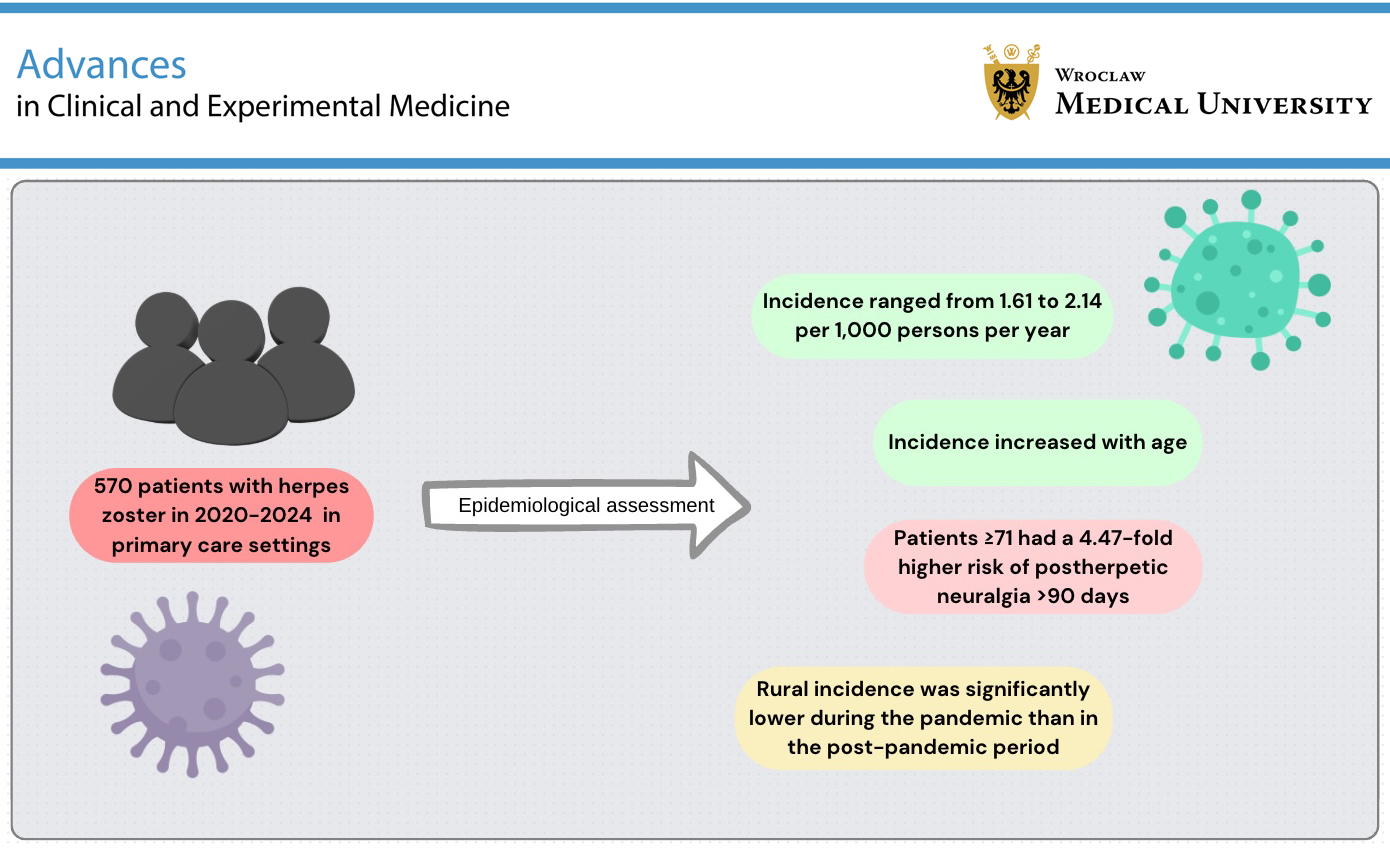
• Herpes zoster (HZ) incidence increases markedly with age, with the highest rates observed in adults aged 80 years and older.
• Older age is strongly associated with an increased risk of postherpetic neuralgia (PHN) and HZ ophthalmicus in patients with HZ.
• A multicenter primary care study provides updated epidemiological data on HZ and its complications in Poland from 2020 to 2024.
• The COVID-19 pandemic influenced HZ reporting patterns, with significantly lower incidence observed in rural areas during the pandemic compared with the post-pandemic period.

Abstract

Background. Herpes zoster (HZ) is caused by reactivation of latent varicella-zoster virus and affects 25–30% of individuals, with the highest incidence in adults aged ≥50 years and a lifetime risk exceeding 50% after the age of 85. Its most common complication is postherpetic neuralgia (PHN), i.e., persistent neuropathic pain. Reports of increased HZ incidence during or after SARS-CoV-2 infection suggest potential epidemiological associations requiring further investigation.

Objectives. Our goals were to evaluate the incidence of HZ and its complications during the pandemic and the post-pandemic period in primary care settings in Poland.

Materials and methods. We conducted a retrospective multicenter study in 20 primary care clinics in Poland, covering 43,949–81,091 patients from 2020 to 2024. Incident HZ cases and complications (PHN, herpes zoster ophthalmicus (HZO), HZ oticus, and disseminated HZ) were identified, and demographic data, including place of residence, were collected. Statistical analyses included χ2 or Fisher’s exact tests, Student’s t-tests or nonparametric equivalents, odds ratios (ORs) with 95% confidence intervals (95% CIs), and receiver operating characteristic (ROC) analysis to assess age-related risk of prolonged symptoms.

Results. A total of 570 HZ cases were recorded from 2020 to 2024. Incidence ranged from 1.61 to 2.14 per 1,000 persons and increased with age, reaching 6.57 per 1,000 in individuals aged ≥80 years. Patients aged ≥71 years had higher odds of developing PHN (pain persisting for >90 days) than younger patients (OR = 4.47; 95% CI: 2.30–8.67; p < 0.001). Older adults were also more likely to develop HZO (p = 0.001). Rural incidence was significantly lower during the pandemic than in the post-pandemic period (p = 0.005), with no significant differences in urban or semi-urban areas.

Conclusions. The risk of HZ, PHN, and HZO rises with age. During the pandemic (2020–2021), rural incidence was significantly lower than in the post-pandemic period (2022–2024). The study provides updated data on HZ epidemiology in Poland and highlights the impact of the COVID-19 pandemic on healthcare access and HZ reporting in rural areas.

Key words: herpes zoster, postherpetic neuralgia, herpes zoster ophthalmicus, COVID-19 pandemic, primary healthcare

Background

Herpes zoster (shingles; HZ) is caused by reactivation of the latent varicella-zoster virus (VZV), which persists in the sensory ganglia after primary infection.1 Primary infection with VZV – varicella – occurs predominantly in childhood, manifests as a vesicular, itchy rash accompanied by systemic symptoms such as malaise, headache, or loss of appetite, and is highly contagious.2, 3, 4, 5, 6, 7, 8, 9

Approximately 25–30% of the general population will develop HZ during their lifetime, with the highest incidence observed in adults aged ≥50 years.10 The risk rises to more than 50% in patients aged >85 years.11, 12 Clinically, HZ manifests as an erythematous vesicular rash in 1 or 2 dermatomes, most commonly facial or thoracic,13 but it may involve multiple dermatomes or become disseminated, particularly in immunocompromised patients.14, 15 Acute pain typically resolves within 2–4 weeks; however, more than 20% of individuals develop postherpetic neuralgia (PHN),16, 17, 18 with the incidence increasing substantially with age.19, 20, 21, 22, 23, 24, 25

Postherpetic neuralgia is described as aching, burning, throbbing, or shooting pain and may involve allodynia.26 Herpes zoster ophthalmicus (HZO) affects the ophthalmic branch of the trigeminal nerve and may lead to conjunctivitis, keratitis, uveitis, or vision loss,27, 28 while HZ oticus can result in facial paresis, vertigo, tinnitus, or hearing loss.29, 30 Herpes zoster occurs globally, with no apparent seasonal variation in its incidence rate (IR). The clinical and epidemiological characteristics of HZ are largely consistent across different geographic regions.31

Growing evidence suggests that the coronavirus disease 2019 (COVID-19) pandemic has influenced the epidemiology and reporting of non-COVID infectious diseases, including HZ. Reduced access to routine medical care and changes in healthcare-seeking behavior were widely documented during the pandemic, leading to underdiagnosis and fluctuations in surveillance data.32, 33

Additionally, case series and observational studies have described VZV reactivation during or following infection with severe acute respiratory syndrome coronavirus 2 (SARS-CoV-2), suggesting that pandemic-related immune dysregulation or physiologic stress may contribute to triggering HZ in susceptible individuals.34, 35 These observations highlight the importance of evaluating pandemic-related trends in HZ and PHN incidence.

In Poland, vaccination against varicella is included in the mandatory childhood immunization schedule, while vaccination against HZ is recommended for adults but not universally funded. Since 2024, recombinant zoster vaccine (RZV) has been partially reimbursed for selected adult groups, although availability remains limited and vaccination is not routinely offered in primary care settings.36 These factors underline the public health relevance of analyzing HZ epidemiology and its complications in the Polish population, including differences between urban and rural settings.

The Podkarpackie Voivodeship provides a valuable setting for such an analysis because of its mixed urban–rural structure, aging population, and documented disparities in healthcare accessibility relative to other regions of Poland. Primary care practices in this area provide access to large community-based patient populations, enabling the assessment of HZ incidence and meaningful comparisons across demographic and geographic subgroups.

Objectives

Considering the well-established risk factors for HZ reported worldwide37, 38, 39 and the limited epidemiological data available from Central and Eastern Europe, this retrospective, population-based study aimed to characterize the epidemiology of HZ in Poland between 2020 and 2024. Specifically, we determined the incidence of HZ and its associated complications, including PHN, HZO, HZ oticus, and disseminated HZ, with particular attention to differences between urban and rural populations. We also examined the influence of age and sex on HZ incidence and assessed the impact of the COVID-19 pandemic by comparing data from the pandemic period (2020–2021) with those from the post-pandemic years (2022–2024), while accounting for territorial differences.

Materials and methods

Study population

We conducted a retrospective, population-based study using the primary care database of Medical Center Medyk in the Podkarpackie Voivodeship, Poland. Podkarpackie is the southeasternmost voivodeship in the country, and Medical Center Medyk is one of the largest multisite healthcare providers in the region, operating 20 primary care clinics across the area. The total number of patients registered with a general practitioner increased from 43,949 at the end of 2020 to 81,091 at the end of 2024 (Table 1). This substantial growth resulted primarily from the ongoing registration of new patients, reflecting the gradual enlargement of the study population over the study period. In this study, we analyzed all cases of HZ (ICD-10: B02–B02.9) diagnosed in outpatient primary care settings over a 5-year period (January 2020–December 2024). The database was used to identify patients with HZ and its complications, including PHN, HZO, HZ oticus, and disseminated HZ.

Urban areas were defined as cities with more than 100,000 inhabitants, suburban areas as towns with municipal status but fewer than 100,000 inhabitants, and rural areas as non-urbanized localities without municipal rights, regardless of population size. The IR is a measure of HZ incidence that expresses the number of new cases that arise in a study population during a given year.

Comorbidities were not included in the analysis because the documentation in the primary care database was insufficient. Many chronic conditions are managed exclusively by specialists rather than documented in primary care records, resulting in incomplete records that do not allow for a robust evaluation of their potential impact. Vaccination rates for HZ were not addressed in this study, as RZV has been partially reimbursed in Poland since January 2024 for individuals aged ≥65 years with comorbidities and has been fully reimbursed since April 2025 for this population (https://bip.aotm.gov.pl/assets/files/zlecenia_mz/2024/158/AWA 158_AWA_OT.423.0.7.2024_Shingrix_BIP_REOPTR.pdf). Before January 2024, the vaccine was available only commercially, with uptake generally very low.40

Definition of cases and complications

An incident case of HZ was defined as a new diagnosis (ICD-10: B02) recorded between 2020 and 2024 in individuals with no prior HZ diagnosis in the preceding 12 months. The data extracted from the Medical Center Medyk primary care database were checked for completeness and consistency to ensure reliable identification of HZ cases and complications. Postherpetic neuralgia was identified based on either the co-occurrence of ICD-10 codes B02 and G53.0 or B02 and G63.0, recorded on the same date more than 90 days after the initial HZ diagnosis and listed as primary or secondary diagnoses, or documentation of persistent postherpetic pain lasting more than 90 days in the medical history. Other HZ-related complications were defined and identified analogously using specific 5-character ICD-10 codes (B02.0–B02.9) corresponding to specific clinical manifestations. These included, e.g., HZO (B02.3), HZ oticus (B02.2), and disseminated HZ (B02.7). All diagnoses were further verified by trained personnel to ensure consistency and minimize misclassification. Detailed medical history entries recorded within 30 days of the initial HZ diagnosis were also reviewed to ensure that complications not fully reflected in the diagnostic codes were accurately captured.

Approval for the study was granted by the Bioethics Committee at the University of Rzeszów, Poland (approval No. 044/11/2024, issued on 6 November 2024), and all consent required by the Committee was obtained.

Statistical analyses

We used TIBCO STATISTICA v. 13.3 software (StatSoft Inc., Tulsa, USA) and R v. 4.3.1 (R Foundation for Statistical Computing, Vienna, Austria; packages: stats, base, car 3.1-5, FSA 0.10.1, pROC 1.19.0.1, and sm 2.2-6.0; base: https://search.r-project.org/R/refmans/base/html/base-package.html; stats: https://search.r-project.org/R/refmans/stats/html/stats-package.html; car 3.1-5: https://CRAN.R-project.org/package=car; FSA 0.10.1: https://CRAN.R-project.org/package=FSA; pROC 1.19.0.1: https://cran.r-project.org/web/packages/pROC/index.html; sm 2.2-6.0: https://cran.r-project.org/web/packages/sm/index.html) to analyze the data. Categorical variables were presented as numbers with percentages and compared using the χ2 test or Fisher’s exact test, as appropriate. The Shapiro–Wilk (n = 10–50) or Lilliefors (n > 50) test was used to assess the normality of the data distribution (the results are presented in Supplementary Table 2). Medians with Q1–Q3 ranges and means with 95% confidence intervals (95% CIs) and standard deviations (SDs) were presented for all continuous variables. As the assumptions for parametric tests were not met (Supplementary Table 2), the Mann–Whitney or Kruskal–Wallis test was used, as appropriate, to compare continuous variables between study groups. For multiple comparisons, Tukey’s post hoc test with Bonferroni correction or Dunn’s test, as appropriate, was used. Spearman’s correlation coefficient was used to describe the relationship between quantitative characteristics. The test of monotonicity in a regression curve (sm.monotonic) was used to assess monotonicity. This test uses the concept of a “critical bandwidth” to assess evidence that a regression curve is non-monotonic. A two-proportion test was used to compare the IR. For binary variables, odds analysis (with a 95% CI) was used to estimate the odds ratio (OR), with a significance level of p = 0.050. Receiver operating characteristic (ROC) analysis was used to determine the age that best discriminated between patients with pain lasting >90 days and those with pain lasting ≤90 days. A two-sided p < 0.05 was considered statistically significant.

Results

Herpes zoster was diagnosed in 570 individuals over the 5-year period (2020–2024). The demographic distribution of HZ cases by year, along with the IR, is presented in Table 2, whereas IRs with corresponding 95% CIs are summarized in Supplementary Table 1.

Table 3 presents the median time between the first and last visits and the number of visits during the course of illness, along with the corresponding 1st and 3rd quartiles for each year.

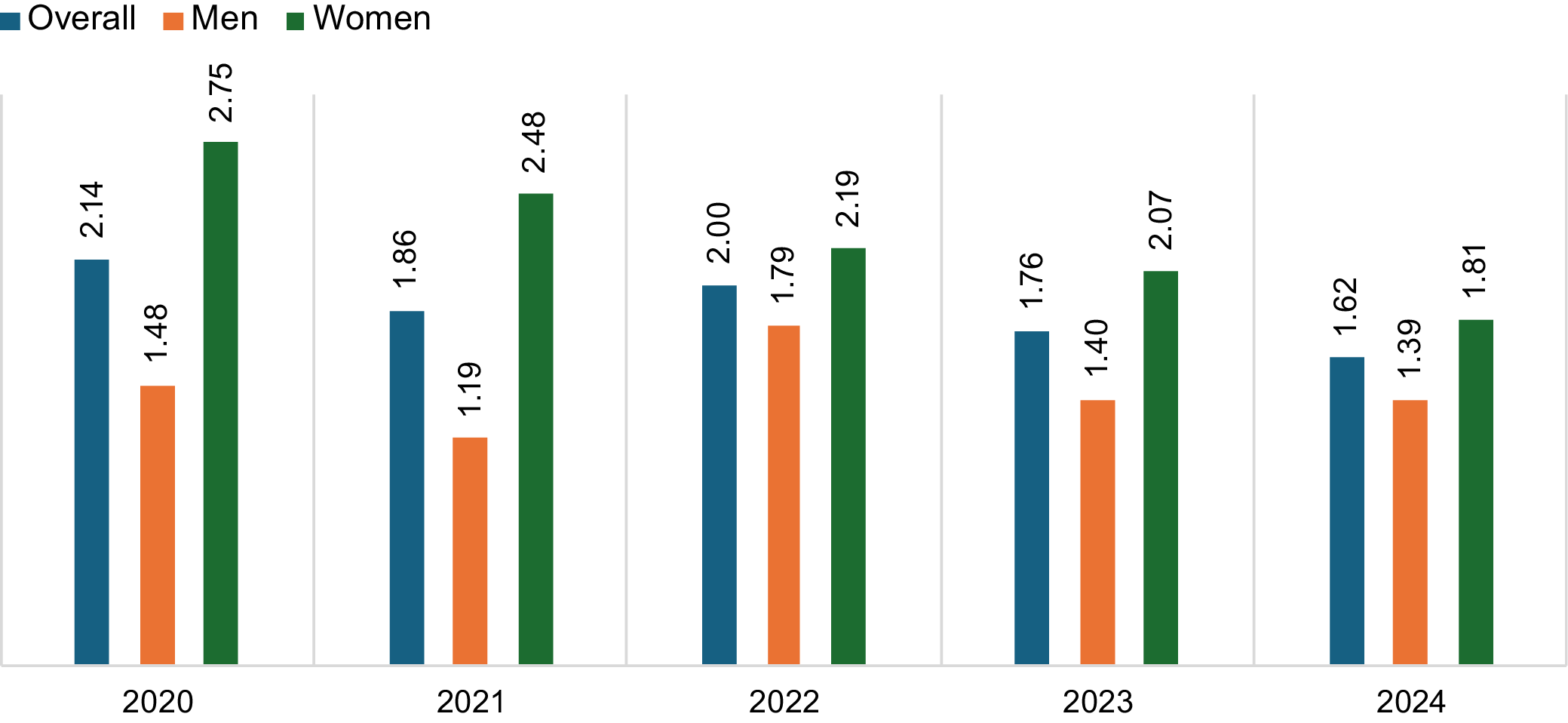
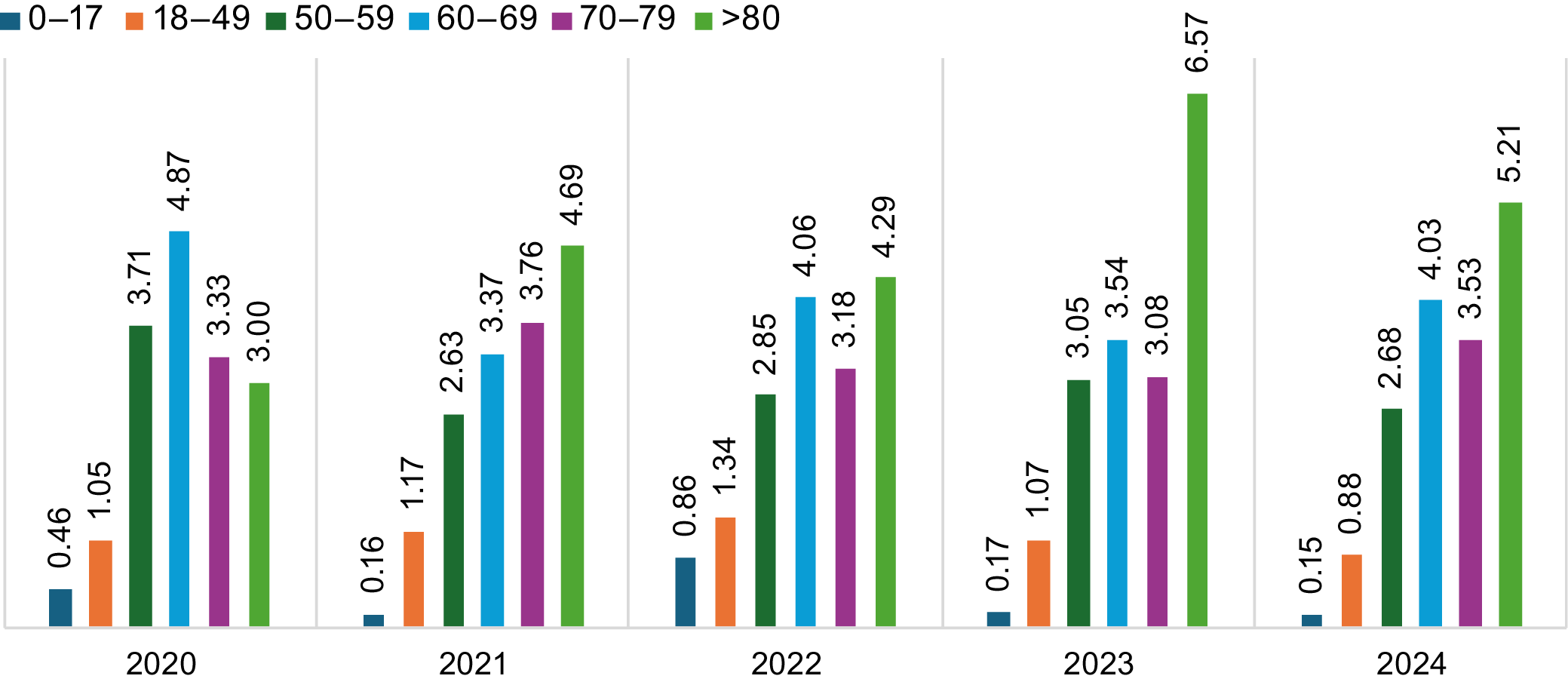
The incidence by age group is shown in Figure 1. The incidence of HZ by sex from 2020 to 2024, expressed per 1,000 persons per year, is summarized in Figure 2. Supplementary Fig. 1 presents the IR across urban, semi-urban, and rural areas.

Descriptive statistics for age and time to the last visit according to HZ localization are summarized in Table 4. In 37 cases (6.49%), information on HZ localization was unavailable. To examine whether patient age differed significantly across HZ types, the nonparametric Kruskal–Wallis test was applied because some subgroups had small sample sizes. The Kruskal–Wallis test showed that age differed significantly across HZ localization groups (n = (32, 13, 3, 485); p < 0.001), whereas time to the last visit did not (n = (32, 13, 3, 485); p = 0.222). Patients with HZO were significantly older (p < 0.001) than patients with a limited form of HZ. No significant age differences were observed in the other pairwise comparisons (ophthalmicus vs oticus: p = 0.915; ophthalmicus vs disseminated: p > 0.999; oticus vs limited: p > 0.999; oticus vs disseminated: p > 0.999; ophthalmicus vs limited: p > 0.999; disseminated vs limited: p > 0.999).

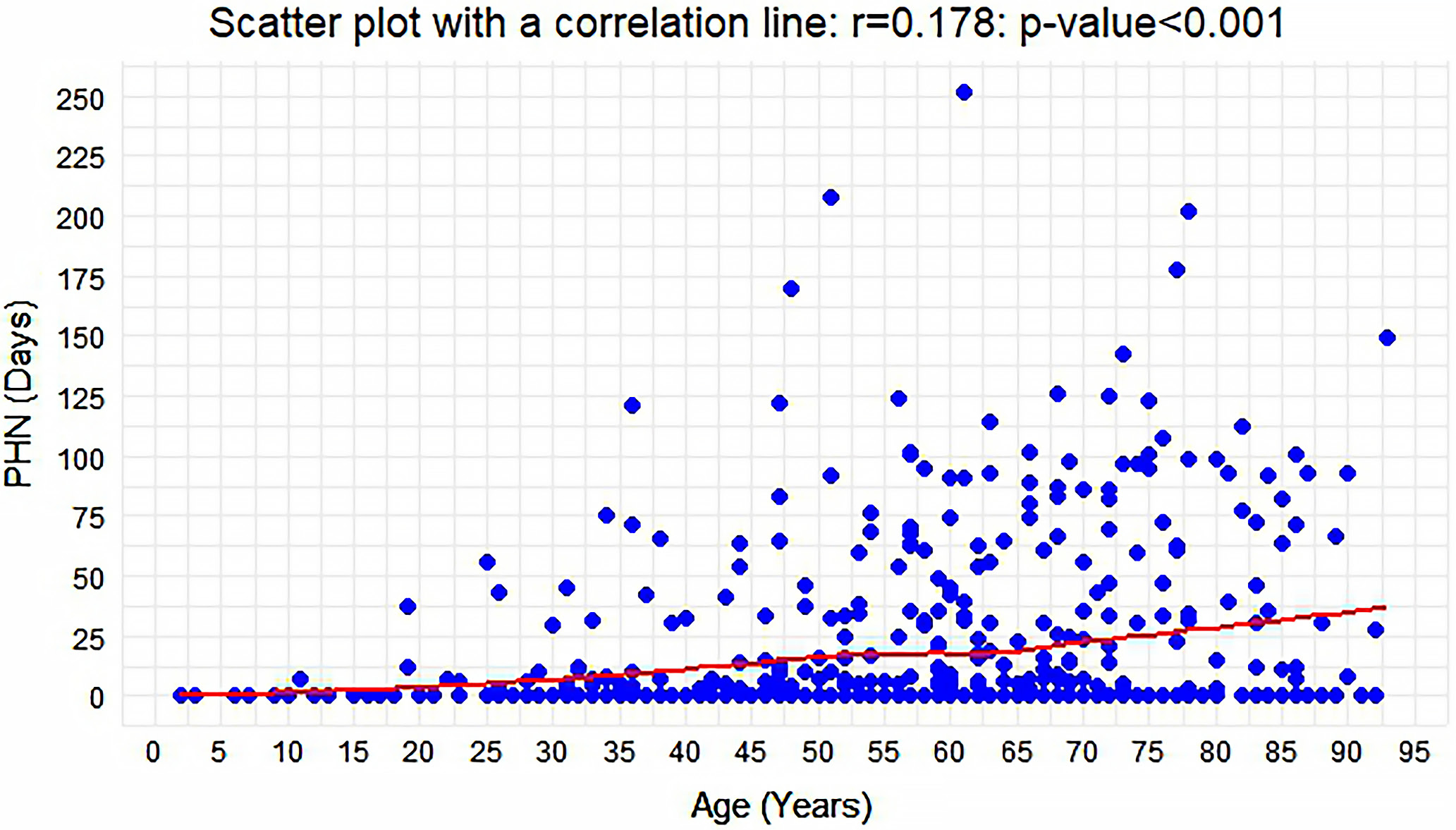
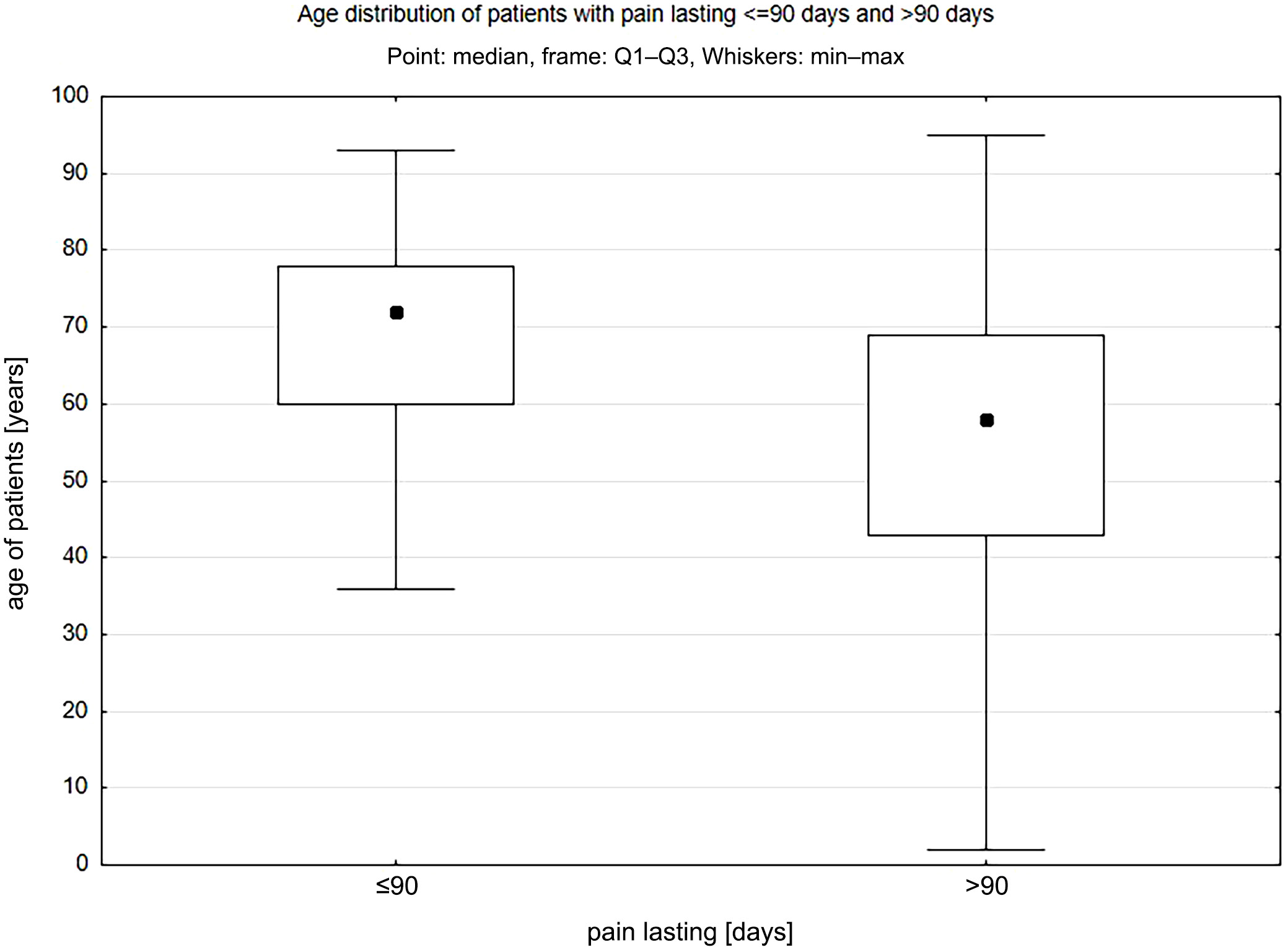
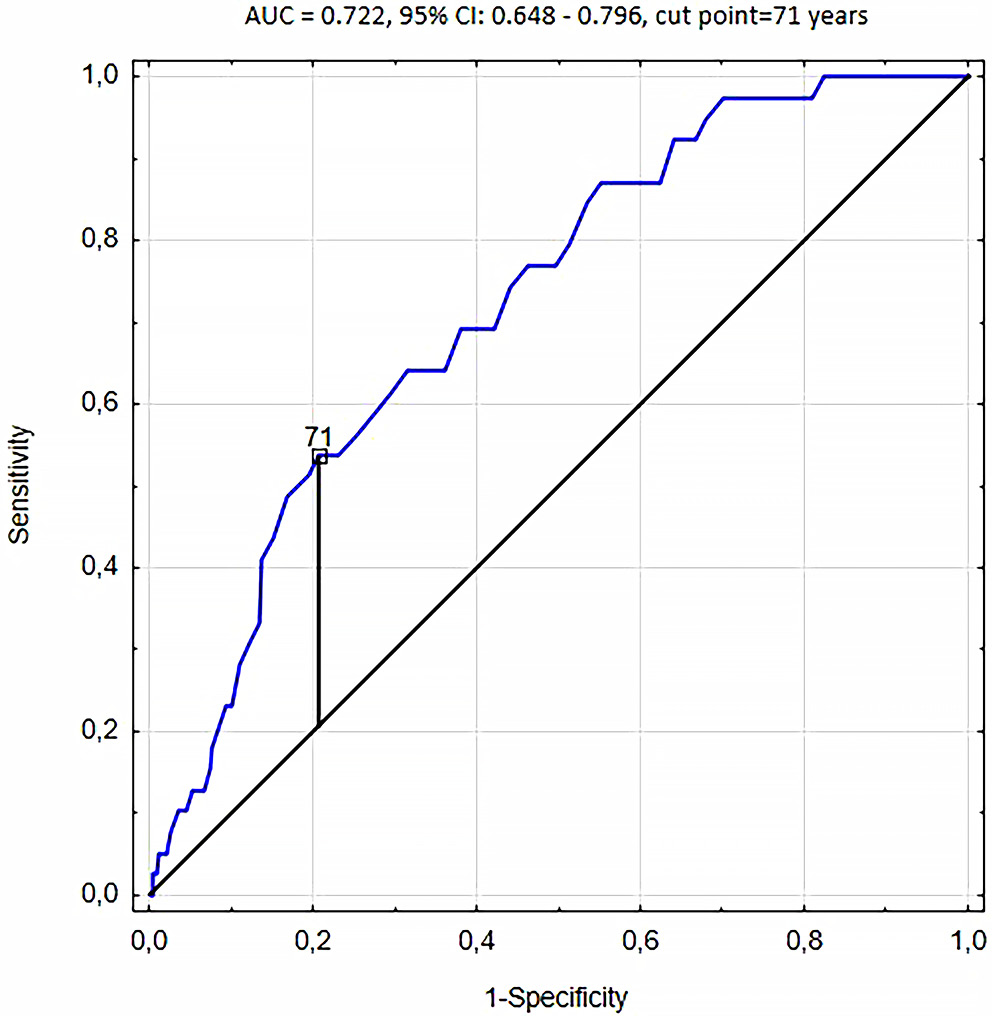
Thirty-nine patients (7%) developed PHN, defined as chronic pain lasting more than 90 days. Spearman’s correlation analysis showed a significant positive association between age and PHN (r = 0.178, n = 570; p < 0.001, p-sm.monotonic = 0.380) (Figure 3). When the duration of postherpetic pain was treated as a binary variable (≤90 days vs >90 days), the Mann–Whitney U test revealed that patients with PHN were significantly older (n = (39, 531); p < 0.001). Table 3 presents the descriptive statistics for pain duration and the results of the Mann–Whitney U test, while Figure 4 illustrates the age distribution of patients with pain lasting ≤90 days vs those with pain persisting for >90 days. Receiver operating characteristic analysis identified an optimal age cutoff of 71 years (area under the ROC curve (AUC) = 0.722, 95% CI: 0.648–0.796; p < 0.001; Figure 5). Patients aged ≥71 years had 4.47 times the odds of developing PHN compared with patients aged <71 years (OR = 4.47, 95% CI: 2.30–8.67; p < 0.001).

Impact of the COVID-19 pandemic on the burden of herpes zoster

The incidence of HZ during the pandemic period (2020–2021) and the post-pandemic period (2022–2024) is shown in Table 5. The average annual rate of change from 2020 to 2024 was −6.78%. The duration of HZ symptoms, as well as patient age and sex, did not differ significantly between the pandemic and post-pandemic periods. The median and mean age, as well as the mean time between the first and last HZ-related visits, are presented in Table 3 and Supplementary Fig. 2. As most patients attended only a single visit, the median interval between the first and last visits was 0 in both the pandemic and post-pandemic periods. The incidence of HZO, HZ oticus, and disseminated HZ did not differ significantly between these 2 periods (Mann–Whitney U test, n = (189, 381); p = 0.761).

The incidence of HZ differed significantly between the pandemic and post-pandemic periods in rural areas (two-proportion test: f = (1.542, 3.151); p = 0.005), but not in urban (two-proportion test: f = (2.236, 1.769); p = 0.452) or semi-urban areas (two-proportion test: f = (1.260, 1.235); p = 0.952) (Supplementary Fig. 3). Overall HZ incidence did not differ significantly between the 2 periods (two-proportion test: f = (1.991, 1.774); p = 0.717).

Discussion

This study provides a comprehensive analysis of HZ epidemiology and its complications in the Polish population. We confirmed that HZ incidence increases markedly with age, that women are affected more frequently than men, and that PHN remains the most common complication, with the risk strongly associated with age. Although overall HZ incidence did not differ significantly between urban and rural areas, reporting patterns varied during the pandemic period. These findings are consistent with international data and provide important evidence from Central and Eastern Europe, where population-based analyses remain limited.

Impact of the COVID-19 pandemic on HZ diagnosis and healthcare access

Overall, HZ incidence did not differ significantly between the pandemic and post-pandemic periods in our study, but rural areas showed a lower incidence during the pandemic, likely reflecting reduced healthcare access, diagnostic delays, and underreporting during the pandemic.41, 42

The COVID-19 pandemic disrupted healthcare systems globally,43, 44, 45, 46 causing reduced access to specialists, lower hospitalization rates, and fewer diagnoses of, e.g., chronic diseases,47, 48 sexually transmitted infections,49, 50 dermatological diseases,50 and oncological disorders,51, 52, 53, 54, 55, 56, 57, 58, 59, 60 as well as a decline in the number of transplantations.61, 62, 63, 64 Access to primary care facilities was also affected during the pandemic.65 Rural areas experienced additional challenges, including limited access to technology, mobility constraints, and fewer healthcare resources.66, 67, 68, 69, 70, 71 Difficulties in accessing public transport in rural areas may have limited people’s mobility in less-developed regions.72, 73 Fear of contracting COVID-19 also contributed to delayed healthcare-seeking behavior.67 In our study, there was no significant difference in overall incidence between the pandemic and post-pandemic periods; however, the incidence in rural areas was significantly lower during the pandemic than during the post-pandemic period, likely for the reasons mentioned above.

Geographic and age-related patterns in herpes zoster incidence

Population-based studies show variable urban–rural patterns. In urban settings, Chan et al. reported a prevalence of 2.03–2.21 per 1,000 persons, highest among individuals aged 70–79.74 In contrast, Lionis et al. reported a crude incidence of 1.4 per 1,000 persons in rural Greece.75 Li et al. found a markedly higher incidence of HZ in urban than in rural areas (7.65 vs 2.06 per 1,000 persons).76 However, other studies, such as Cebrián-Cuenca et al., observed the opposite – rural incidence was significantly higher (8.8 per 1,000 persons vs 3.1 per 1,000 persons in urban populations).77 According to the authors, the higher incidence of HZ in rural settings could be biased by higher consultation rates per patient in these areas, owing to the lower number of individuals assigned to each general practitioner outside cities compared with urban areas. In our study, overall incidence did not differ significantly between urban and rural areas, although rural incidence during the pandemic years was significantly lower than during the post-pandemic years.

Multiple recent meta-analyses have identified age as one of the strongest independent predictors of HZ.78, 79, 80, 81, 82 Internationally, HZ incidence in the general population ranges from 1.2 to 3.4 per 1,000 persons per year,83 increasing to 6–8 per 1,000 persons in adults aged 60 years and to 8–12 per 1,000 persons in those aged 80 years.1 Similar trends were reported by Li et al.,76 who observed an incidence of 3.43 per 1,000 persons in individuals aged ≥50 years and 8.55 per 1,000 persons in those aged ≥80 years. In Poland, 70% of hospitalized HZ patients are aged >60 years.84

Official Polish data on HZ incidence have been available since 2024 and range from approx. 2.86 to 5.56 per 1,000 persons per year.40 The IR observed in our study were slightly lower than those reported in the official Polish data but were consistent with international trends, ranging from 2.14 in 2020 to 1.61 in 2024. Age-related declines in VZV-specific cellular immunity and the presence of comorbidities likely contribute to these outcomes.78, 79, 80, 85, 86, 87, 88, 89 In our study, the incidence of HZ per 1,000 persons per year increased with age and was highest in patients aged >80 years in every year except 2020.

Complications of herpes zoster: Incidence and risk factors

Postherpetic neuralgia risk follows a similar pattern. It rarely occurs in individuals younger than 50 years but increases substantially with age, reaching up to 21% in persons aged 80–85 years.90, 91 In the systematic review by Giannelos et al.,25 PHN incidence varied widely (2.6–46.7%) depending on the population and definitions used. Studies based on primary care databases generally reported lower PHN rates (2.6–13.7%) due to underrecognition of mild and moderate cases.25 Several retrospective analyses support these trends91, 92, 93, 94, 95, 96; e.g., Gauthier et al.91 observed PHN lasting 3 months in 13.7% of patients aged ≥50 years, while Alicino et al.92 reported PHN in 12.7% of HZ cases (up to 28.57% in those aged ≥85 years). Our data similarly demonstrated significantly higher PHN rates in older adults, with 4.47 times the odds of persistent pain in those aged ≥71 years.

Herpes zoster ophthalmicus carries a risk of severe ocular complications, including keratitis, uveitis, corneal disease, and stroke.97, 98 In the general population, ocular involvement occurs in 1.4–15.9% of HZ cases,25 with higher rates in immunocompromised patients (up to 11.4% among patients with solid organ malignancies and 11.3% among those with hematologic malignancies)99, 100 compared with 4.8% in immunocompetent individuals.101

Our findings align with these reported ranges. Herpes zoster oticus is associated with facial nerve palsy,102 hearing impairment (24% of adult cases),30 and vertigo.103 Although studies on its incidence are limited, estimates range from 1.4% to 1.7%,104 with values as high as 18%.105 In our cohort, HZ oticus accounted for 2.28% of all cases, consistent with these values. Disseminated HZ is the rarest but most severe form, occurring in 0.3–8.2% of the general population25 and in 0–0.5% of immunocompetent individuals.25, 100, 101, 106 Incidence is higher among patients with hematologic malignancies (0.65–19.3%), among those with solid organ malignancies (0.04–8.5%),100, 107, 108 and among transplant recipients (0–14%).100, 109 In our study, only 3 cases (0.54%) were identified, likely due to underreporting, as patients with severe disease or immunocompromise often present directly to hospital units.14, 110, 111, 112 However, this value is consistent with rates reported in other studies.

Sex as a determinant in herpes zoster

Sex differences in HZ risk have been consistently reported. A meta-analysis by Kawai and Yawn found a higher incidence among women (pooled risk ratio (RR) = 1.31; 95% CI: 1.27–1.34).80 Li et al. also demonstrated a higher incidence in women in primary care populations (3.95 per 1,000 persons in women vs 2.89 per 1,000 persons in men).76 Many studies confirm that women are more likely to develop HZ,10, 78, 81, 113, 114, 115, 116, 117, 118 though the explanation remains multifactorial. Health-seeking behavior may differ between sexes. Biological mechanisms, such as immune or hormonal modulation, may contribute,80, 119 and diagnostic biases have also been suggested.118, 120

Polish hospital data similarly report a female predominance (58% of HZ hospitalizations).84 Our study supports these findings, with women developing HZ more frequently than men; the difference was statistically significant in 2020 (two-proportion test: f = (2.74, 1.47), p = 0.048). In that year, the IR per 1,000 persons was 2.74 for women (95% CI: 2.13–3.54) and 1.47 for men (95% CI: 1.02–2.12). However, no significant differences were observed during 2021–2024, likely due to an insufficient sample size; this finding warrants further investigation.121, 122

Implications for practice

The strong age-related increase in the risk of HZ and PHN underscores the importance of targeted prevention in older adults. The recent reimbursement of the RZV (Shingrix) in Poland provides an opportunity to reduce disease burden, particularly in high-risk groups such as individuals aged ≥60 years, immunocompromised patients, and those living in rural areas with limited healthcare access. Strengthening primary care screening and patient education may further mitigate PHN by enabling earlier diagnosis and treatment. Pandemic-related fluctuations in reporting also highlight the need to reinforce surveillance systems to improve trend monitoring and guide vaccination policies.

Limitations of the study

Several limitations must be acknowledged. First, we lacked access to data prior to 2020, as the electronic health record system was fully implemented at the participating clinics only in mid-2019. Consequently, we were unable to compare our findings with data from the pre-pandemic period. Furthermore, although the study involved several clinics, they were all part of the same primary care network, which may limit the generalizability of the findings to other regions or healthcare systems. In addition, the retrospective design and reliance on electronic health records may have led to diagnostic errors or underreporting, particularly among patients with mild or moderate symptoms. Moreover, due to the factors outlined in the Materials and methods section, the influence of comorbidities and HZ vaccination coverage could not be evaluated, and these aspects require further investigation.

Conclusions

Our study provides an updated analysis of the incidence of HZ and its complications in the primary care population in Poland. We found that age was significantly associated with the incidence of HZ, PHN, and HZO. Moreover, further investigation into the pandemic’s impact on rural healthcare is warranted, as we observed differences in HZ incidence between the pandemic and post-pandemic periods in rural areas. It is particularly important for general practitioners to inform patients about the risk of HZ, especially older adults, given that HZ vaccination is available and fully reimbursed for eligible patients in Poland.

Supplementary data

The supplementary materials are available at https://doi.org/10.5281/zenodo.20718265. The package contains the following files:

Supplementary Table 1. Demographic distribution of HZ cases by year (2020–2024): number of cases (n) and incidence per 1,000 persons per year (IR) with corresponding 95% CIs.

Supplementary Table 2. Results of normality tests for clinical and demographic variables in HZ patients.

Supplementary Fig. 1. Incidence by area of residence in 2020–2024.

Supplementary Fig. 2. Time between first and last visit in the pandemic and post-pandemic periods.

Supplementary Fig. 3. Incidence by area of residence in the pandemic and post-pandemic periods.

Data Availability Statement

The datasets supporting the findings of the current study are openly available in Zenodo at https://doi.org/10.5281/zenodo.20689609.

Consent for publication of personal information

Not applicable.

Use of AI and AI-assisted technologies

Not applicable.
Tables


Table 1. Total number of patients by year

Year

Number of patients with HZ

Total number of patients

Incidence per 1,000 patients per year

2020

94

43,949

2.139

2021

95

50,976

1.864

2022

124

61,958

2.001

2023

126

71,736

1.756

2024

131

81,091

1.616

HZ – herpes zoster.
Table 2. Demographic distribution of herpes zoster cases by year (2020–2024): number of cases (n) and incidence per 1,000 persons per year (incidence rate (IR))

Variable

2020

2021

2022

2023

2024

n

IR

n

IR

n

IR

n

IR

n

IR

Age [years]

0–17

2

0.463

1

0.157

8

0.856

2

0.174

2

0.149

18–49

23

1.048

30

1.174

42

1.345

39

1.066

37

0.882

50–59

22

3.706

17

2.631

21

2.847

25

3.047

24

2.682

60–69

27

4.872

20

3.366

27

4.064

26

3.542

32

4.027

70–79

14

3.332

17

3.761

16

3.180

17

3.083

21

3.532

>80

6

3.000

10

4.695

10

4.294

17

6.571

15

5.212

Sex

Women

63

2.747

66

2.482

72

2.193

79

2.074

78

1.813

Men

31

1.475

29

1.189

52

1.785

47

1.397

53

1.393

Area of living

Rural

0

0.000

7

2.928

11

4.207

15

3.608

11

2.213

Suburban

12

1.297

14

1.230

21

1.540

13

0.831

24

1.357

Urban

82

2.519

74

1.989

92

2.013

98

1.887

86

1.472

Total

94

2.139

95

1.864

124

2.001

126

1.756

131

1.615

Table 3. Descriptive statistics of the number of visits, pain duration, patient age, and time between first and last visit during the pandemic and post-pandemic periods

Year

Number of patients with HZ

Median

Q1

Q3

2020

94

1

1

2

2021

95

1

1

2

2022

124

1

1

2

2023

126

1

1

2

2024

131

1

1

2

Pain duration [days]

2020

94

0.00

0.00

15.00

2021

95

0.00

0.00

14.00

2022

124

0.00

0.00

20.00

2023

126

0.00

0.00

11.00

2024

131

0.00

0.00

21.00

Pain duration [days] broken down into 90 days

Group

n in group

median

Q1

Q3

≤90

531

58.00

43.00

69.00

>90

39

72.00

60.00

78.00

Descriptive statistics of age of patients with HZ in pandemic and post-pandemic periods

Years

n in years

median

Q1

Q3

2020–2021

189

59.000

46.000

69.000

2022–2024

381

58.000

43.000

70.000

Time between first and last visit in the pandemic and post-pandemic periods [days]

Year

n in years

median

Q1

Q3

2020–2021

78

27

7

56

2022–2024

156

32

8

74

HZ – herpes zoster; Q1 – 1st quartile; Q3 – 3rd quartile
Table 4. Descriptive statistics of age and time to last visit according to herpes zoster (HZ) localization

Localization

Variable

n

Median

Q1

Q3

HZ ophthalmicus

age

32

69

60

78

time to last visit

32

3.5

0

40.5

HZ oticus

age

13

63

51

70

time to last visit

13

3

0

70

Limited HZ

age

485

58

43

69

time to last visit

485

0

0

16

Localization

variable

n

–

min

max

Disseminated HZ

age

3

–

42

73

time to last visit

3

–

0

101

Q1 – 1st quartile; Q3 – 3rd quartile; min – minimum; max – maximum.
Table 5. Incidence of herpes zoster (HZ) in the pandemic (2020–2021) and post-pandemic (2022–2024) periods

Period

Years

Number of patients with HZ

Total number of patients

Incidence per 1,000 persons per year

Mean of incidence per 1,000 persons per year in periods

Pandemic

2020

94

43,949

2.14

2.00

2021

95

50,976

1.86

Post-pandemic

2022

124

61,958

2.00

1.79

2023

126

71,736

1.76

2024

131

81,090

1.62

Figures


Fig. 1. Incidence by age group per 1,000 persons per year in 2020–2024
Fig. 2. Incidence by sex group per 1,000 persons per year in 2020–2024
Fig. 3. Association between age and postherpetic neuralgia (PHN) risk
Fig. 4. Age distribution of patients with pain lasting <=90 days and >90 days (postherpetic neuralgia (PHN))
Fig. 5. Receiver operating characteristic (ROC) curve evaluating the performance of age as a predictor of prolonged pain duration (>90 days)

References (122)

  1. Kawai K, Gebremeskel BG, Acosta CJ. Systematic review of incidence and complications of herpes zoster: Towards a global perspective. BMJ Open. 2014;4(6):e004833. doi:10.1136/bmjopen-2014-004833
  2. Gershon AA, Breuer J, Cohen JI, et al. Varicella zoster virus infection. Nat Rev Dis Primers. 2015;1(1):15016. doi:10.1038/nrdp.2015.16
  3. Ishihara R, Watanabe R, Shiomi M, et al. Exploring the link between varicella-zoster virus, autoimmune diseases, and the role of recombinant zoster vaccine. Biomolecules. 2024;14(7):739. doi:10.3390/biom14070739
  4. Patil A, Goldust M, Wollina U. Herpes zoster: A review of clinical manifestations and management. Viruses. 2022;14(2):192. doi:10.3390/v14020192
  5. Saleh HM, Ayoade F, Kumar S. Varicella-zoster virus (chickenpox). In: StatPearls. Treasure Island, USA: StatPearls Publishing; 2026:Bookshelf ID: NBK448191. PMID:28846365.
  6. Marin M, Leung J, Lopez AS, Shepersky L, Schmid DS, Gershon AA. Communicability of varicella before rash onset: A literature review. Epidemiol Infect. 2021;149:e131. doi:10.1017/S0950268821001102
  7. Laing KJ, Ouwendijk WJD, Koelle DM, Verjans GMGM. Immunobiology of varicella-zoster virus infection. J Infect Dis. 2018;218(Suppl 2):S68–S74. doi:10.1093/infdis/jiy403
  8. Gershon AA. Varicella zoster vaccines and their implications for development of HSV vaccines. Virology. 2013;435(1):29–36. doi:10.1016/j.virol.2012.10.006
  9. Lolekha S, Tanthiphabha W, Sornchai P, et al. Effect of climatic factors and population density on varicella zoster virus epidemiology within a tropical country. Am J Trop Med Hyg. 2001;64(3):131–136. doi:10.4269/ajtmh.2001.64.131
  10. Yawn BP, Saddier P, Wollan PC, Sauver JLSt, Kurland MJ, Sy LS. A population-based study of the incidence and complication rates of herpes zoster before zoster vaccine introduction. Mayo Clin Proc. 2007;82(11):1341–1349. doi:10.4065/82.11.1341
  11. Yoshikawa TT, Schmader K. Herpes zoster in older adults. Clin Infect Dis. 2001;32(10):1481–1486. doi:10.1086/320169
  12. Miller E, Marshall R, Vurdien J. Epidemiology, outcome and control of varicella-zoster infection. Rev Med Microbiol. 1993;4(4):222–230.https://journals.lww.com/revmedmicrobiol/abstract/1993/10000/epidemiology,_outcome_and_control_of.6.aspx. Accessed May 29, 2025.
  13. Centers for Disease Control and Prevention (CDC). Clinical Overview of Shingles (Herpes Zoster). Atlanta, USA: Centers for Disease Control and Prevention (CDC); 2025. https://www.cdc.gov/shingles/hcp/clinical-overview/index.html. Accessed May 29, 2025.
  14. Moon YS, Cho WJ, Jung YS, Lee JS. Disseminated zoster involving the whole body in an immunocompetent patient complaining of left leg radiating pain and weakness: A case report and literature review. Geriatr Orthop Surg Rehabil. 2022;13:21514593221119619. doi:10.1177/21514593221119619
  15. Miao C, He R, Zhang B. Disseminated herpes zoster with mucosal involvement in an immunosuppressed child. Pediatr Invest. 2022;6(3):226–227. doi:10.1002/ped4.12338
  16. Tung YC, Tu HP, Tsai WC, et al. Increased incidence of herpes zoster and postherpetic neuralgia in adult patients following traumatic brain injury: A nationwide population-based study in Taiwan. PLoS One. 2015;10(6):e0129043. doi:10.1371/journal.pone.0129043
  17. Delaney A, Colvin LA, Fallon MT, Dalziel RG, Mitchell R, Fleetwood-Walker SM. Postherpetic neuralgia: From preclinical models to the clinic. Neurotherapeutics. 2009;6(4):630–637. doi:10.1016/j.nurt.2009.07.005
  18. Gabutti G, Valente N, Kuhdari P, Lupi S, Stefanati A. Prevention of herpes zoster and its complications: From the clinic to the real-life experience with the vaccine. J Med Microbiol. 2016;65(12):1363–1369. doi:10.1099/jmm.0.000386
  19. Gruver C, Guthmiller KB. Postherpetic neuralgia. In: StatPearls. Treasure Island, USA: StatPearls Publishing; 2026:Bookshelf ID: NBK493198. PMID:29630250.
  20. Choo PW, Galil K, Donahue JG, Walker AM, Spiegelman D, Platt R. Risk factors for postherpetic neuralgia. Arch Intern Med. 1997;157(11):1217. doi:10.1001/archinte.1997.00440320117011
  21. Coen PG, Scott F, Leedham-Green M, et al. Predicting and preventing post-herpetic neuralgia: Are current risk factors useful in clinical practice? Eur J Pain. 2006;10(8):695–695. doi:10.1016/j.ejpain.2005.11.002
  22. Guignard AP, Greenberg M, Lu C, Rosillon D, Vannappagari V. Risk of herpes zoster among diabetics: A matched cohort study in a US insurance claim database before introduction of vaccination, 1997–2006. Infection. 2014;42(4):729–735. doi:10.1007/s15010-014-0645-x
  23. Tseng HF, Bruxvoort K, Ackerson B, et al. The epidemiology of herpes zoster in immunocompetent, unvaccinated adults ≥50 years old: Incidence, complications, hospitalization, mortality, and recurrence. J Infect Dis. 2020;222(5):798–806. doi:10.1093/infdis/jiz652
  24. Forbes HJ, Bhaskaran K, Grint D, et al. Incidence of acute complications of herpes zoster among immunocompetent adults in England: A matched cohort study using routine health data. Br J Dermatol. 2021;184(6):1077–1084. doi:10.1111/bjd.19687
  25. Giannelos N, Curran D, Nguyen C, Kagia C, Vroom N, Vroling H. The incidence of herpes zoster complications: A systematic literature review. Infect Dis Ther. 2024;13(7):1461–1486. doi:10.1007/s40121-024-01002-4
  26. Johnson RW, McElhaney J. Postherpetic neuralgia in the elderly. Int J Clin Pract. 2009;63(9):1386–1391. doi:10.1111/j.1742-1241.2009.02089.x
  27. Liesegang T. Herpes zoster ophthalmicus: Natural history, risk factors, clinical presentation, and morbidity. Ophthalmology. 2008;115(2 Suppl):S3–S12. doi:10.1016/j.ophtha.2007.10.009
  28. Vadoothker S, Jeng BH. Management of chronic complications associated with herpes zoster ophthalmicus. Curr Opin Ophthalmol. 2018;29(4):334–339. doi:10.1097/ICU.0000000000000492
  29. Adour KK. Otological complications of herpes zoster. Ann Neurol. 1994;35(Suppl 1):S62–S64. doi:10.1002/ana.410350718
  30. Wayman DM, Pham HN, Byl FM, Adour KK. Audiological manifestations of Ramsay Hunt syndrome. J Laryngol Otol. 1990;104(2):104–108. doi:10.1017/S0022215100111971
  31. Johnson RW, Alvarez-Pasquin MJ, Bijl M, et al. Herpes zoster epidemiology, management, and disease and economic burden in Europe: A multidisciplinary perspective. Ther Adv Vaccines. 2015;3(4):109–120. doi:10.1177/2051013615599151
  32. Moynihan R, Sanders S, Michaleff ZA, et al. Impact of COVID-19 pandemic on utilisation of healthcare services: A systematic review. BMJ Open. 2021;11(3):e045343. doi:10.1136/bmjopen-2020-045343
  33. Contarino F, Bella F, Concetta R, Contrino ML, Di Pietro E. Impact of the COVID-19 pandemic on infectious diseases reporting. J Prevent Med Hyg. 2024;65(2):E145–E153. doi:10.15167/2421-4248/JPMH2024.65.2.3197
  34. Martinez-Reviejo R, Tejada S, Adebanjo GAR, et al. Varicella-zoster virus reactivation following severe acute respiratory syndrome coronavirus 2 vaccination or infection: New insights. Eur J Intern Med. 2022;104:73–79. doi:10.1016/j.ejim.2022.07.022
  35. Almutairi N, Almutairi AN, Almazyad M, Alwazzan S. Herpes zoster in the era of COVID 19: A prospective observational study to probe the association of herpes zoster with COVID 19 infection and vaccination. Dermatol Ther. 2022;35(7):e15521. doi:10.1111/dth.15521
  36. Szczepienia.info. Jak finansowane są szczepionki przeciw półpaścowi? Warsaw, Poland: Narodowy Instytut Zdrowia Publicznego PZH – Państwowy Instytut Badawczy; 2025. https://szczepienia.pzh.gov.pl/faq/jak-finansowane-sa-szczepionki-przeciw-polpascowi. Accessed May 29, 2026.
  37. Forbes HJ, Bhaskaran K, Thomas SL, Smeeth L, Clayton T, Langan SM. Quantification of risk factors for herpes zoster: Population based case-control study. BMJ. 2014;348:g2911. doi:10.1136/bmj.g2911
  38. Joesoef RM, Harpaz R, Leung J, Bialek SR. Chronic medical conditions as risk factors for herpes zoster. Mayo Clin Proc. 2012;87(10):961–967. doi:10.1016/j.mayocp.2012.05.021
  39. Esteban-Vasallo MD, Domínguez-Berjón MF, Gil-Prieto R, Astray-Mochales J, Gil De Miguel Á. Sociodemographic characteristics and chronic medical conditions as risk factors for herpes zoster: A population-based study from primary care in Madrid (Spain). Hum Vaccin Immunother. 2014;10(6):1650–1660. doi:10.4161/hv.28620
  40. Government of Poland. Raport o chorobach zakaźnych. Warsaw, Poland: Government of Poland; 2026. https://ezdrowie.gov.pl/portal/home/badania-i-dane/raport-o-chorobach-zakaznych. Accessed May 29, 2026.
  41. Maluchnik M, Podwójcic K, Więckowska B. Decreasing access to cancer diagnosis and treatment during the COVID-19 pandemic in Poland. Acta Oncol. 2021;60(1):28–31. doi:10.1080/0284186X.2020.1837392
  42. Mohd Ujang IR, Ab Hamid J, Hamidi N, Ab Rahman AA, Sooryanarayana R. The impact of the COVID-19 pandemic on urban-rural outpatient primary care utilisation in Malaysia: A retrospective time series and spatiotemporal analysis. Int J Equity Health. 2025;24(1):43. doi:10.1186/s12939-025-02406-5
  43. Sisó-Almirall A, Kostov B, Sánchez E, Benavent-Àreu J, González de Paz L. Impact of the COVID-19 pandemic on primary health care disease incidence rates: 2017 to 2020. Ann Fam Med. 2022;20(1):63–68. doi:10.1370/afm.2731
  44. Tuczyńska M, Matthews-Kozanecka M, Baum E. Accessibility to non-COVID health services in the world during the COVID-19 pandemic: Review. Front Public Health. 2021;9:760795. doi:10.3389/fpubh.2021.760795
  45. Mrożek-Gąsiorowska MA. Assessment of the impact of the COVID-19 pandemic on the level of health care services in Poland: A review. Med Og Nauk Zdr. 2023;29(4):251–261. doi:10.26444/monz/177033
  46. Lelonek M, Nessler JM, Bohdan M, et al. Heart failure in Poland: Epidemiology, hospitalizations, and trends from 2014 to 2021. Adv Clin Exp Med. 2026;35(4):611–619. doi:10.17219/acem/208786
  47. Coma E, Mora N, Méndez L, et al. Primary care in the time of COVID-19: Monitoring the effect of the pandemic and the lockdown measures on 34 quality of care indicators calculated for 288 primary care practices covering about 6 million people in Catalonia. BMC Fam Pract. 2020;21(1):208. doi:10.1186/s12875-020-01278-8
  48. Zheng NS, Warner JL, Osterman TJ, et al. A retrospective approach to evaluating potential adverse outcomes associated with delay of procedures for cardiovascular and cancer-related diagnoses in the context of COVID-19. J Biomed Inform. 2021;113:103657. doi:10.1016/j.jbi.2020.103657
  49. Niedźwiedzka-Stadnik M, Nowakowska-Radziwonka E, Rosińska M, Marzec-Bogusławska A. Changes in HIV testing trends in Poland during COVID-19 pandemic. Przegl Epidemiol. 2022;76(2):255–266. doi:10.32394/pe.76.25
  50. Serwin A, Kaczyńska J, Flisiak I. The impact of the COVID-19 pandemic on sexually transmitted infections services: Experience from Bialystok, Poland. Przegl Epidemiol. 2021;75(2):151–158. doi:10.32394/pe.75.14
  51. Malicki J, Martenka P, Dyzmann-Sroka A, et al. Impact of COVID-19 on the performance of a radiation oncology department at a major comprehensive cancer centre in Poland during the first ten weeks of the epidemic. Rep Pract Oncol Radiother. 2020;25(5):820–827. doi:10.1016/j.rpor.2020.08.001
  52. Szewczyk M, Pazdrowski J, Golusiński P, Pazdrowski P, Więckowska B, Golusiński W. The impact of the COVID-19 pandemic on the management of head and neck cancer patients at a tertiary care institution in Poland. Contemp Oncol (Pozn). 2021;25(4):264–269. doi:10.5114/wo.2021.111310
  53. Kościelecka KE, Kuć AJ, Kubik DM, Męcik-Kronenberg T, Ceglarz D. Impat of the COVID-19 pandemic on the availability of medical care among oncological patients. Wiad Lek. 2021;74(7):1542–1551. PMID:34459750.
  54. Kędzierska-Kapuza K, Witkowski G, Baumgart-Gryn K, Szylińska A, Durlik M. Impact of COVID-19 on pancreatic cancer surgery: A high-volume Polish center experience. Adv Clin Exp Med. 2022;31(4):389–398. doi:10.17219/acem/144134
  55. Zapała P, Ślusarczyk A, Rajwa P, et al. Not as black as it is painted? The impact of the firstwave of COVID-19 pandemic on surgical treatmentof urological cancer patients in Poland: A cross-country experience. Arch Med Sci. 2021;19(1):107–115. doi:10.5114/aoms/130927
  56. Szarek D, Miękisiak G, Szmuda T, Fercho J, Pettersson S, Kipiński L. The impact of the COVID-19 pandemic on the number of brain tumor surgeries in Poland: A national database study. Adv Clin Exp Med. 2023;32(11):1299–1309. doi:10.17219/acem/161726
  57. Kurowicki M, Osowiecka K, Szostakiewicz B, Rucińska M, Nawrocki S. The impact of the COVID-19 pandemic on the number of cancer patients and radiotherapy procedures in the Warmia and Masuria Voivodeship. Curr Oncol. 2023;30(1):1010–1019. doi:10.3390/curroncol30010077
  58. Piątek S, Urbański F, Karczmarz S, et al. Assessment of hospital volume in the surgical management of endometrial and ovarian cancer: A Polish population-based study. Med Sci Monit. 2022;29:e938776. doi:10.12659/MSM.938776
  59. Ali JK, Riches JC. The impact of the COVID-19 pandemic on oncology care and clinical trials. Cancers (Basel). 2021;13(23):5924. doi:10.3390/cancers13235924
  60. Upadhaya S, Yu JX, Hodge J, Campbell J. COVID-19 impact on oncology clinical trials: A 1-year analysis. Nat Rev Drug Discov. 2021;20(6):415. doi:10.1038/d41573-021-00086-8
  61. Zawierucha J, Prystacki T, Marcinkowski W, Małyszko JS, Nazarewski S, Małyszko J. How COVID-19 outbreak influenced transplantation in Poland. J Clin Med. 2023;12(2):461. doi:10.3390/jcm12020461
  62. Mrożek-Gąsiorowska M, Tambor M. How COVID-19 has changed the utilization of different health care services in Poland. BMC Health Serv Res. 2024;24(1):105. doi:10.1186/s12913-024-10554-7
  63. Karolak W, Woźniak-Grygiel E, Łącka M, et al. A single-center experience with lung transplants during the COVID-19 pandemic. Ann Transplant. 2021;26:e929946. doi:10.12659/AOT.929946
  64. Manla Y, Badarin FA, Bader N, Lee-St John T, Mehra MR, Bader F. Worldwide and country-specific impact of the COVID-19 pandemic on heart transplantation volumes: A longitudinal analysis of 2020 and 2021. Curr Probl Cardiol. 2023;48(11):101870. doi:10.1016/j.cpcardiol.2023.101870
  65. Nessler K, Van Poel E, Willems S, Wójtowicz E, Mann M, Windak A. The response of primary care practices in rural and urban settings in Poland to the challenges of the COVID-19 pandemic. Ann Agric Environ Med. 2022;29(4):575–581. doi:10.26444/aaem/155906
  66. Hou J, Ke Y. Addressing the shortage of health professionals in rural China: Issues and progress. Comment on “Have health human resources become more equal between rural and urban areas after the new reform?” Int J Health Policy Manag. 2015;4(5):327–328. doi:10.15171/ijhpm.2015.57
  67. Zhang T, Shen X, Liu R, et al. The impact of COVID-19 on primary health care and antibiotic prescribing in rural China: Qualitative study. BMC Health Serv Res. 2021;21(1):1048. doi:10.1186/s12913-021-07082-z
  68. Rahimipour Anaraki N, Mukhopadhyay M, Wilson M, Karaivanov Y, Asghari S. Virtual healthcare in rural and remote settings: A qualitative study of Canadian rural family physicians’ experiences during the COVID-19 pandemic. Int J Environ Res Public Health. 2022;19(20):13397. doi:10.3390/ijerph192013397
  69. Kos M, Sobolewski P, Hatalska-Żerebiec R, Paciura K, Podsiadły R, Antecki M. The activities of a rural hospital located in south-eastern Poland during the COVID-19 pandemic. Med Stud. 2024;40(4):309–318. doi:10.5114/ms.2024.143747
  70. Rush KL, Seaton C, Li E, Oelke ND, Pesut B. Rural use of health service and telemedicine during COVID-19: The role of access and eHealth literacy. Health Informatics J. 2021;27(2):14604582211020064. doi:10.1177/14604582211020064
  71. O’Sullivan B. Challenges and innovations in access to community-based rural primary care services during the Covid-19 pandemic in Australia. Int J Health Plann Manage. 2022;37(Suppl 1):115–128. doi:10.1002/hpm.3598
  72. Vega Naranjo JM, González-Escobar R, Jiménez-Espada M, Vivas JG. Resilience of interurban public transport and impact of COVID-19 on rural connectivity in sparsely populated regions. Land. 2024;13(11):1778. doi:10.3390/land13111778
  73. Sama HR, Chen LS, Nalluri V, Chendragiri M. Enhancing service quality of rural public transport during the COVID-19 pandemic: A novel fuzzy approach. Public Transp. 2023;15(2):479–501. doi:10.1007/s12469-022-00318-z
  74. Chan XBV, Tan NC, Ng MCW, et al. Prevalence and healthcare utilization in managing herpes zoster in primary care: A retrospective study in an Asian urban population. Front Public Health. 2023;11:1213736. doi:10.3389/fpubh.2023.1213736
  75. Lionis CD, Vardavas CI, Symvoulakis EK, et al. Measuring the burden of herpes zoster and post herpetic neuralgia within primary care in rural Crete, Greece. BMC Fam Pract. 2011;12(1):136. doi:10.1186/1471-2296-12-136
  76. Li Y, An Z, Yin D, et al. Disease burden due to herpes zoster among population aged ≥50 years old in China: A community-based retrospective survey. PLoS One. 2016;11(4):e0152660. doi:10.1371/journal.pone.0152660
  77. Cebrián-Cuenca AM, Díez-Domingo J, Rodríguez MSM, Puig-Barberá J, Navarro-Pérez J; the Herpes Zoster Research Group of the Valencian Community. Epidemiology of herpes zoster infection among patients treated in primary care centres in the Valencian Community (Spain). BMC Fam Pract. 2010;11(1):33. doi:10.1186/1471-2296-11-33
  78. Marra F, Parhar K, Huang B, Vadlamudi N. Risk factors for herpes zoster infection: A meta-analysis. Open Forum Infect Dis. 2020;7(1):ofaa005. doi:10.1093/ofid/ofaa005
  79. Steinmann M, Lampe D, Grosser J, et al. Risk factors for herpes zoster infections: A systematic review and meta-analysis unveiling common trends and heterogeneity patterns. Infection. 2024;52(3):1009–1026. doi:10.1007/s15010-023-02156-y
  80. Kawai K, Yawn BP. Risk factors for herpes zoster: A systematic review and meta-analysis. Mayo Clin Proc. 2017;92(12):1806–1821. doi:10.1016/j.mayocp.2017.10.009
  81. Thomas SL, Hall AJ. What does epidemiology tell us about risk factors for herpes zoster? Lancet Infect Dis. 2004;4(1):26–33. doi:10.1016/S1473-3099(03)00857-0
  82. John AR, Canaday DH. Herpes zoster in the older adult. Infect Dis Clin North Am. 2017;31(4):811-826. doi:10.1016/j.idc.2017.07.016
  83. Nair PA, Patel BC. Herpes zoster. In: StatPearls. Treasure Island, USA: StatPearls Publishing; 2026:Bookshelf ID: NBK441824. PMID:28722854.
  84. Rząd M, Kanecki K, Lewtak K, Tyszko P, Gorynski P, Nitsch-Osuch A. Hospitalizations of patients with herpes zoster in Poland during 2012–2021: A population-based study. Vaccine. 2024;42(8):1928–1933. doi:10.1016/j.vaccine.2024.02.022
  85. Oleszko M, Zapolnik P, Kmiecik W, Czajka H. Herpes zoster: Risk factors for occurrence, complications, and recurrence with a focus on immunocompromised patients. Diseases. 2025;13(3):71. doi:10.3390/diseases13030071
  86. Muñoz-Quiles C, López-Lacort M, Díez-Domingo J, Orrico-Sánchez A. Herpes zoster risk and burden of disease in immunocompromised populations: A population-based study using health system integrated databases, 2009–2014. BMC Infect Dis. 2020;20(1):905. doi:10.1186/s12879-020-05648-6
  87. Schmader K. Herpes zoster. Ann Intern Med. 2018;169(3):ITC17–ITC32. doi:10.7326/AITC201808070
  88. Yawn BP, Gilden D. The global epidemiology of herpes zoster. Neurology. 2013;81(10):928–930. doi:10.1212/WNL.0b013e3182a3516e
  89. Ozcan Bulut S, Ozturkmen Z. Evaluation of the periodontal status and systemic diseases in dental patients in Turkey. Dent Med Probl. 2025;62(3):469–477. doi:10.17219/dmp/156679
  90. Oxman MN, Levin MJ, Johnson GR, et al; Shingles Prevention Study Group. A vaccine to prevent herpes zoster and postherpetic neuralgia in older adults. N Engl J Med. 2005;352(22):2271–2284. doi:10.1056/NEJMoa051016
  91. Gauthier A, Breuer J, Carrington D, Martin M, Rémy V. Epidemiology and cost of herpes zoster and post-herpetic neuralgia in the United Kingdom. Epidemiol Infect. 2009;137(1):38–47. doi:10.1017/S0950268808000678
  92. Alicino C, Trucchi C, Paganino C, et al. Incidence of herpes zoster and post-herpetic neuralgia in Italy: Results from a 3-years population-based study. Hum Vaccin Immunother. 2017;13(2):399–404. doi:10.1080/21645515.2017.1264834
  93. Opstelten W, Mauritz JW, de Wit NJ, van Wijck AJM, Stalman WAB, van Essen GA. Herpes zoster and postherpetic neuralgia: Incidence and risk indicators using a general practice research database. Fam Pract. 2002;19(5):471–475. doi:10.1093/fampra/19.5.471
  94. Sundström K, Weibull CE, Söderberg-Löfdal K, Bergström T, Sparén P, Arnheim-Dahlström L. Incidence of herpes zoster and associated events including stroke: A population-based cohort study. BMC Infect Dis. 2015;15(1):488. doi:10.1186/s12879-015-1170-y
  95. Sorel O, Messaoudi I. Insights into the pathogenesis of varicella viruses. Curr Clin Microbiol Rep. 2019;6(3):156–165. doi:10.1007/s40588-019-00119-2
  96. Govaerts J, Van Breedam E, De Beuckeleer S, et al. Varicella-zoster virus recapitulates its immune evasive behaviour in matured hiPSC-derived neurospheroids. Front Immunol. 2024;15:1458967. doi:10.3389/fimmu.2024.1458967
  97. Opstelten W, Zaal MJW. Managing ophthalmic herpes zoster in primary care. BMJ. 2005;331(7509):147–151. doi:10.1136/bmj.331.7509.147
  98. Parikh R, Spence O, Giannelos N, Kaan I. Herpes zoster recurrence: A narrative review of the literature. Dermatol Ther (Heidelb). 2024;14(3):569–592. doi:10.1007/s13555-024-01101-7
  99. Yenikomshian MA, Guignard AP, Haguinet F, et al. The epidemiology of herpes zoster and its complications in Medicare cancer patients. BMC Infect Dis. 2015;15(1):106. doi:10.1186/s12879-015-0810-6
  100. Yanni EA, Ferreira G, Guennec M, et al. Burden of herpes zoster in 16 selected immunocompromised populations in England: A cohort study in the Clinical Practice Research Datalink 2000–2012. BMJ Open. 2018;8(6):e020528. doi:10.1136/bmjopen-2017-020528
  101. Hillebrand K, Bricout H, Schulze-Rath R, Schink T, Garbe E. Incidence of herpes zoster and its complications in Germany, 2005–2009. J Infect. 2015;70(2):178–186. doi:10.1016/j.jinf.2014.08.018
  102. Kansu L, Yilmaz I. Herpes zoster oticus (Ramsay Hunt syndrome) in children: Case report and literature review. Int J Pediatr Otorhinolaryngol. 2012;76(6):772–776. doi:10.1016/j.ijporl.2012.03.003
  103. Wollina U. Herpes zoster. In: Katsambas AD, Lotti TM, Dessinioti C, D’Erme AM, eds. European Handbook of Dermatological Treatments. Cham, Switzerland: Springer International Publishing; 2023:409–416. doi:10.1007/978-3-031-15130-9_39
  104. Bongers LD, Navarini A, Berger CT, Mueller SM. Complications and cost estimations in herpes zoster: A retrospective analysis at a Swiss tertiary dermatology clinic. Swiss Med Wkly. 2021;151(5152):w30081. doi:10.4414/SMW.2021.w30081
  105. Gondivkar S, Parikh V, Parikh R. Herpes zoster oticus: A rare clinical entity. Contemp Clin Dent. 2010;1(2):127. doi:10.4103/0976-237X.68588
  106. Choi WS, Kwon SS, Lee J, et al. Immunity and the burden of herpes zoster. J Med Virol. 2014;86(3):525–530. doi:10.1002/jmv.23830
  107. Tran TN, Ray GT, Horberg MA, et al. Complications of herpes zoster in cancer patients. Scand J Infect Dis. 2014;46(7):528–532. doi:10.3109/00365548.2014.901554
  108. Woo YR, Jung YJ, Kim JS, et al. Cutaneous comorbidities in patients with multiple myeloma: A 10-year retrospective cohort study from a Korean population. Medicine (Baltimore). 2018;97(43):e12825. doi:10.1097/MD.0000000000012825
  109. Kho MML, Roest S, Bovée DM, et al. Herpes zoster in solid organ transplantation: Incidence and risk factors. Front Immunol. 2021;12:645718. doi:10.3389/fimmu.2021.645718
  110. Costa E, Buxton J, Brown J, Templeton KE, Breuer J, Johannessen I. Fatal disseminated varicella zoster infection following zoster vaccination in an immunocompromised patient. BMJ Case Rep. 2016;2016:bcr2015212688. doi:10.1136/bcr-2015-212688
  111. Muñoz-Quiles C, López-Lacort M, Ampudia-Blasco FJ, Díez-Domingo J. Risk and impact of herpes zoster on patients with diabetes: A population-based study, 2009–2014. Hum Vaccin Immunother. 2017;13(11):2606–2611. doi:10.1080/21645515.2017.1368600
  112. Habel LA, Ray GT, Silverberg MJ, et al. The epidemiology of herpes zoster in patients with newly diagnosed cancer. Cancer Epidemiol Biomarkers Prev. 2013;22(1):82–90. doi:10.1158/1055-9965.EPI-12-0815
  113. Hales CM, Harpaz R, Joesoef MR, Bialek SR. Examination of links between herpes zoster incidence and childhood varicella vaccination. Ann Intern Med. 2013;159(11):739–745. doi:10.7326/0003-4819-159-11-201312030-00006
  114. Mullooly JP, Riedlinger K, Chun C, Weinmann S, Houston H. Incidence of herpes zoster, 1997–2002. Epidemiol Infect. 2005;133(2):245–253. doi:10.1017/S095026880400281X
  115. Insinga RP, Itzler RF, Pellissier JM, Saddier P, Nikas AA. The incidence of herpes zoster in a United States administrative database. J Gen Intern Med. 2005;20(8):748–753. doi:10.1111/j.1525-1497.2005.0150.x
  116. Opstelten W, Van Essen GA, Schellevis F, Verheij TJM, Moons KGM. Gender as an independent risk factor for herpes zoster: A population-based prospective study. Ann Epidemiol. 2006;16(9):692–695. doi:10.1016/j.annepidem.2005.12.002
  117. Chen J, Ho CY, Tu YK, et al. A systematic review and meta-analysis of herpes zoster risk in adults with immunocompromised conditions and autoimmune diseases in Asia-Pacific. Hum Vaccin Immunother. 2025;21(1):2496048. doi:10.1080/21645515.2025.2496048
  118. Oxman MN. Zoster vaccine: Current status and future prospects. Clin Infect Dis. 2010;51(2):197–213. doi:10.1086/653605
  119. Liu Y, Li L, Wang S, Zhou S, Zou J. Epidemiological characteristics of thyroid cancer worldwide and construction of a machine learning diagnostic model. Adv Clin Exp Med. 2025;34(11):1881–1896. doi:10.17219/acem/199327
  120. Fleming DM, Cross KW, Cobb WA, Chapman RS. Gender difference in the incidence of shingles. Epidemiol Infect. 2004;132(1):1–5. doi:10.1017/S0950268803001523
  121. Donahue JG, Choo PW, Manson JE, Platt R. The incidence of herpes zoster. Arch Intern Med. 1995;155(15):1605–1609. PMID:7618983.
  122. Ragozzino MW, Melton LJ, Kurland LT, Chu CP, Perry HO. Population-based study of herpes zoster and its sequelae. Medicine (Baltimore). 1982;61(5):310–316. doi:10.1097/00005792-198209000-00003