Abstract
Background. Oral lichen planus (OLP) is a chronic immune-mediated mucocutaneous disease. During the COVID-19 pandemic, new cases and flares of OLP were reported after SARS-CoV-2 infection or vaccination. Immune activation and cytokine release triggered by infection or vaccines are proposed mechanisms, although current evidence is limited. Clarifying this relationship is important for improving patient counseling and management during vaccination efforts.
Objectives. The study aimed to explore the association with an increased occurrence of OLP flares following COVID-19 vaccination or infection.
Materials and methods. An 11-question survey was distributed to OLP patients. The questionnaire aimed to inquire about the history of COVID-19 vaccination and infection as it related to subjective flares of OLP (oral redness, ulcerations, pain, or discomfort). Associations with complications were assessed with Fisher’s exact or Wilcoxon tests.
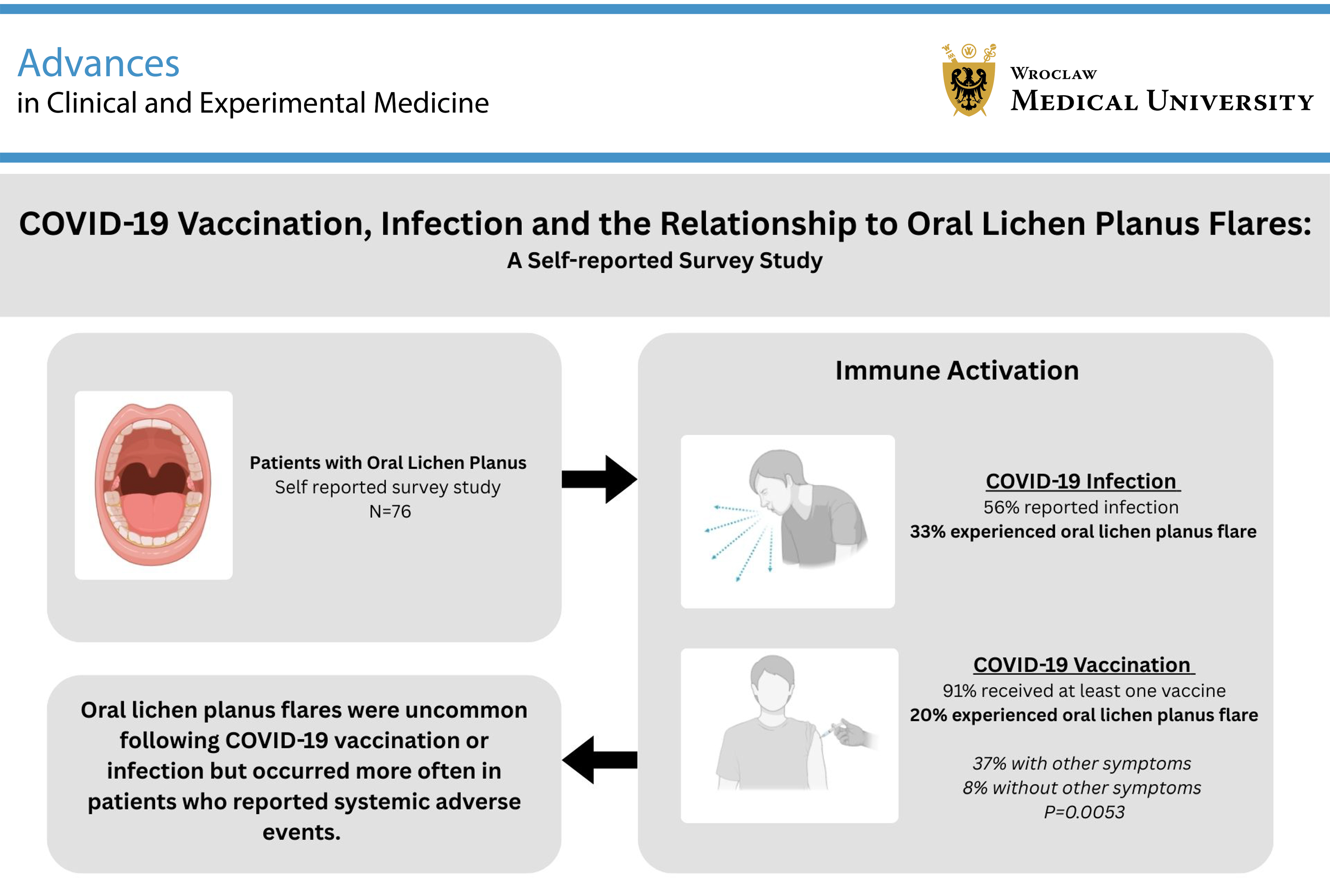
Results. Seventy-six patients participated in the survey. Twenty percent of study participants reported experiencing a flare after COVID-19 vaccination (n = 13), and 33% after an infection (n = 13). Self-reported OLP flares were significantly associated with whether or not participants also reported vaccine side effects (p = 0.005). Among the 27 participants who reported experiencing systemic post-vaccination side effects (tiredness, headache, muscle pain, chills, fever, nausea), 37% (n = 10) also reported an OLP flare compared with 8% (n = 3) of the 38 who did not report systemic side effects from the COVID-19 vaccination. Of the 63 participants who received a 2nd vaccine dose, 21% (n = 13) reported experiencing an OLP flare. Experiencing systemic side effects following the 2nd vaccination was again significantly associated with reporting an OLP flare (p = 0.048).
Conclusions. Overall, OLP flares were not reported at high rates with COVID-19 vaccination or infection. Within these limitations, the findings of the study suggest that participants who experience systemic side effects following a COVID-19 vaccine may be more susceptible to OLP flares. Experiencing an OLP flare following the 1st COVID-19 vaccination was significantly associated with experiencing a flare again after receiving the 2nd vaccination.
Key words: oral mucosal lesions, SARS-CoV-2, oral lichen planus, autoimmune mucosal disease, cytokine activation
Background
Severe acute respiratory syndrome coronavirus 2 (SARS-CoV-2), the virus responsible for COVID-19, is mainly transmitted through respiratory droplets from an infected person during coughing, sneezing, or talking, with an estimated incubation period of 2–14 days, and symptoms may persist following infection for weeks or months.1 In dental settings, aerosol-generating procedures have been recognized as a significant route of potential viral transmission, raising concerns regarding occupational exposure among dental healthcare workers.2 To control the spread of the infection, most countries mandated COVID-19 vaccination, and a large part of the U.S. population has been vaccinated with at least 1 of the U.S. Food and Drug Administration (FDA)-approved COVID-19 vaccines. In response to the pandemic, several vaccines were developed utilizing one of the following technologies: mRNA-based vaccines, inactivated or whole virus vaccines, viral vector-based vaccines, and protein subunit vaccines.3 Among various vaccines, the mRNA-based vaccines were associated with a higher prevalence of local (78.3%) and systemic side effects, including injection site pain, headache/fatigue, muscle pain, malaise, chills, and joint pain.4 Reports of adverse mucocutaneous lesions have emerged in the literature subsequent to COVID-19 vaccination or infection in the past few years.5, 6 Several cutaneous diseases reported following vaccination include vitiligo, pernio, zoster, morphea, bullous dermatoses, alopecia, urticaria, psoriasis, and lichen planus (LP). A new incidence or an exacerbation of cutaneous diseases may be related to the activation of vaccination-induced innate immunity.7 Cutaneous reactions were most frequently observed following vaccination with Pfizer, AstraZeneca, and Moderna vaccines.8 The COVID-19 pandemic also highlighted the importance of infection control measures in dental settings, particularly in relation to aerosol-generating procedures.9
Lichen planus is a chronic inflammatory disorder of unknown etiology that can involve the skin and basal keratinocytes in the epidermis, along with other less well-known antigens.10, 11 Onset of LP has been associated with viral diseases such as hepatitis C.10 A potential association between LP and COVID-19 infection and vaccination has been identified, likely mediated by overstimulation of T cell responses and pro-inflammatory cytokine production. Numerous case reports emerged in the post-COVID-19 pandemic period.5, 6, 12, 13 A recently published review captured case reports and series of 152 post-vaccination LP cases and 12 post-infection cases.14
Besides systemic mucocutaneous adverse effects, reports of adverse oral events in adult individuals emerged following COVID-19 vaccination from many countries. Most reports came from Europe, followed by India, China, Australia, Thailand, Iran, Egypt, Japan, Turkey, Israel, and the USA. These reports of adverse oral events in adult individuals include erosive oral ulcers on the gingiva and palate, burning pain in the mouth, xerostomia, tongue fissuring and glossitis, palatal petechiae, diffuse erythematous lesions and loss of smell, primary herpetic gingivostomatitis, Stevens–Johnson syndrome, Bell’s palsy, erythema multiforme, pemphigus, idiopathic thrombocytopenic purpura, unilateral hypoglossal nerve palsy, trigeminal neuralgia, and oral lichen planus (OLP) (16.3%).15 Additional reports on vaccine-related side effects with oral involvement include conditions such as pemphigus vulgaris, bullous pemphigoid, herpes zoster, and Behçet’s disease.16
The incidence of OLP and oral lichenoid lesions (OLL) was found to be significantly higher in vaccinated patients relative to unvaccinated patients.17 Oral lichen planus has been reported as the most common COVID-19 vaccine-related oral adverse condition.18 It is a subset of LP that manifests in the oral mucosa with various clinical presentations and symptoms, including white reticular or erythematous lesions, papules, plaques, and painful erosions. The classic mild disease presents with symmetrical, well-defined white striations coupled with a sense of mucosal roughness. Pain and discomfort can arise from areas of erosions, ulcerations, atrophy, and desquamation. Spicy and acidic foods can elicit symptoms, and hyposalivation can intensify symptoms. Approximately 2/3 of patients experience discomfort.1 Patients may describe periods of symptom exacerbations as flares. Chronic, severe ulcerative disease can result in reduced mucosal flexibility and limited mouth opening, significantly affecting quality of life.19 Prevailing hypothesized mechanisms of etiopathogenesis of OLP include hypersensitivity and autoimmune reactions.20 Oral lichen planus more frequently affects females and individuals aged >40 years.21 Potential triggers for OLP include: 1) local and systemic factors that induce cell-mediated hypersensitivity; 2) stress; 3) autoimmune response to epithelial antigens; and 4) microorganisms.22 Diagnosis of OLP involves a thorough examination and a biopsy. Histological studies show patterns of hyperparakeratosis, hyperorthokeratosis, and Civatte bodies, as well as lymphocytic infiltration of the lamina propria.23 These microscopic features are similar to those seen in other oral conditions such as lupus erythematosus or lichenoid reactions.24 Direct immunofluorescence serves as a supplementary diagnostic tool in confirming a diagnosis of OLP and distinguishing it from autoimmune blistering diseases, such as mucous membrane pemphigoid and pemphigus vulgaris.25 With no definitive cure for OLP, patient education and regular monitoring are imperative, with the main treatment goal being to reduce the level of inflammation and relieve symptoms.
The literature on the onset of OLP following COVID-19 vaccination is growing. Early publications were limited mostly to case reports and series.5, 23, 26, 27 A growing number of reports of OLP and reviews on adverse mucocutaneous reactions following COVID-19 vaccination have added to the body of evidence.8 Reviews of vaccine-related oral adverse effects indicate that OLP and oral lichenoid reactions represent a recurrent pattern among reported immune-mediated oral manifestations after COVID-19 vaccination, especially in women and recipients of mRNA vaccines.28
Objectives
Less is known about exacerbation of existing OLP following COVID-19 vaccination. Previous studies have explored the potential exacerbation of OLP associated with vaccinations, particularly hepatitis B and influenza vaccines.29, 30 Understanding the relationship between OLP and COVID-19 is important for providing effective patient management and improving care, awareness, and quality of life for patients. This study aimed to determine the self-reported prevalence of OLP flares associated with COVID-19 vaccination or infection. Specifically, it sought to evaluate how various patient characteristics (such as age and gender) and clinical factors (including vaccine brand and response to vaccination) influence the likelihood of experiencing a flare after vaccination. Additionally, this study aimed to gather knowledge about whether patients experience flares after exposure to the virus, and whether vaccination status or patient or clinical factors play a role.
Materials and methods
This cross-sectional survey study included patients with a previous diagnosis of OLP by a board-certified oral and maxillofacial pathologist. The study was conducted as partial fulfillment of the thesis requirements for the master’s degree in dentistry.31 A self-reported survey asked about experiences with COVID-19 vaccination or infection and experiences of flares (oral redness, oral ulcerations, and/or oral pain/discomfort) shortly after infection or vaccination. All work was conducted in accordance with the Declaration of Helsinki. The Institutional Review Board (IRB) at Virginia Commonwealth University (VCU; Richmond, USA) determined that the research study qualified for exemption (approval No. HM20024074). The study population was identified by searching the dental electronic health record system, axiUm (Exan Software, Coquitlam, Canada), for patients of the VCU Oral Medicine Clinic seen within the last year with an ICD-10 diagnosis code for OLP. All patients were over the age of 18. Email invitations were sent to subjects a maximum of 4 times between October 2022 and January 2023. Each email contained a unique link to complete the survey, so only those who had not responded received subsequent email invitations. Participants were informed of the purpose of the study, voluntary participation, anonymous responses, and the time required to take the survey. None of the questions were mandatory, and responses were only stored if the survey was submitted. Partial completion was not captured unless questions were skipped and the respondent submitted an incomplete survey.
Study data were collected and managed using Research Electronic Data Capture (REDCap) electronic data capture tools hosted at Virginia Commonwealth University. REDCap is a secure, web-based application designed to support data capture for research studies, providing: 1) an intuitive interface for validated data entry; 2) audit trails for tracking data manipulation and export procedures; 3) automated export procedures for seamless data downloads to common statistical packages; and 4) procedures for importing data from external sources.32
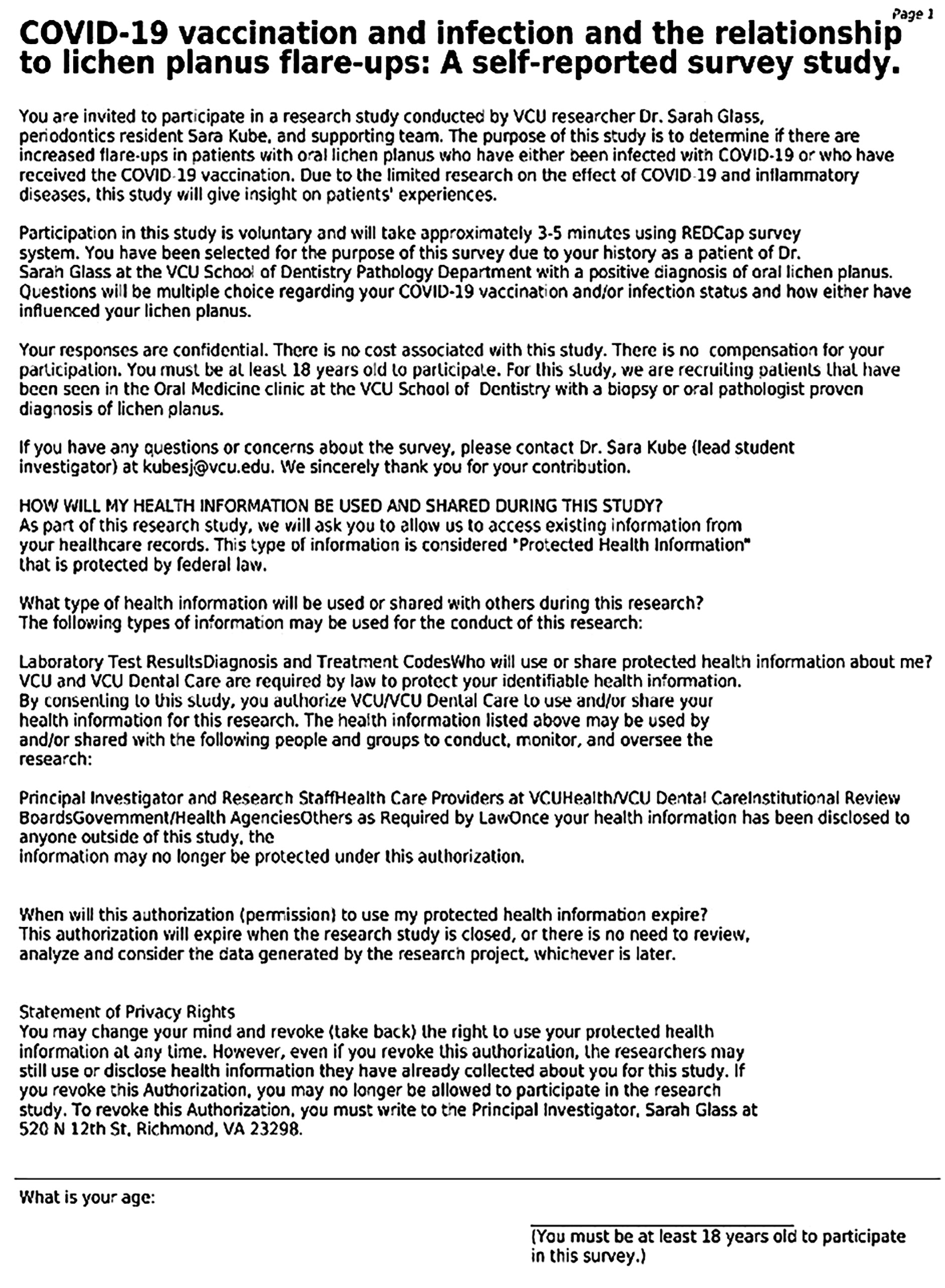
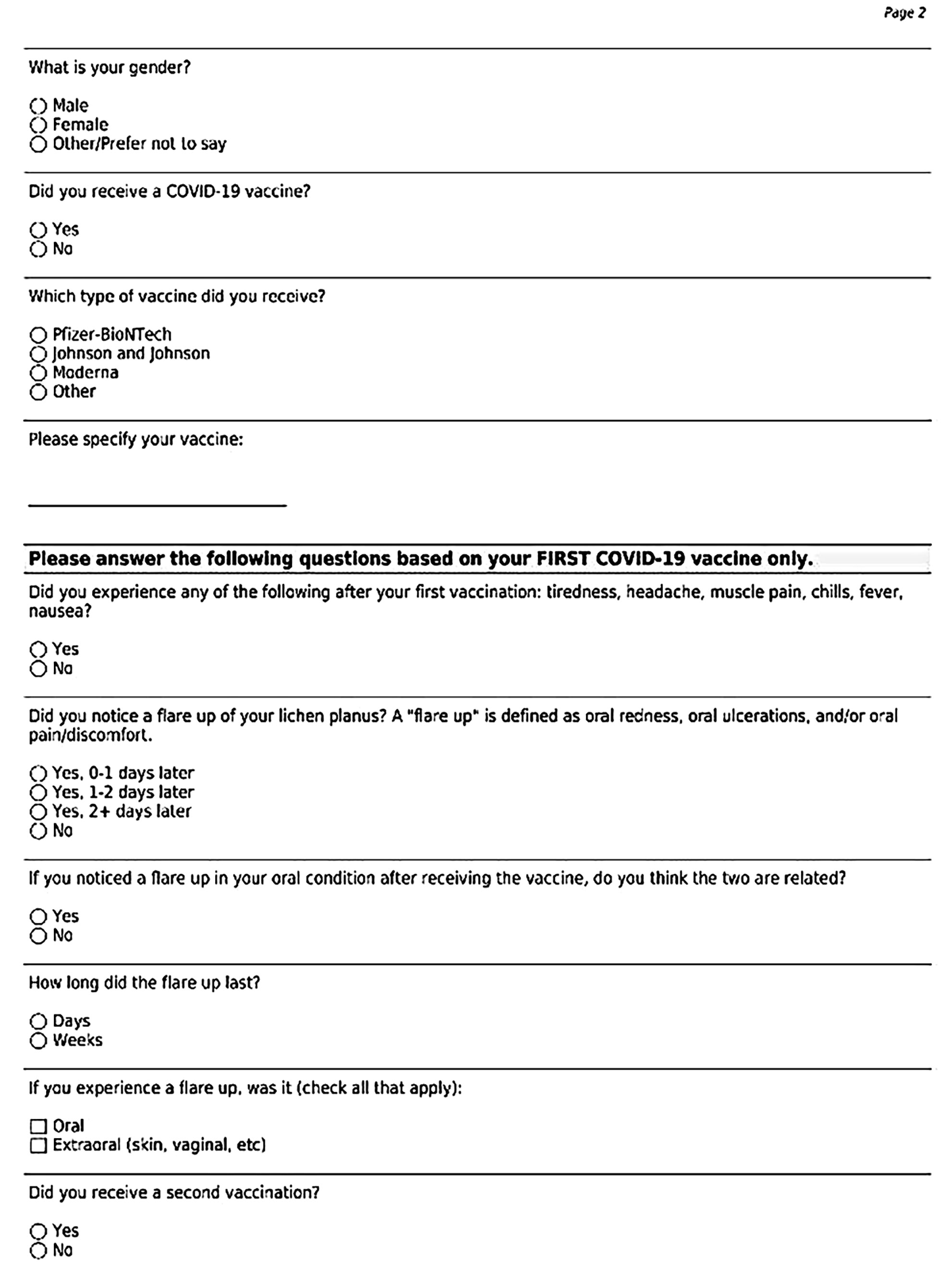
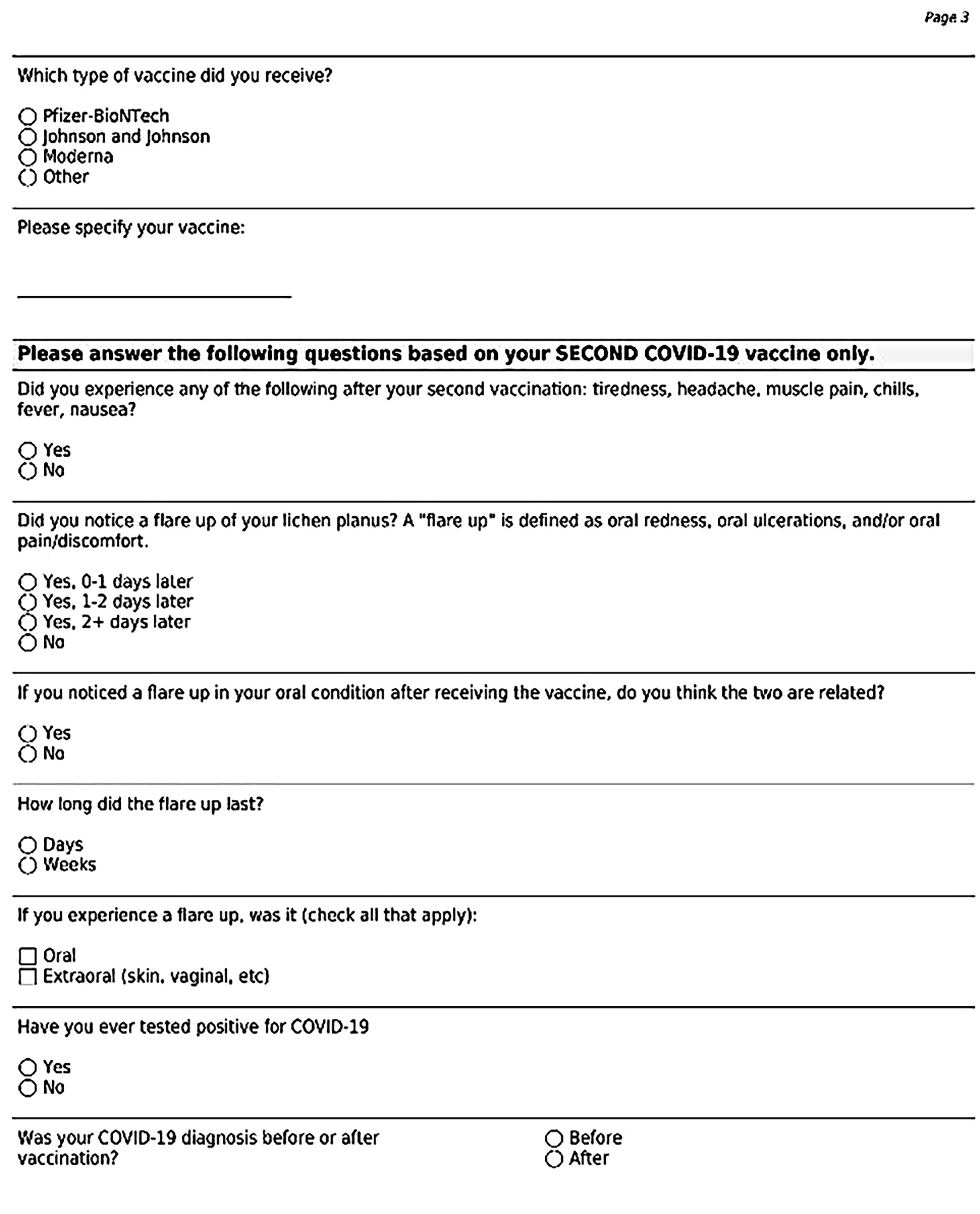
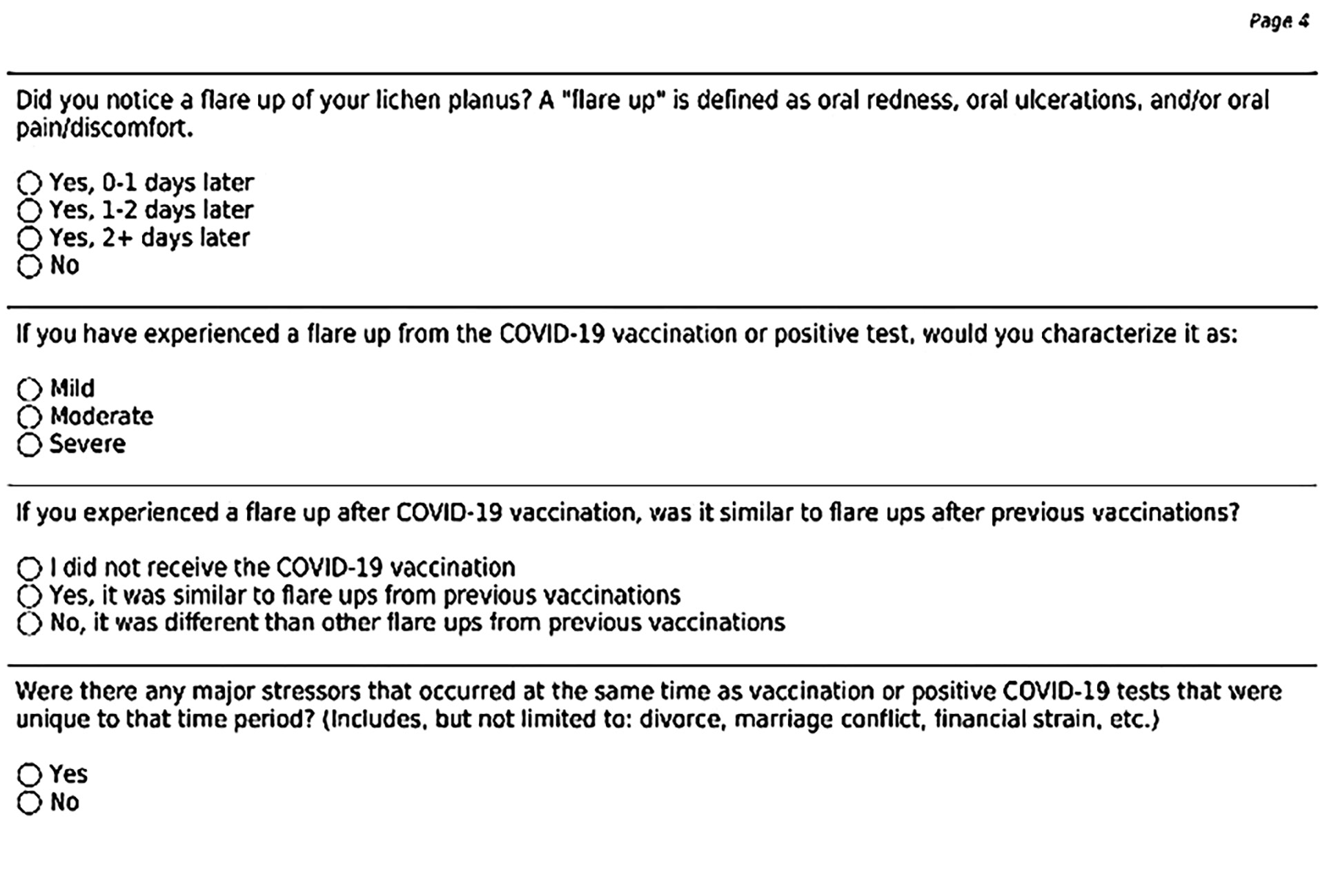
The survey was an original, 11-item questionnaire aimed at gathering preliminary information on patient-reported experiences following COVID-19 vaccination or infection (Figure 1, Figure 2, Figure 3, Figure 4). Before being distributed to patients, the survey was internally tested to determine the completion time and clarity of the questions. The 1st part of this process involved a small group of periodontology residents and non-clinical researchers who were representative of the target population in terms of familiarity with the pathophysiology of OLP. The 2nd evaluation of the survey was conducted by an experienced oral pathologist with extensive experience treating the target patient population and knowledge of OLP. This final review and approval step focused on the clinical validity of the questions and answer choices as well as the overall scope of patient experiences that could be captured by the survey.
The survey questions included demographics, vaccine history, infection history, and experience with OLP flares. Respondents indicated which COVID-19 vaccine they received from the choices: Moderna, Pfizer, Johnson & Johnson, or other. Participants were asked if they experienced “tiredness, headache, muscle pain, chills, fever, nausea” after receiving a vaccination. Those who responded “Yes” to this question were categorized as having experienced side effects from the vaccine. Side effects and OLP flares were separate categories defined by responses to separate questions that clearly delineated an OLP flare from the more common side effects of the vaccines. The severity of a flare was described subjectively by participants as mild, moderate, or severe. Respondents also indicated the extent (oral and/or extraoral), duration (days or weeks), and timing (days since vaccination or infection) of their flare. To distinguish a flare potentially attributable to stress, the survey included a question regarding the participant’s external stressors at the time of vaccination or a positive COVID-19 test. Respondents were able to skip questions, and the survey utilized branching logic to avoid asking participants irrelevant subsequent questions. For example, if participants responded “No” to receiving a 2nd vaccination, they were not asked if they experienced a flare after a 2nd vaccine. Therefore, the number of responses varies by question. All available data were used for each calculation, resulting in varying sample sizes across analyses.
Statistical analyses
Responses were summarized using counts and percentages, or medians and interquartile ranges (IQRs) based on the response format. In order to determine associations between flares and vaccination, assessment with Fisher’s exact test was performed for the following variables: gender, brand of vaccine, whether or not other side effects were reported, and age was assessed using the nonparametric Wilcoxon test. Associations between flares after a positive case were assessed with Fisher’s exact test for gender, vaccination status at the time of the positive test, and whether or not the individual experienced a flare with the 1st or 2nd vaccine, and age was assessed using the Wilcoxon test. The significance level was set at 0.05. SAS EG v. 8.2 (SAS Institute, Cary, USA) was used for all analyses.
The patient pool was based on recruitment from existing patients of record with a previous diagnosis of OLP by a board-certified oral and maxillofacial pathologist, and consisted of 124 patients. Because the patient population included active patients, we anticipated at least a 50% response rate. A sample size of 62 would be able to estimate the prevalence of experiencing a flare within ±0.1 at the 0.05 level with 80% power, assuming that the prevalence of a flare was 20%.
Results
A total of 124 participants were identified in the dental records, and 76 responded to the survey, resulting in an overall response rate of 61%. The median age of participants was 70.5 years and ranged from 21 to 91 years. The majority were female, accounting for 76% (n = 58), and the remaining 24% were male (n = 18). Demographics are included in Table 1.
Most participants (n = 69, 91%) indicated that they had received at least 1 COVID-19 vaccine, with the most common being Moderna (n = 29, 37%) and Pfizer (n = 37, 49%). A small number also reported receiving the Johnson & Johnson vaccine (n = 2, 3%), and 1 was unsure. There were 7 (9%) participants who reported not receiving any vaccines. A slightly lower percentage reported receiving a 2nd dose of the vaccine (n = 63, 83%). More than half of the participants reported testing positive for COVID-19 at least once (n = 42, 56%) (Table 1).
Overall, a total of 24 patients reported experiencing at least 1 flare (32%, 95% confidence interval (95% CI): 21.4–43.3%). Thirteen participants reported a flare after receiving their 1st vaccine (20%). Of those, 6 indicated that the flare began 2 or more days later, 5 felt it began within 1–2 days, and 2 responded that it began within 0–1 day. Half of the participants believed that the flare was related to the vaccine (n = 6, 50%) (Table 2). Self-reported flares were significantly associated with whether or not side effects were also reported (p = 0.005). Among those who reported experiencing side effects (tiredness, headache, muscle pain, chills, fever, nausea), 37% (n = 10) also reported a flare compared with 8% (n = 3) of those who did not report side effects. There was also marginal evidence of an association between the type of vaccine and flares, with 32% (n = 9) of those who indicated that their vaccine was Moderna compared with 11% (n = 4) of those who reported Pfizer (p = 0.113). Neither of the 2 individuals who reported receiving the Johnson & Johnson vaccine also indicated experiencing a flare (Table 3).
Of the 63 participants who reported receiving a 2nd vaccine, 13 reported experiencing a flare (21%). Similarly, most indicated that the flare started at least 1 day following vaccination, and about half felt that it was related to the vaccine (n = 6, 46%) (Table 2). Again, experiencing side effects was significantly associated with reporting a flare (p = 0.048). Among those who reported side effects, 36% (n = 8) reported a flare compared with 13% (n = 5) of those who did not indicate experiencing side effects. Those who experienced a flare with their 1st vaccine were significantly more likely to experience a flare with the 2nd vaccine (p < 0.001). Among those who reported a flare with their 1st vaccine, 75% (n = 9) also reported a flare with their 2nd, compared with 8% (n = 4) of those who did not report a flare with the 1st vaccine dose (Table 4).
Of the 40 participants who reported testing positive for COVID-19, 33% indicated experiencing a flare at the time of their infection (n = 13). The majority reported that the flare began 2 or more days later (n = 9, 69%). Most of the infections occurred after vaccination (n = 29, 73%). Experiencing a flare after the 2nd vaccination was significantly associated with reporting a flare during an infection (p = 0.003). Among those who experienced a flare with their 2nd vaccine, 86% (n = 6) also experienced a flare with the infection compared with 20% (n = 5) of those who did not experience a flare with their 2nd vaccination. Vaccination status at the time of infection was not significantly associated with reporting a flare (p = 0.432). Among participants who tested positive for COVID-19 before receiving a vaccine (i.e., unvaccinated COVID-19 cases), 44% (n = 4) reported experiencing a flare associated with the corresponding COVID-19 infection. In comparison, 29% (n = 8) of those who tested positive after being vaccinated (i.e., vaccinated COVID-19 cases) reported a flare associated with the infection (Table 5).
Discussion
COVID-19 vaccines were approved by the FDA in 2020 and reported >94% effectiveness in preventing COVID-19 for 119 days.33 Vaccines, however, can produce side effects at the injection site and systemically. Side effects caused by Moderna and Pfizer vaccines begin within the 1st day and present similarly following the initial and 2nd vaccination.34 The mRNA-based vaccines have been associated with a higher prevalence of local and systemic side effects,3 and of the 2 mRNA-based vaccines, a lower incidence has been reported for the Pfizer vaccine.21 Most participants in this study received Moderna or Pfizer vaccines, both 2-dose vaccines with the 2nd dose administered 3–4 weeks following the initial vaccination. Participants in this study receiving the Moderna vaccine were more likely to report side effects than those receiving other vaccines. Our findings further align with published reports of less than 50% of patients experiencing systemic side effects following the 1st and 2nd vaccinations, most commonly reporting a sore arm, lethargy, body aches, and swelling.34 A majority (91%) of the participants had received at least 1 COVID-19 vaccine at the time of this survey, and most had also received the 2nd vaccination. This limits the data available for characterizing the relationship between OLP and COVID-19 infection among the unvaccinated population, making it difficult to draw robust comparisons. The 61% response rate from the identified cohort of OLP patients was high for a self-report survey, suggesting good engagement from the target population. Over 50% of participants reported that they had at some point tested positive for COVID-19; however, this was a cross-sectional study and included a sample of a more susceptible group of participants.
A potential association between OLP and COVID-19 infection and vaccination has emerged since the pandemic, and our study explored this association. Evidence suggesting OLP/OLL lesions arising after COVID-19 vaccination is mostly based on case reports and series regarding exacerbation of OLP or lichenoid lesions after COVID-19 immunization. Several case reports described patients experiencing oral symptoms suggestive of OLP after receiving a COVID-19 vaccine,35, 36 even with histopathologically confirmed OLP within a week of the administration of the COVID-19 vaccination.27 Consistent with already published evidence, over half of the participants in this study reported a flare after the 2nd vaccination and experienced symptoms for weeks.
Flares occurred almost exclusively in the oral cavity, with 1 respondent reporting an extraoral presentation. The definition of an OLP flare (oral redness, ulcers, pain, discomfort) is subjective and relies on patient interpretation, which may vary. Although the diagnosis of OLP was confirmed, the flares themselves were self-reported and not clinically verified by a healthcare provider at the time of their occurrence. The lack of clinical confirmation of flare episodes represents the study’s most significant weakness. Although participants provided detailed descriptions of their symptoms, no real-time assessment or photographic documentation was available. This limits diagnostic certainty and reduces the ability to distinguish true OLP exacerbations from other oral conditions, such as traumatic ulcers, lichenoid reactions, or nonspecific mucosal inflammation. This introduces variability in how patients interpreted redness, ulceration, and discomfort and may lead to both under- and over-reporting of flare events. Consequently, the strength of associations observed in this study should be interpreted with caution, as patient-reported outcomes may not fully reflect clinically validated disease activity. In other studies, cutaneous reactions occurred on average 2–3 weeks following injection of the COVID-19 vaccines.12 Nonlocal cutaneous adverse events were reported within the first 10 days following COVID-19 vaccination.37 The development of OLL/OLP within 6 days following COVID-19 vaccination with mRNA- and adenovirus vector-based vaccines established the association of OLP/OLL as a rare adverse drug reaction to COVID-19 vaccines, especially to mRNA vaccines.17 The discrepancies in the onset of adverse reactions may be related to different study populations and vaccine types.
The observation that systemic adverse events correlate with OLP flares supports the hypothesized immunopathogenesis. The consistent association between systemic post-vaccination adverse events and OLP flares further supports the hypothesis that heightened immune activation – rather than psychological stress – may act as a trigger in susceptible individuals. This aligns with the current understanding of the immunopathogenesis of OLP, in which dysregulated T-cell activity and pro-inflammatory cytokine release play central roles. Vaccinations take advantage of the humoral immune response by activating T and B cells to promote adaptive immunity. Although not fully understood, the etiology of OLP is theorized to be a cell-mediated process involving T cells as the main drivers of pathogenesis.38 The primary cell population within OLP lesions consists of CD4+ and CD8+ T cells. Once an antigen has been presented by dendritic cells in the innate immune system, T cells respond instantaneously. Observations suggest that patients who receive vaccines may be significantly more at risk of developing OLL/OLP lesions compared with those who were unvaccinated and had COVID-19 exposure. This is likely due to the stronger spike in viral proteins following vaccination and the initiation of a dysregulation that enables the pathogenesis of OLL/OLP.17 The immune response to 2 doses of the BNT162b1 SARS-CoV-2 vaccine, compared with natural immunity, resulted in robust antibody production with significantly higher levels of antibodies compared with the unvaccinated group recovering from the disease. Serum-neutralizing antibody levels against COVID-19 were consistently up to 3.5 times higher in vaccinated patients than in the control population, even 43 days after vaccination.39
The comprehensive 11-item survey collected detailed information on vaccination history, infection status, systemic adverse events, and characteristics of OLP flares, but did not capture all information potentially related to OLP and the immune activation process, such as other immunopathological diseases or vitamin D levels. Importantly, the survey did not capture information on systemic immune status, autoimmune comorbidities, vitamin D levels, or other immunopathological conditions. Vitamin D deficiency has been implicated both in altered immune function and in the clinical course of OLP40 and COVID-19,41 and may influence susceptibility to flare events. The absence of these data represents a meaningful limitation and highlights the need for future studies integrating laboratory markers and systemic health variables.
Psychological disorders and increased stress may be associated with OLP. Anxiety and depression are suggested as possible triggers for exacerbation of OLP.42 Patients with healthy coping mechanisms, independent of gender, are less susceptible to OLP and the occurrence of flares.43 As the majority of participants reported no major life stressors occurring at the time of an OLP flare in our survey, stress was deemed unlikely to have contributed significantly to the etiology of the flares. Consequently, direct immune activation from the vaccine or infection may have been the primary driver associated with OLP flares in this cohort.
The demographic characteristics of participants in this study are not consistent with the literature reporting that OLP occurs most frequently in females over the age of 30.20 Males were more likely to experience a flare than females. Although the overall rate of OLP flares after vaccination or infection was not high, the identified associations highlight a vulnerable subgroup of patients with OLP for whom these events are clinically significant. Almost ¾ of the patient population reported COVID-19 infection after vaccination and, of those with infection, 32% reported a flare. One-fifth of the patients reported a flare after the 1st vaccination. Patients susceptible to systemic side effects after vaccination were significantly more likely to experience an OLP flare, accounting for 37% of participants. Those who reported a flare with the 1st vaccination were more likely to report it also following the 2nd vaccination and COVID-19 infection, and the relationship was statistically significant. Despite the low incidence, it is important to emphasize the monitoring of oral health in patients with OLP after COVID-19 vaccination or infection. Clinicians may use this information to communicate to patients who are vulnerable to lengthy periods of exacerbations of OLP that there is a risk of exacerbation of oral lesions after immunization. Informing patients with a history of post-vaccination flares about this increased risk of relapse may help them manage expectations when receiving new vaccinations and prepare accordingly. A consensus statement from the American College of Rheumatology (ACR) can be used as a reference for practitioners advising patients regarding COVID-19 vaccination; it suggests that despite limited evidence, patients with rheumatic and musculoskeletal conditions may be at risk of a flare event after receiving COVID-19 immunization.44
Limitations of the study
This study relied on self-reported data, which carries several limitations. The main limitation is the reliance on self-report data, as the survey was conducted over a year after the vaccines first reached the public, which could skew the results due to participants’ memory. This could have introduced potential recall bias regarding the timing, duration, and even occurrence of OLP flares and systemic adverse events. The participants may remember a flare occurring after the vaccination; however, they may not correctly recall details of the time or duration precisely or may not attribute flares accurately. Although associations were found, a prospective study would provide stronger evidence. The cross-sectional nature of the study limits the ability to definitively establish causality, as it only explored the relationship between flares and COVID-19 in those already diagnosed with OLP. The study population was drawn from a single oral medicine clinic, which may limit the generalizability of the results to broader OLP populations with distinct demographic or clinical profiles. Because all participants were recruited from a single academic oral medicine clinic, the findings may not be fully generalizable to community settings or diverse patient populations with different demographic or clinical profiles. Selection bias resulting from the inclusion of participants who experienced OLP flares or significant adverse events may have potentially overestimated the incidence of flares and introduced response bias among participants affected by OLP flares. In addition, patients who previously experienced significant flares or systemic adverse events may have been more motivated to respond, introducing both selection and response bias. This could artificially elevate the observed prevalence of reported flares compared with the broader OLP population. Studies looking at the development of lichenoid mucositis following COVID-19 infection or vaccination would be helpful to further characterize the relationship and could include patients with other oral conditions such as pemphigus vulgaris, mucous membrane pemphigoid, and lupus erythematosus.
Conclusions
The results of this study suggest that there is a low rate of OLP exacerbations following COVID-19 vaccination or infection. Oral lichen planus patients who experience systemic adverse events after COVID-19 vaccination are at a significantly increased risk of OLP flares. This suggests that a strong immune response, whether from vaccination or infection, may trigger OLP flares. An OLP flare after the 1st COVID-19 vaccination significantly increases the likelihood of a flare after the 2nd vaccination, as well as during a subsequent COVID-19 infection. Clinicians should inform patients with a history of post-vaccination flares about this increased risk of relapse.
Data Availability Statement
Virginia Commonwealth University (VCU) did not grant permission for the data to be shared publicly; thus, due to the sensitive nature of the research, the supporting data are not available.
Consent for publication of personal information
Not applicable.
Use of AI and AI-assisted technologies
Not applicable.