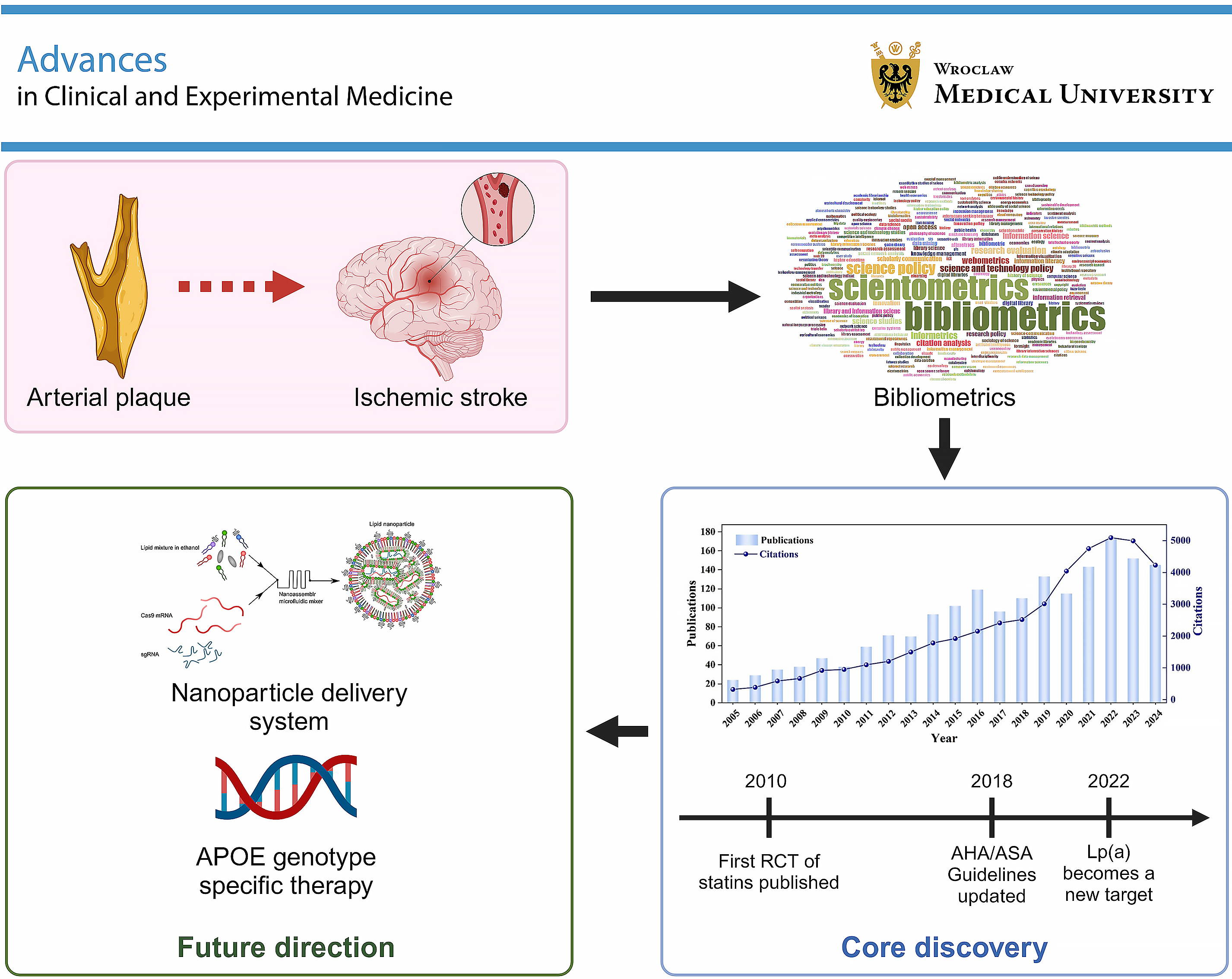
Abstract
Dyslipidemia has been identified as an important modifiable risk factor for ischemic stroke (IS); however, inconsistent findings have limited its translational application. This study aimed to integrate scientometric and meta-analytic approaches to provide a comprehensive understanding of lipid abnormalities in IS. A scientometric analysis of 1,962 publications published between 2005 and 2024 revealed evolving research trends, ranging from traditional studies of lipid metabolism to investigations of molecular mechanisms involving high-density lipoprotein (HDL) dysfunction, lipidomics, and precision prevention. A meta-analysis of 13 eligible studies demonstrated that patients with IS had significantly higher levels of total cholesterol (TC; mean difference (MD) = 0.94 mmol/L, 95% confidence interval (95% CI): 0.36–1.52), triglycerides (TG; MD = 0.37 mmol/L, 95% CI: 0.19–0.55), and low-density lipoprotein cholesterol (LDL-C; MD = 0.66 mmol/L, 95% CI: 0.33–0.99), as well as lower levels of high-density lipoprotein cholesterol (HDL-C; MD = −0.30 mmol/L, 95% CI: −0.41 to −0.18), with all comparisons reaching statistical significance (p < 0.001). These findings indicate a strong association between dyslipidemia and the risk of IS. The integration of bibliometric and quantitative evidence underscores the importance of comprehensive lipid screening and management in stroke prevention and provides a dual-framework model linking academic research trends with clinical decision-making.
Key words: dyslipidemia, ischemic stroke, evidence synthesis, precision prevention, lipid markers
Introduction
Ischemic stroke (IS) is a leading global cause of death and long-term disability, accounting for approx. 85% of all stroke cases worldwide.1, 2 According to the World Health Organization (WHO), stroke is the 2nd leading cause of death globally, with approx. 6 million deaths annually attributed to stroke, of which about 85% are due to IS.3 With the ongoing aging of the global population, the incidence of stroke is expected to increase further.4 Dyslipidemia, particularly characterized by elevated total cholesterol (TC), elevated triglycerides (TG), low levels of high-density lipoprotein cholesterol (HDL-C), and elevated low-density lipoprotein cholesterol (LDL-C), has been identified as a modifiable and measurable risk factor for both cardiovascular and cerebrovascular diseases.5, 6, 7, 8 Despite extensive research, inconsistencies remain regarding the role of lipid abnormalities in the development of IS. These inconsistencies may be attributable to differences in study design, sample size, ethnic background, and diagnostic criteria. Importantly, there remains a lack of integration between macro-level research trends and quantitative clinical evidence.9, 10
Scientometric analysis has emerged as a powerful tool for mapping the evolution of research and identifying emerging research hotspots,11 while meta-analysis provides a statistical synthesis of findings across studies.12, 13 However, few studies have combined these approaches14 to provide a comprehensive overview of the relationship between dyslipidemia and stroke.15, 16, 17 Although multiple epidemiological studies have reported that elevated LDL-C and TG levels are associated with an increased risk of stroke, the precise magnitude of their contribution and the interactions among lipid subtypes remain unclear. Moreover, recent molecular and lipidomic studies suggest that HDL functionality, rather than its absolute concentration, may play a critical role in vascular protection. These findings highlight the need for an updated synthesis that bridges clinical and molecular perspectives.
Globally, differences in diet, genetics, and access to healthcare have contributed to geographic variations in lipid profiles and stroke patterns. For example, Asian populations tend to exhibit higher TG levels and lower HDL-C levels than Western populations, potentially modifying the strength of the association between dyslipidemia and stroke. In addition, the widespread use of statins and other lipid-lowering therapies has highlighted the importance of understanding how treatment may modify risk estimates in contemporary prevention strategies.
From the perspective of research evolution, scientometric methods can capture shifts in academic priorities, ranging from atherosclerosis and oxidative stress to precision medicine, lipidomics, and artificial intelligence (AI)-assisted risk modeling. Integrating these bibliometric trends with quantitative meta-analytic evidence provides a dual framework for interpreting both the evolution of scientific knowledge and its clinical relevance.
Therefore, a combined scientometric and meta-analytic approach is needed to comprehensively evaluate the relationship between lipid abnormalities and IS. Such an approach not only identifies the most influential contributors and emerging research topics but also quantifies the overall strength of evidence across populations and study designs.
Objectives
This study aimed to address this gap by integrating scientometric and meta-analytic approaches to: 1) map global research trends in lipid-related stroke research; 2) assess the pooled associations between lipid markers and the risk of IS; and 3) identify implications for precision prevention and clinical decision-making. This dual-framework approach provides a more comprehensive understanding of both developments in the scientific literature and clinically actionable evidence in this field.
Materials and methods
Scientometric data collection and analysis
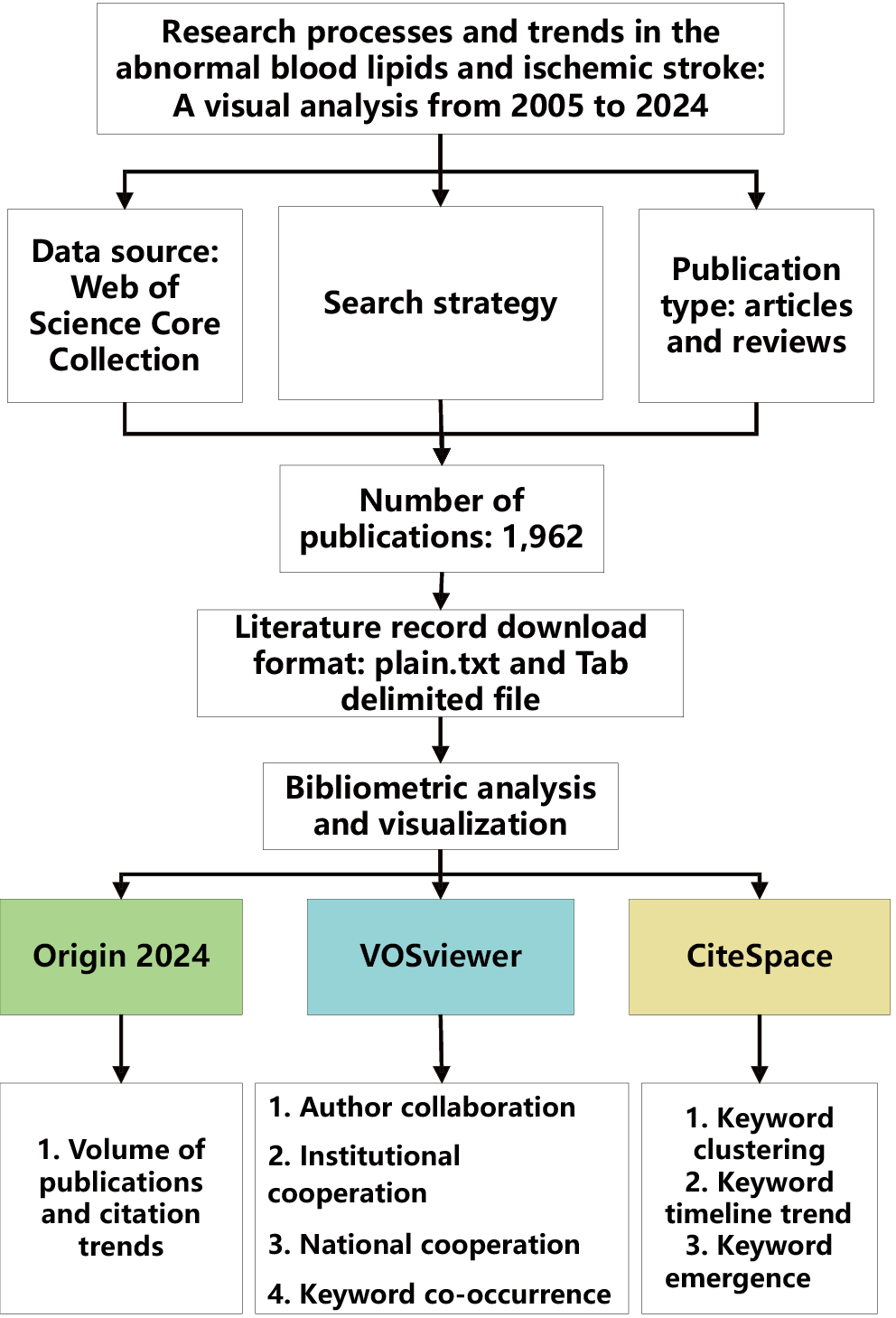
A scientometric analysis was conducted using the Web of Science Core Collection database. Literature published between January 1, 2005, and October 10, 2024, was retrieved. The search strategy was based on the following query: TS = (“hyperlipidemia” OR “dyslipidemia” OR “high cholesterol” OR “high triglycerides”) AND (“ischemic stroke” OR “cerebral infarction” OR “cryptogenic stroke”). Only original articles and review articles published in English or Chinese were included. Other publication types, such as editorials, letters, and conference abstracts lacking complete data, were excluded. To ensure the inclusion of influential publications, a minimum citation threshold of 10 citations was applied. Records lacking substantive academic content were also excluded. Following the screening process, 1,962 eligible publications were included in the scientometric analysis and visualization. CiteSpace v. 6.1.R6 (Drexel University, Philadelphia, USA; https://citespace.podia.com) and VOSviewer v. 1.6.20 (Centre for Science and Technology Studies, Leiden University, the Netherlands; https://www.vosviewer.com) were used to construct keyword co-occurrence networks, collaboration maps of authors and institutions, and thematic evolution pathways. These analyses enabled the identification of research hotspots, influential contributors, and emerging trends in the field of dyslipidemia and IS (Figure 1).
Meta-analysis literature search
A systematic literature search was conducted in four databases: PubMed, Web of Science, Chinese National Knowledge Infrastructure (CNKI), and Wanfang, from inception to December 2024. The search strategy incorporated both MeSH/Emtree terms and free-text keywords related to dyslipidemia and IS. Boolean operators (AND/OR) were used to combine search terms. An example of the PubMed search strategy was as follows: (“Dyslipidemias”[MeSH] OR dyslipid* OR hyperlipid* OR hypercholesterolemia) AND (“Ischemic Stroke”[MeSH] OR cerebral infarct*) AND (“Risk Factors”[MeSH] OR association OR correlation). Eligible studies included observational studies and randomized controlled trials (RCTs) involving adult participants (≥18 years) with IS diagnosed according to internationally recognized criteria, such as the Trial of Org 10172 in Acute Stroke Treatment (TOAST) classification. All included studies were required to report quantitative lipid parameters, including TC, TG, LDL-C, and HDL-C together with mean values and standard deviations (SDs). Articles published in English or Chinese were considered eligible. Studies were excluded if they involved hemorrhagic stroke, transient ischemic attack (TIA), or animal models; lacked usable quantitative data (e.g., reported only p-values without means or SDs); or were duplicate publications. Studies with inadequate reporting of potential confounding factors were also excluded. The entire review process was conducted in accordance with the Preferred Reporting Items for Systematic Reviews and Meta-Analyses (PRISMA) guidelines to ensure the transparency and reproducibility of the search and study selection procedures.
Data extraction and quality assessment
Both reviewers independently extracted the following data from each eligible study: author(s), year of publication, country, sample size, participant age, diagnostic criteria, and reported lipid parameters. Any disagreements were resolved through discussion and consensus between both reviewers. Study quality was assessed using the Cochrane Risk of Bias Tool (https://methods.cochrane.org/bias). The assessment included domains such as random sequence generation, allocation concealment, blinding, incomplete outcome data, selective reporting, and other potential sources of bias.
Statistical analyses
Meta-analyses were conducted using RevMan v. 5.4 (Nordic Cochrane Centre, Cochrane Collaboration, Copenhagen, Denmark) and R (R Foundation for Statistical Computing, Vienna, Austria: meta and metafor packages; https://cran.r-project.org/web/packages/meta/index.html and https://cran.r-project.org/web/packages/metafor/index.html). Mean differences (MDs) and 95% confidence intervals (95% CIs) were calculated for lipid levels between IS patients and controls using random effects models due to expected heterogeneity. Heterogeneity was quantified using the I2 statistic and Tau2, with I2 >50% considered substantial. Sensitivity analyses were performed by sequentially omitting studies. Publication bias was assessed using funnel plots and Egger’s regression test (p < 0.05 indicating bias).
Results
Scientometric findings
Global publication trends and research focus
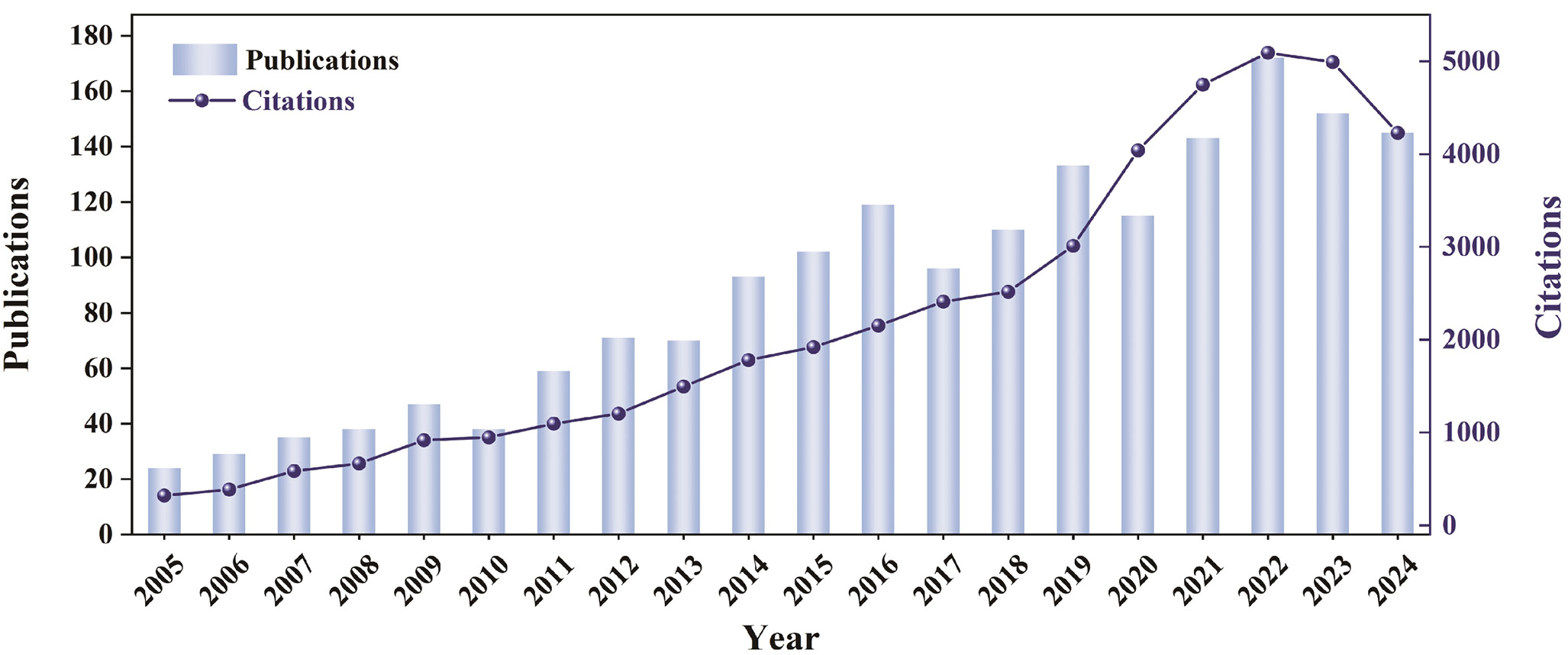
From 2005 to 2024, publications on dyslipidemia and IS increased steadily, peaking in 2022 with 172 articles (Figure 2). Early studies focused on atherosclerosis and cardiovascular risk, whereas more recent research has emphasized precision lipid management, personalized prevention, and secondary stroke risk reduction. China and the USA led global research output, accounting for more than 48% of all publications. Chinese studies prioritized large-scale epidemiological surveillance, while U.S. institutions advanced mechanistic and translational research. Representative journals included Stroke, Journal of Stroke and Cerebrovascular Diseases, and Atherosclerosis.
Author and institutional networks
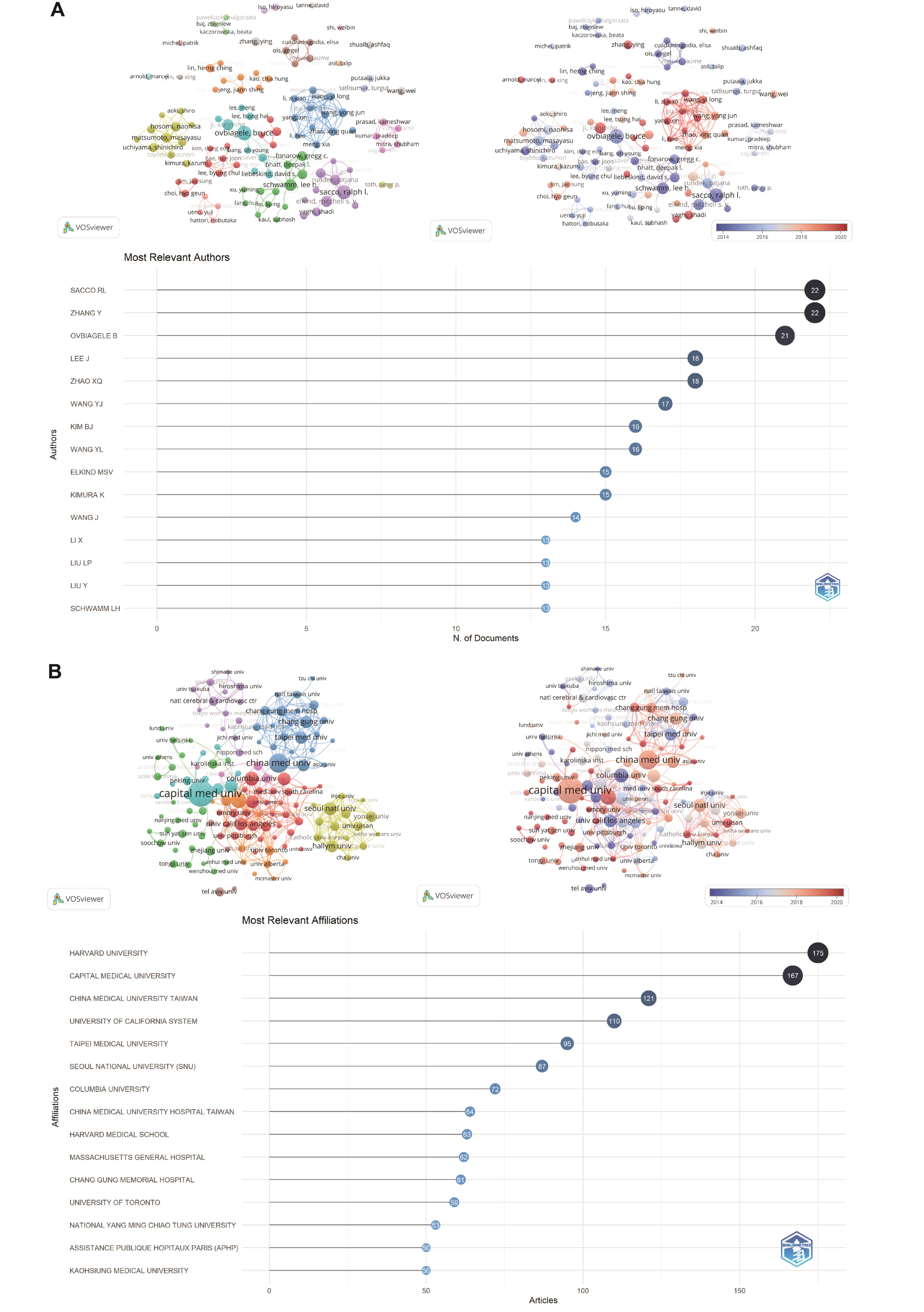
Author collaboration mapping revealed tightly connected author clusters centered on Bruce Ovbiagele, Ralph Sacco, and Lee Schwamm, and the most relevant authors were also summarized (Figure 3A). Institutions such as Capital Medical University (Beijing, China) and Harvard Medical School (Cambridge, USA) served as key hubs in translational research collaboration (Figure 3B). Chinese–U.S. collaborations accounted for more than 28% of all co-authored studies (Supplementary Fig. 1).
Thematic evolution and keyword clusters
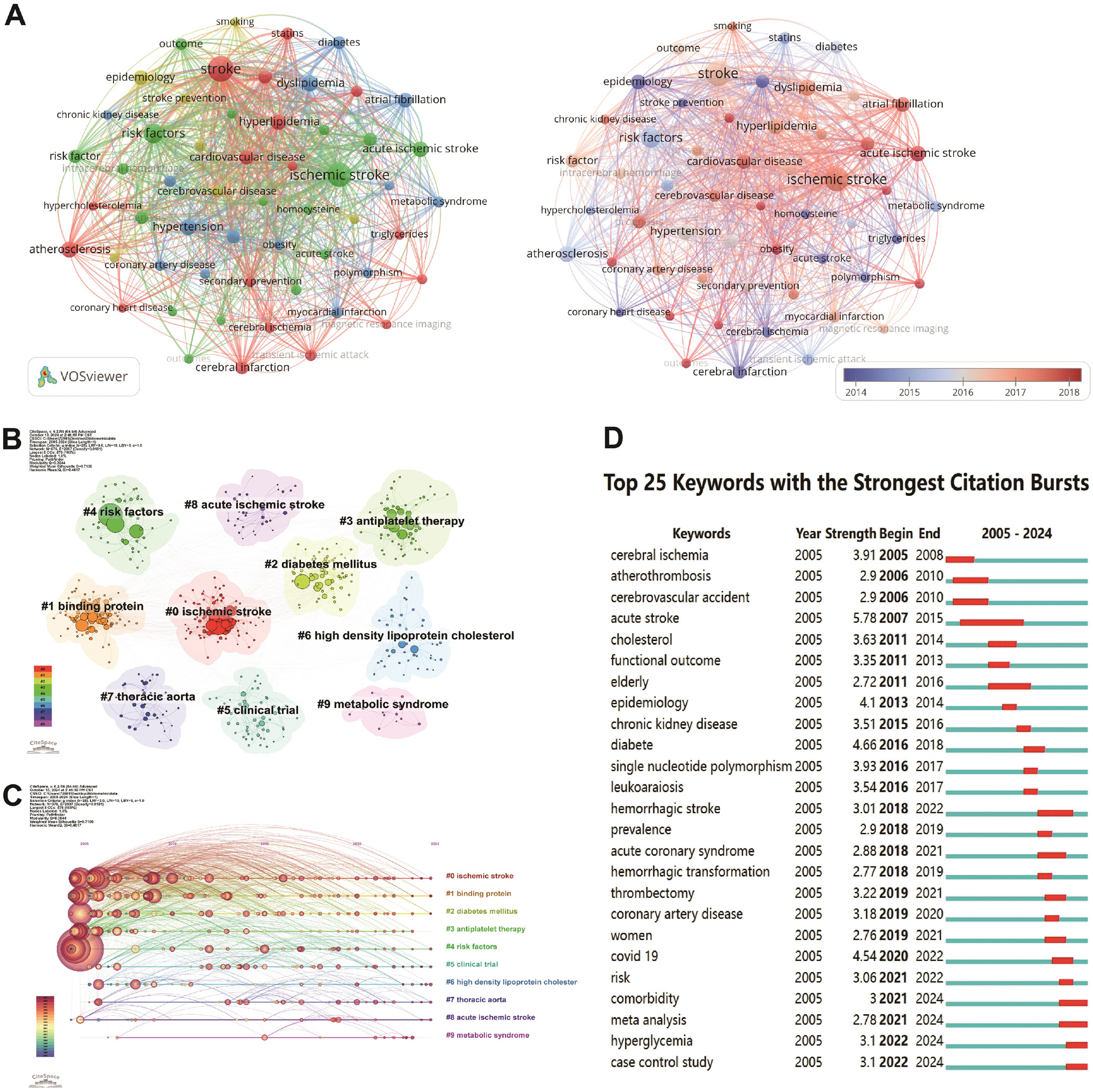
Keyword co-occurrence analysis (Figure 4) identified 3 major phases: 1. 2005–2012: Focused on “atherosclerosis,” “LDL,” and “acute ischemic stroke”. 2. 2013–2018: Expanded to include “diabetes,” “metabolic syndrome,” and “statin therapy”. 3. 2019–2024: Shifted toward “HDL dysfunction,” “machine learning,” and “COVID-19-related vascular inflammation”. Detailed keyword clusters and silhouette values are summarized in Supplementary Table 3. These thematic shifts reflect the maturation of the field from foundational pathological mechanisms toward individualized, data-driven prevention.
Meta-analytical findings
Study selection and characteristics
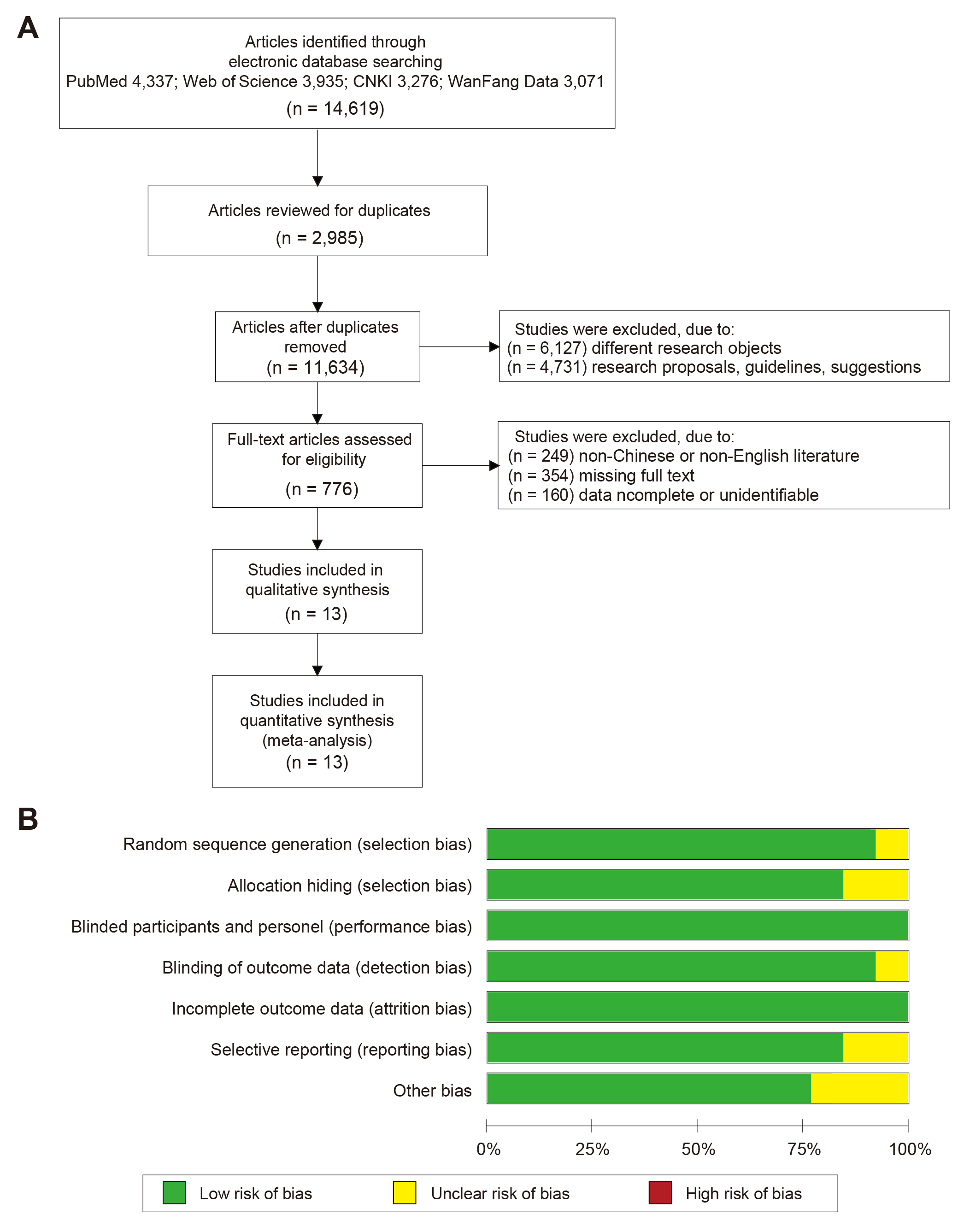
Of the 14,619 records retrieved, 13 eligible studies were included in both the qualitative synthesis and quantitative meta-analysis in the final analysis (Figure 5A). Key study characteristics, including sample size, diagnostic criteria, and lipid parameters, are detailed in Supplementary Table 4.18, 19, 20, 21, 22, 23, 24, 25, 26, 27, 28 Most studies were hospital-based and involved adult patients with IS diagnosed using computed tomography/magnetic resonance imaging (CT/MRI) and the TOAST criteria (Supplementary Table 4). Quality assessment (Figure 5B) indicated a low-to-moderate risk of bias across the evaluated domains.
Lipid abnormalities in ischemic stroke: Pooled results
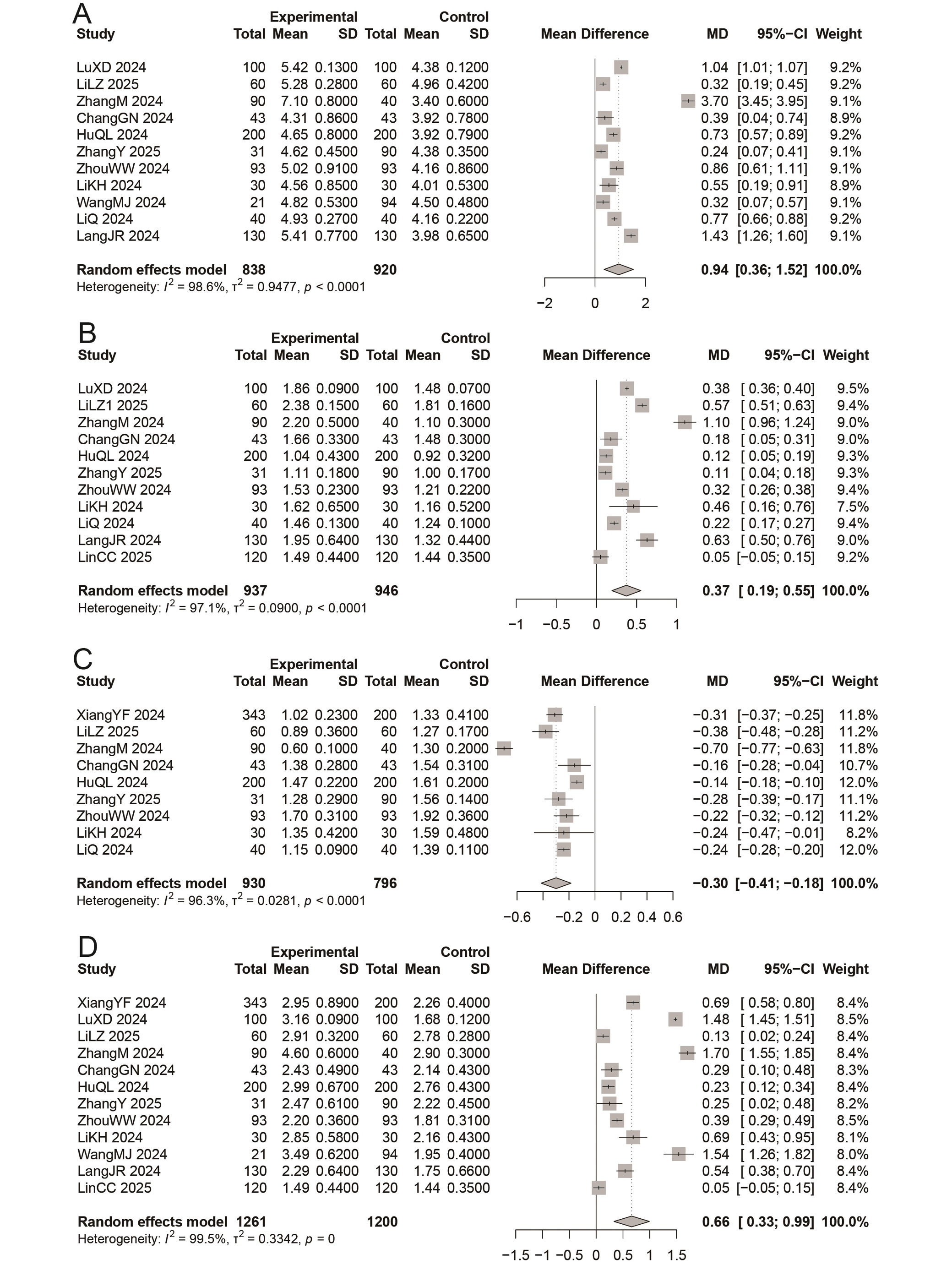
Meta-analysis revealed significant differences in lipid levels between patients with IS and healthy controls (Figure 6). The pooled mean difference (MD) for TC was 0.94 mmol/L (95% CI: 0.36–1.52, p < 0.001), while TG levels were higher by 0.37 mmol/L (95% CI: 0.19–0.55, p < 0.001). Low-density lipoprotein cholesterol levels were elevated by 0.66 mmol/L (95% CI: 0.33–0.99, p < 0.001), whereas HDL-C levels were lower by −0.30 mmol/L (95% CI: −0.41 to −0.18, p < 0.001). Overall, these results demonstrate that dyslipidemia is significantly associated with an increased risk of IS, highlighting the importance of comprehensive lipid management in stroke prevention. Forest plots illustrating these findings are presented in Figure 6.
Heterogeneity and effect modifiers
Substantial heterogeneity was observed in all analyses (I2 >90%). Potential sources of heterogeneity mainly included ethnic variations and regional differences in baseline lipid profiles, differences in stroke subtypes (e.g., large-artery vs small-vessel disease), timing of lipid measurement (acute vs recovery phase), statin use, and comorbidity profiles. These confounding factors are likely contributors to between-study variability, although the direction of the observed effects remained consistent.
Sensitivity analysis and publication bias
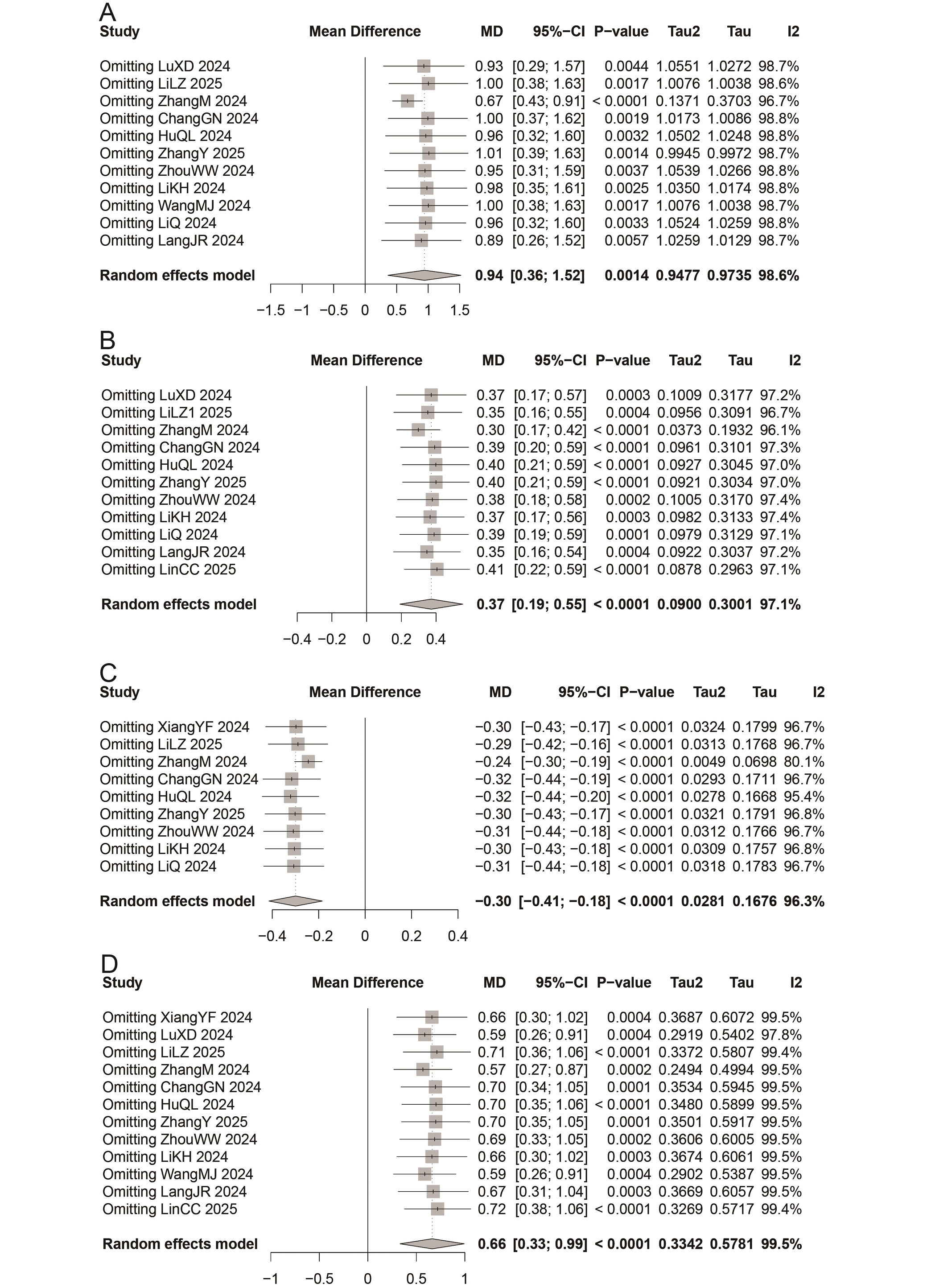
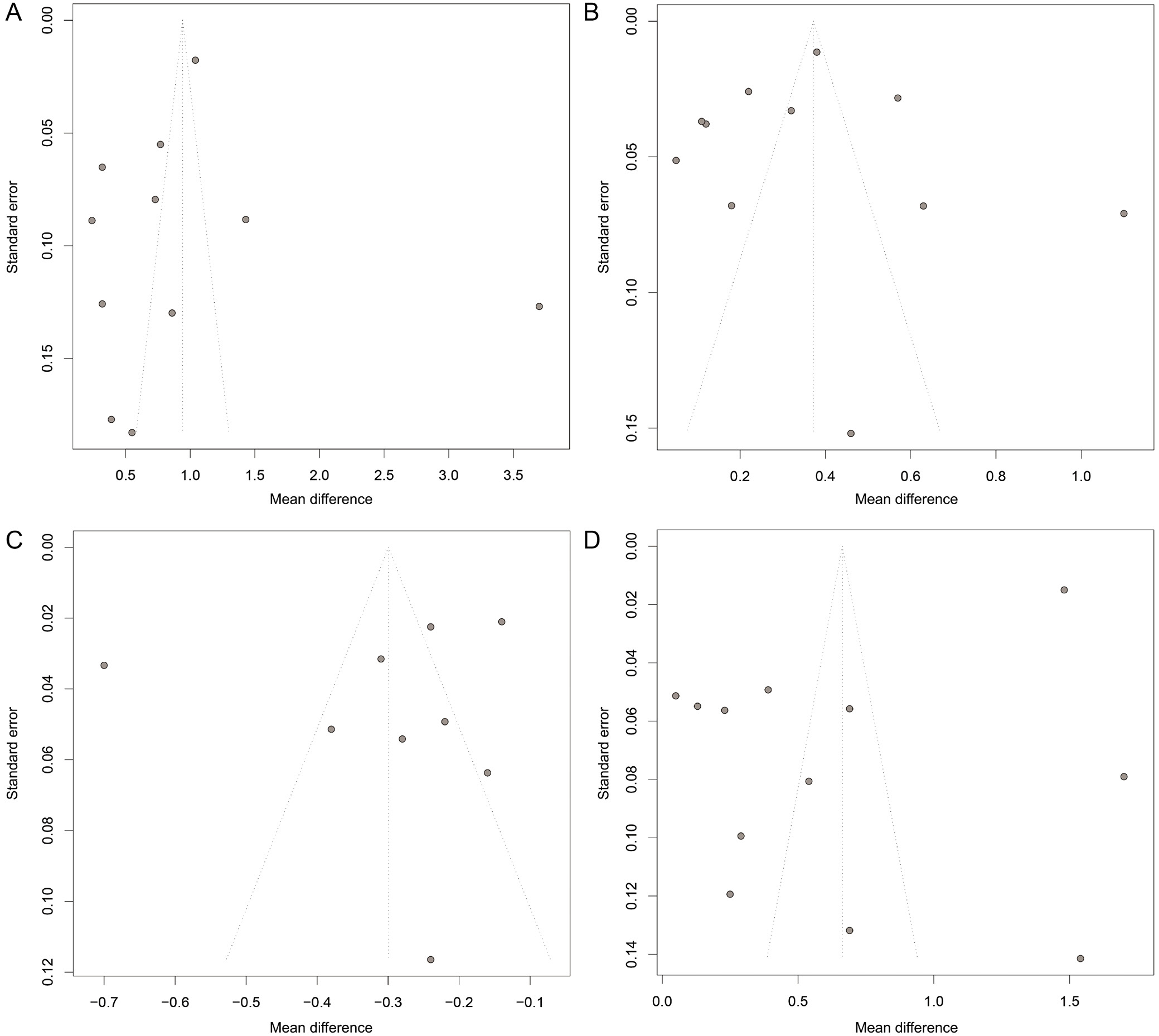
Sensitivity analyses (Figure 7, Supplementary Tables 5–8) confirmed the robustness of the findings. Sequential exclusion of individual studies did not alter the direction or statistical significance of the pooled effect sizes. Publication bias was evaluated using funnel plots and Egger’s regression test. Egger’s test indicated no significant small-study effects for TC (p = 0.120), TG (p = 0.170), LDL-C (p = 0.400), or HDL-C (p = 0.630), which was consistent with the visual symmetry of the funnel plots (Figure 8, Supplementary Table 9), suggesting a low risk of reporting bias.
Discussion
Clinical implications of pooled findings
This study confirms a strong association between dyslipidemia and the risk of IS. Specifically, elevated TC, TG, and LDL-C levels, together with decreased HDL-C levels, were consistently observed among patients with stroke. These findings are consistent with previous studies and reinforce the role of lipid abnormalities as independent and modifiable risk factors for IS.29, 30
From a clinical perspective, these findings support the incorporation of routine lipid monitoring, particularly HDL-C/LDL-C ratios, into stroke risk assessment. Elevated LDL-C and TG levels may promote atherosclerotic plaque formation and endothelial dysfunction, whereas reduced HDL-C levels may impair vascular repair mechanisms. These markers may help clinicians identify high-risk individuals at an earlier stage, thereby facilitating precision prevention strategies and targeted lipid-lowering interventions.31, 32
Methodological contributions: The dual framework
Unlike traditional single-method reviews, this study employed a dual approach integrating scientometric mapping and meta-analytic synthesis. Scientometric analysis revealed evolving research trajectories, from an early emphasis on atherosclerosis to an emerging focus on HDL dysfunction, lipidomics, and machine learning models. Author and institutional network analyses highlighted the growing prominence of China–USA collaborations and the emergence of translational research platforms.32
The meta-analysis provided robust clinical evidence across diverse populations despite substantial heterogeneity. Sensitivity analyses confirmed the stability of the observed associations across all lipid indicators. Together, the 2 methodologies formed a closed-loop framework in which bibliometric insights informed clinical relevance and vice versa. This hybrid model may serve as a blueprint for future reviews, particularly in fields where the volume of research is large but fragmented.33, 34
Interpretation of heterogeneity
High between-study heterogeneity (I2 > 90%) was observed, particularly for TC and LDL-C. Several factors likely contributed to this heterogeneity, including population diversity (e.g., ethnicity and comorbid diabetes), variation in stroke subtypes (e.g., large-artery atherosclerosis vs small-vessel disease), timing of lipid measurement during the acute and recovery phases, and differences in medication use, particularly statins and traditional Chinese medicines. Although heterogeneity complicates effect estimation, it does not undermine the overall direction of the observed associations. Rather, it highlights the urgent need for subgroup-specific analyses and standardized reporting practices in future research.35
Implications for future research and policy
Our findings highlight multiple actionable directions spanning clinical practice, research innovation, and policy development. In clinical practice, lipid screening should be prioritized in stroke risk models through the incorporation of lipid ratios and functional HDL subclasses. From the perspective of research innovation, multi-omics approaches, including lipidomics and metabolomics, combined with AI, may be leveraged to develop predictive tools for stroke occurrence in dyslipidemic populations. Policy development should encourage the integration of lipid targets into stroke prevention guidelines, particularly in regions with a rising prevalence of metabolic syndrome.
Future studies should emphasize multicenter cohorts, longitudinal follow-up, and data harmonization across different ethnic groups and healthcare systems. Linking lipid profiles with genetic polymorphisms, dietary patterns, and inflammatory biomarkers may provide deeper insight into the pathogenesis and prevention of IS.36, 37 In recent years, women and hyperglycemia have emerged as important topics in stroke research. Evidence indicates that insulin resistance, hyperglycemia, and dyslipidemia in women with metabolic syndrome jointly increase the risk of atherosclerotic IS.38 Findings from the China Health and Retirement Longitudinal Study further demonstrated that the atherogenic index of plasma and the TG-glucose index not only independently predict post-stroke all-cause mortality but also highlight the interactive effects of abnormalities in glucose and lipid metabolism on stroke prognosis.39 Moreover, stress hyperglycemia has been shown to be strongly associated with poor outcomes in acute IS, particularly among non-diabetic patients.40 Future research should therefore focus on the “women–hyperglycemia–dyslipidemia–stroke” axis to elucidate the underlying mechanisms and inform precision prevention strategies.
Limitations of the study
This study has several limitations that warrant consideration. We included only English- and Chinese-language articles and relied heavily on the Web of Science and major databases such as PubMed and CNKI. This may have introduced selection bias, potentially excluding high-quality studies published in other languages or in regional journals not indexed in major databases. The meta-analysis relied on aggregate data from published studies rather than individual patient data (IPD). This limited our ability to conduct subgroup analyses based on age, sex, comorbidities (e.g., diabetes and hypertension), or stroke subtype (e.g., cardioembolic vs atherothrombotic). Despite consistent effect directions, high heterogeneity (I2 > 90%) was observed for all lipid markers. This heterogeneity likely reflects differences in population demographics, diagnostic criteria, measurement timing (acute vs recovery phase), and statin use. Although random effects models were used to account for this variability, the underlying heterogeneity may still influence the generalizability of the pooled estimates. Most included studies were observational, introducing the potential for residual confounding and limiting causal inference. Few studies adjusted for all relevant vascular risk factors or used standardized lipid testing protocols. The analysis was limited to traditional lipid parameters (TC, TG, HDL-C, and LDL-C). Novel or functional markers, such as HDL particle size, oxidized LDL, and ApoB/ApoA1 ratios, were rarely reported and therefore could not be included, limiting mechanistic interpretation. These limitations highlight the need for future prospective, multicenter, IPD-based studies with standardized methodologies and broader database inclusion to validate and extend our findings.
The interpretation of keyword burst analysis also has inherent limitations. Some bursts may be driven by external events or editorial policies rather than by substantive shifts in research activity. For instance, the surge in the keyword “COVID-19” reflects the temporary impact of a global health crisis rather than a fundamental transformation of the field of lipid–stroke research. Similarly, the emergence of terms such as “case-control study” and “meta-analysis” is partly attributable to journal requirements for specifying study design in titles or abstracts, rather than to a sudden increase in their intrinsic importance. Therefore, burst keywords should be interpreted with caution and in the context of publication practices, editorial standards, and broader scientific trends. Although our meta-analysis included studies involving various IS subtypes, data specific to lacunar infarction and other stroke subtypes were insufficient for separate analyses. This limitation prevents a comprehensive evaluation of the role of precision lipid management and personalized prevention in subtype-specific settings. Future studies should stratify patients according to stroke subtype, particularly lacunar infarction, to determine whether tailored lipid-lowering interventions can improve outcomes.
Conclusions
This study provides integrated evidence from scientometric and meta-analytic perspectives, confirming that dyslipidemia, characterized by elevated TC, TG, and LDL-C levels and reduced HDL-C levels, is significantly associated with an increased risk of IS. These findings support the routine use of lipid profiling, particularly HDL-C/LDL-C ratio monitoring, as part of risk stratification in both primary and secondary stroke prevention. Our dual-framework approach highlights not only clinical associations but also global research trends, revealing a shift toward precision lipid management and personalized interventions. Future research should focus on multicenter, multiethnic cohort studies, integration with lipidomics and AI-driven prediction models, and refinement of lipid-related guidelines for stroke prevention. This comprehensive strategy may accelerate the translation of lipid-marker research into real-world clinical tools that reduce the global burden of stroke.
Supplementary data
The supplementary materials are available at https://doi.org/10.5281/zenodo.17628518. The package contains the following files:
Supplementary Fig. 1. Multidimensional visualization of international collaboration networks and knowledge dissemination in dyslipidemia and IS research.
Supplementary Table 1. Top 20 productive authors and institutions in dyslipidemia and IS research (2005–2024).
Supplementary Table 2. Country-level research output and leading journals (2005–2024).
Supplementary Table 3. Detailed parameters of keyword clustering.
Supplementary Table 4. Characteristics of the included studies.
Supplementary Table 5. Sensitivity analysis of the association between TC level and IS.
Supplementary Table 6. Sensitivity analysis of the association between TG level and IS.
Supplementary Table 7. Sensitivity analysis of the association between HDL-C level and IS.
Supplementary Table 8. Sensitivity analysis of the association between LDL-C level and IS.
Supplementary Table 9. Egger’s test results for publication bias.
Use of AI and AI-assisted technologies
Not applicable.