Advances in Clinical and Experimental Medicine

Title abbreviation: Adv Clin Exp Med
5-Year IF – 2.0, IF – 1.9, JCI (2024) – 0.43
Scopus CiteScore – 4.3
Q1 in SJR 2024, SJR score – 0.598, H-index: 49 (SJR)
ICV – 161.00; MNiSW – 70 pts
Initial editorial assessment and first decision within 24 h

ISSN 1899–5276 (print), ISSN 2451-2680 (online)
Periodicity – monthly

Download original text (EN)

Advances in Clinical and Experimental Medicine

Ahead of print

doi: 10.17219/acem/204391

Publication type: review

Language: English

License: Creative Commons Attribution 3.0 Unported (CC BY 3.0)

Download citation:

  • BIBTEX (JabRef, Mendeley)
  • RIS (Papers, Reference Manager, RefWorks, Zotero)

Cite as:


Olszewska A, Kensy J, Czajka-Jakubowska A, et al. Diagnosis and management of traumatic injuries in pediatric patients secondary to dental local anesthesia: A systematic review [published online as ahead of print on August 26, 2025]. Adv Clin Exp Med. 2026. doi:10.17219/acem/204391

Diagnosis and management of traumatic injuries in pediatric patients secondary to dental local anesthesia: A systematic review

Aneta Olszewska1,A,B,C,D,F, Julia Kensy2,B,C,D, Agata Czajka-Jakubowska1,E, Daniele Pergolini3,D,E, Maurizio Bossù3,E, Umberto Romeo3,E, Jacek Matys4,A,B,C,E,F

1 Department of Orthodontics and Temporomandibular Disorders, Poznan University of Medical Sciences, Poland

2 Faculty of Dentistry, Wroclaw Medical University, Poland

3 Department of Oral and Maxillofacial Sciences, Sapienza University of Rome, Italy

4 Department of Dental Surgery, Wroclaw Medical University, Poland

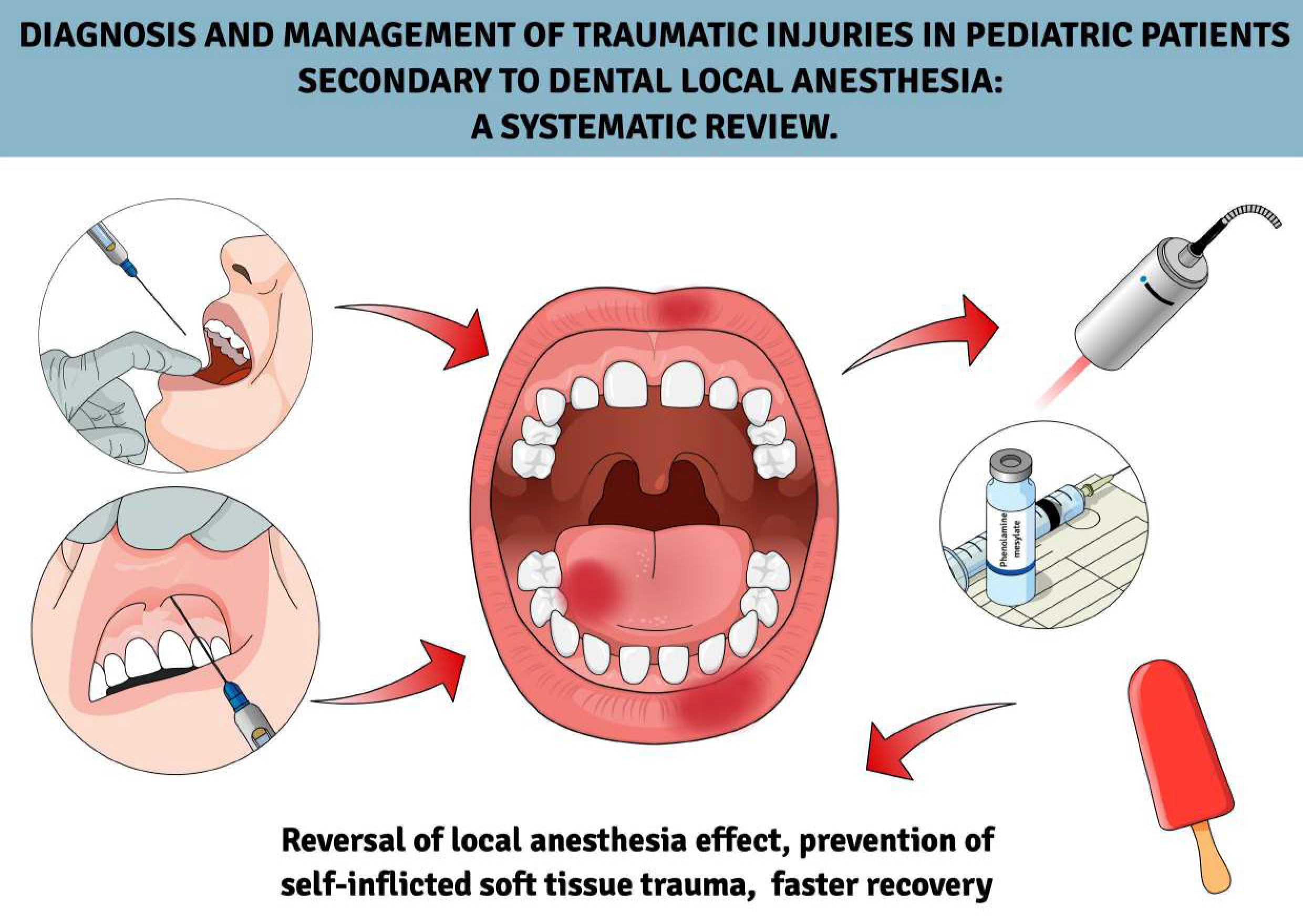
Graphical abstract


Graphical abstracts

Highlights


• Self-inflicted soft-tissue injuries after pediatric dental anesthesia are common, most often involving the lips, cheeks and tongue.
• These wounds can progress to infection, allergic reaction or neuropathy, so each must be considered in the clinical differential diagnosis.
• Rapid anesthetic reversal with intra-oral splints, phentolamine mesylate (OraVerse®) or photobiomodulation therapy shortens numbness time and lowers injury risk.
• Standardized anesthesia protocols and long-term, multicenter studies are essential to refine prevention, diagnosis and treatment of soft-tissue injuries in children.

Abstract

This study examines soft tissue injuries secondary to the prevalence of local anesthesia, differential diagnosis and therapeutic approaches.

In October 2024, a comprehensive search was performed in PubMed, Web of Science and Scopus along with gray literature sources, adhering to the PRISMA (Preferred Reporting Items for Systematic reviews and Meta-Analyses) guidelines, using the following keywords: “bite”, “traumatic injuries”, “soft tissue injuries”, “self-inflicted injuries”, “topical anesthesia”, “local anesthesia”, “pediatric”, or “children”. The search was limited to English-language publications. Additional manual screening of reference lists was performed. The risk of bias was assessed using the checklist developed by the Joanna Briggs Institute (JBI).

Out of 574 identified studies, 21 were included in the qualitative analysis (9 randomized controlled trials (RCTs), 6 case reports and 6 cohort studies), mainly focusing on children aged 6–12. Anesthesia methods included traditional techniques (12 studies) and computer-controlled injection (5 studies). The role of articaine (9) and lidocaine (10) was analyzed. Suggested interventions to mitigate injury risks and improve recovery included the use of phentolamine mesylate (2 studies) and non-pharmacological strategies: intraoral appliances (2 studies) and photobiomodulation (2 studies). The included studies varied in design, sample size and duration, limiting direct comparisons. Effect sizes and confidence intervals were inconsistently reported, and the risk of bias assessment using the Cohen’s kappa test highlighted methodological heterogeneity and potential reporting bias.

Soft tissue injuries from local anesthesia in children can cause significant pain and cooperation issues. Effective strategies include early intervention with pharmacological and non-pharmacological approaches. Increased awareness and patient-specific management are essential for reducing risks and improving outcomes.

Key words: children, local anesthesia, soft tissue injuries, anesthesia

Introduction

Lesions secondary to local anesthesia in children are rare but may occur as the child’s response to the procedure. These lesions are typically related to the local anesthetic agent used by the technique. However, they are mainly the result of inappropriate behavior of the child due to prolonged numbness after administration of local anesthesia.1, 2 After the procedure, when stress levels have subsided and the child is still under anesthesia, they may be unfamiliar with the sensation of numbness. As a result, they might bite or chew on their lips, cheeks or tongue, potentially causing painful injuries.1 Timely diagnosis and appropriate management help minimize complications and promote healing of soft tissue injuries caused by local anesthesia.

Regular follow-up is crucial to monitor recovery and prevent complications.2 If the lesion does not resolve or worsens, it is recommended to seek the help of a pediatric dentist, oral surgeon or appropriate specialist. All cases with severe or non-healing ulcers should be indicated when considering malignancies or systemic causes such as autoimmune diseases, as well as complicated infections requiring surgical drainage or hospitalization.3 If the lesions recur or appear in different areas, neuropathy should be considered, as this may indicate persistent sensory disturbances or underlying nerve damage.4 These injuries are usually preventable with careful planning of the time needed for anesthesia for the procedure, a precise technique of anesthetic administration, considering the use of local anesthetic reversal agents such as phentolamine mesylate, and careful post-procedure education of healthcare professionals to monitor the child.5, 6

To effectively address this often misdiagnosed condition, a thorough understanding of proper diagnostic techniques is essential.7, 8 The differential diagnosis of soft tissue injury should consider trauma during anesthesia delivery, which may present as redness, swelling or ulceration caused by mechanical or physical damage during injection.7, 9 Rare allergic reactions to local anesthesia may manifest as itching, swelling or rash, while infection may present with localized pain, warmth, erythema, or systemic symptoms.9 Chemical or thermal burns resulting from exposure to caustics or excessive heat should also be assessed. Injection site complications, such as localized hematoma, edema or necrosis caused by improper injection technique, can lead to swelling or discoloration. In addition, neuropathy resulting from temporary or permanent nerve injury can cause symptoms such as paresthesia (tingling or numbness) or dysesthesia (abnormal, often painful sensations). Accurate identification of these potential causes is essential for effective management and the prevention of complications.9, 10

Although often self-limiting, traumatic soft tissue injuries following local anesthesia in children can lead to complications such as ulceration, secondary infection or neuropathic pain, highlighting the importance of early recognition and management. Despite their clinical significance, research on these injuries remains fragmented, with most studies limited to case reports or small-scale observations rather than comprehensive evidence-based assessments. There is a lack of high-quality evidence on effective prevention and management strategies, and inconsistencies in age-specific clinical approaches further complicate decision-making. Given these gaps, a systematic review is needed to consolidate existing knowledge, evaluate diagnostic and preventive strategies – such as anesthetic reversal agents and post-procedural education – and assess treatment effectiveness, ultimately guiding standardized, evidence-based clinical practices.

Objectives

There is no current published literature review on soft tissue injuries resulting from local anesthesia in children. While most complications occur immediately, late-onset issues can affect essential functions like eating, speaking and chewing, particularly in young children and those with behavioral challenges. These complications may cause pain and impact future dental cooperation. This review aims to synthesize existing research, provide insights into prevalence, diagnosis and management strategies, and raise clinical awareness to improve patient outcomes.

Materials and methods

Focused question

This systematic review was conducted using the PICO framework to address the following clinical question: In children undergoing local anesthesia (Population), how does the diagnosis of traumatic injuries related to anesthesia (Intervention) and the strategies for their management (Comparison) influence the reduction of postoperative trauma (Outcome) compared to no specific intervention or standard care?11

Protocol

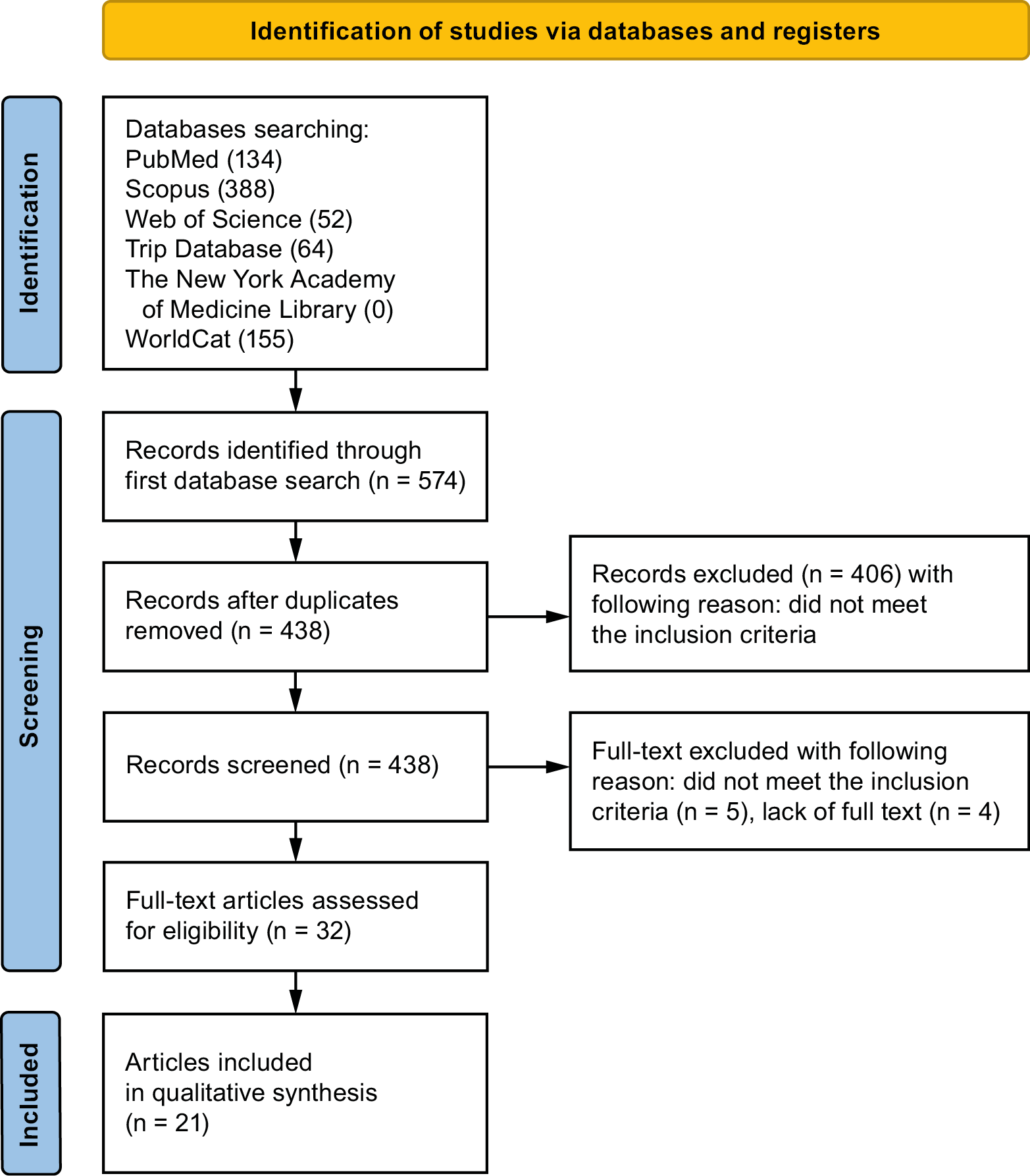
The process of selecting articles in the systematic review was carefully outlined following the Preferred Reporting Items for Systematic reviews and Meta-Analyses (PRISMA) flowchart (Figure 1).12 The systematic review was registered on the Open Science Framework at the following link: https://osf.io/4xwdz (accessed December 9, 2024).

Eligibility criteria

Studies were considered acceptable for inclusion in the review if they met the following criteria12:

– children up to 18 years old;

– use of local anesthesia;

– observation of soft tissue trauma in a few postoperative days;

– clinical cases;

– studies in English;

– prospective case series;

– non-randomized controlled clinical trials (NRS);

– randomized controlled clinical trials (RCTs).

The exclusion criteria on which the reviewers agreed were as follows12:

– adult patients;

– studies have focused on pain or numbness of tissues without paying attention to self-inflicted trauma;

– articles not in English;

– opinions;

– editorial articles;

– review articles;

– it is not possible to access the full text;

– duplicate publications.

No restrictions have been applied with regard to the year of publication.

Sources of information, search strategy and selection of studies

In October 2024, a comprehensive search was performed in the PubMed, Scopus and Web of Science (WoS) databases to identify articles that meet the predefined inclusion criteria. Additionally, searches were conducted in gray literature sources, including WorldCat, The New York Academy of Medicine Library and the Trip Database. The search criteria were meticulously crafted, utilizing a strategic blend of the specified keywords. For PubMed, we used ((biting[Title/Abstract]) OR (bite[Title/Abstract]) OR (traumatic injuries) OR (soft-tissue injury[Title/Abstract]) OR (soft tissue injury[Title/Abstract]) OR (self-inflicting injuries[Title/Abstract])) AND ((topical anesthesia[Title/Abstract]) OR (local anesthesia[Title/Abstract])) AND ((pediatric[Title/Abstract]) OR (children[Title/Abstract])). For WoS, we used ALL= ((biting OR bite OR Traumatic injuries OR Soft-tissue injury OR soft tissue injury OR self-inflicting injuries) AND (topical anesthesia OR local anesthesia) AND (pediatric OR children)). For Scopus, we used ((biting OR bite OR Traumatic injuries OR Soft-tissue injury OR soft tissue injury OR self-inflicting injuries) AND (topical anesthesia OR local anesthesia) AND (pediatric OR children)). For WorldCat and The New York Academy of Medicine Library, we used biting OR biting OR traumatic injuries OR soft tissue injuries OR soft tissue injuries OR self-inflicted injuries) AND (topical anesthesia OR local anesthesia) AND (pediatric or children. For Trip Database, we searched (self-inflicted injuries) AND (topical anesthesia OR local anesthesia) AND (children). Following the database search, a thorough and systematic literature review was conducted to identify any papers that were initially considered potentially irrelevant to this study. Only articles with available full-text versions were considered for inclusion.

Data collection process and data elements

Two reviewers (A.O. and J.K.) independently reviewed and extracted articles that met the inclusion criteria. Relevant data collected included the names of the authors, the year of publication, the study design, the title of the article, the type of laser used, and the results related to its effectiveness in the healing process and pain management. The extracted data was systematically recorded in a standardized Excel spreadsheet (Microsoft Excel 2013; Microsoft Corp., Redmond, USA) for subsequent analysis.

Risk of bias and quality assessment

During the initial selection phase of the study, each reviewer independently evaluated the titles and abstracts to minimize potential bias. The Cohen’s kappa test was used to assess the level of agreement among reviewers. Any discrepancies regarding the inclusion or exclusion of articles were resolved by the 3rd reviewer.13

Quality assessment

Two independent reviewers (A.O. and J.K.) systematically evaluated the methodological quality of each study to determine its suitability for inclusion. If there was a disagreement among the reviewers about whether to include a study, a 3rd reviewer was consulted to make the final decision. The quality assessment was conducted using a set of critical assessment tools designed by the Joanna Briggs Institute (JBI; https://jbi.global/critical-appraisal-tools). Cohen’s kappa test was conducted to evaluate inter-rater reliability using MedCalc v. 23.1.7 (MedCalc Software Ltd., Ostend, Belgium). The analysis yielded a kappa value of 0.9 (p < 0.001), indicating almost perfect agreement and high consistency among the reviewers’ assessments.

Results

Selection of studies

An initial search of databases, including PubMed, WoS and Scopus, yielded a total of 574 studies potentially relevant for review. After the duplicate entries were removed, 438 articles remained for screening. During the preliminary evaluation of the titles and abstracts, 406 studies were excluded as they did not meet the inclusion criteria. Subsequently, 32 articles were subjected to a detailed analysis of the full text, which led to the exclusion of 5 articles for non-compliance with the inclusion criteria and 4 for unavailability of the full text. In the end, 21 articles were deemed eligible and included in the qualitative summary of this review.1, 4, 5, 6, 14, 15, 16, 17, 18, 19, 20, 21, 22, 23, 24, 25, 26, 27, 28, 29, 30

General characteristics of the studies included

This systematic review includes a wide range of studies examining the diagnosis and management of traumatic injuries resulting from local anesthesia in pediatric dentistry. The studies consist of RCTs,5, 6, 16, 17, 18, 21, 24, 25, 27 clinical cases1, 4, 14, 15, 23, 30 and cohort studies,19, 22, 26, 28 which reflects a comprehensive investigation into this topic. Sample sizes varied considerably between the included studies, with case reports focusing on individual patients or small groups1, 4, 14, 15, 23, 30 and large-scale studies that include up to several hundred participants.5, 19, 20, 22, 24, 25, 26, 29 A general feature of the included studies was demonstrated in Table 1.

Study participants ranged from children to adolescents, with most studies focusing on children aged 6–12 years, as this group is most commonly placed under local anesthesia during routine dental procedures.4, 5, 16, 18, 21, 30 A key theme in all studies is the high prevalence of self-inflicted soft tissue injuries after administration of local anesthesia. These lesions, which often affect the lips, cheeks or tongue, result from the temporary loss of sensation, leading to accidental bites and trauma.1, 4, 6, 14, 15, 17, 18, 23, 24, 26, 27, 30 Studies have also explored specific types of injuries, such as traumatic ulcers caused by unintentional tissue damage.1, 4, 14, 15, 23, 30

Anesthesia methods varied between studies and included traditional inferior alveolar nerve blocks,4, 6, 15, 16, 17, 19, 20, 21, 23, 25, 26, 30 topical anesthetics14, 19 and innovative techniques such as computer-controlled intraosseous injections29 or intraligamental anesthesia.17 Comparison of these methods provided insight into the different risks and outcomes associated with the different techniques. For example, Helmy et al.17 highlighted the potential benefits of computer-controlled intraligamental injections in minimizing complications, while other studies have examined the relative effectiveness of bilateral compared to unilateral nerve blocks.25 In addition, the role of specific anesthetics, such as articaine and lidocaine, in terms of safety and duration of numbness was analyzed.26

Several studies have introduced innovative interventions to mitigate injury risks and improve recovery. These include the use of phentolamine mesylate5, 6 as well as non-pharmacological strategies, intraoral appliances designed to protect soft tissue from damage10 or unsweetened popsicles to reduce the tendency to bite and provide a soothing effect post-procedure.28 Photobiomodulation (PBMT) therapy has been prominently characterized as an effective approach to accelerate the reversal of local anesthesia, reducing the duration of numbness and potentially decreasing the risk of self-inflicted injury.16, 18 A detailed feature of the included studies was demonstrated in Table 2.

Main findings of the study

The studies included in this systematic review provide valuable insights into the diagnosis and management of traumatic injuries caused by local anesthesia in pediatric patients. A predominant finding reported in multiple studies has been the high incidence of lesions particularly on the lower lip, cheeks and tongue bites, which are directly attributed to residual numbness after administration of anesthesia.1, 4, 6, 14, 15, 17, 18, 23, 24, 26, 27, 30 These injuries often appear as ulcers or tears in the tissues, leading to discomfort, delayed healing and psychological distress in affected children.1, 4, 6, 14, 15, 23

Several studies have evaluated the effectiveness of innovative preventive strategies. Intraoral appliances significantly reduce the incidence of bite injuries by serving as mechanical barriers during the period of anesthesia-induced numbness.22 Similarly, non-pharmacological approaches, such as the use of icicles, have demonstrated potential to mitigate tissue trauma by promoting sensory awareness and calming post-operative behavior.28 The effectiveness of low-level laser therapy in speeding up anesthesia reversal and decreasing the duration of numbness has also been emphasized, with studies showing quicker recovery times and fewer complications.16, 18 A similar preventive strategy that introduced pharmacological intervention was applied in studies conducted by Tavares et al.5 and Nourbakhsh et al.,6 where phentolamine mesylate was administered to patients following the injection of local anesthesia. These methods have proven effective in shortening numbness duration after local anesthesia, thereby preventing self-inflicted soft tissue trauma.

Comparative results of different anesthesia techniques were another significant goal. Studies have found that computer-controlled intraligamental injections resulted in fewer postoperative injuries than traditional nerve block techniques, particularly in younger patients undergoing dental extractions.17 It happens due to the lack of anesthetization of local soft tissues – anesthesia is applied directly to the periodontal ligament of a treated tooth. Pain management and patient comfort have been evaluated in several studies, with results indicating that improved anesthetic techniques, such as intraosseous injections, can improve the patient experience by providing more localized and controlled anesthesia.29 The type of anesthetic agent used also influenced the outcomes; e.g., adverse effects such as prolonged numbness or an increased risk of soft tissue trauma have been linked to specific agents, such as articaine, particularly when administered at concentrations as high as 4%.26

The studies we reviewed show that different methods for preventing self-inflicted soft tissue injuries after local anesthesia vary in both safety and effectiveness. For example, phentolamine mesylate can cut down on how long a child stays numb, which lowers the chance of accidental bites,5, 6 though it might cause mild side effects like a brief drop in blood pressure or dizziness.31, 32 Photobiomodulation therapy can also speed up recovery from numbness and help tissues heal, but it is not always easy to access or afford.15, 16, 18 Non-drug strategies, such as using a custom mouth appliance or offering popsicles, can be effective in preventing biting; however, success largely depends on the child’s willingness to cooperate.20, 28 Meanwhile, alternative anesthesia techniques – like intraligamentary or intraosseous anesthesia – can significantly cut down on injuries, but they require special tools and training.17, 29

In the future, comparing these different methods in head-to-head studies will be helpful to determine which ones are most effective in various situations. We also need longer-term research to find out how well each approach holds up over time. Ultimately, creating clear guidelines for dentists – based on both practical experience and solid evidence – can help protect children from these injuries while ensuring they receive safe, comfortable dental care.5, 6, 15, 16, 18, 20, 28, 29

Quality assessment

Six case reports were assessed using a checklist, with 2 scoring the highest score by 8 points,14, 23 while the other 4 received 7 points1, 4 and 6 points.15, 30 Among the 9 RCTs, 5 had a low risk of bias, gaining 13 points,5 12 points17, 27 or 11 points6, 24 out of 13, while the other showed a moderate risk of sprain with a score of 9 points16, 25 or 10 points18, 21 on the 13 point-scale. In addition, 4 cohort studies were analyzed, with a score of 9 points,19, 7 points22 or 6 points26, 28 out of 11 possible. Score details for these studies are summarized in Table 3, Table 4, Table 5.

Discussion

This systematic review provided a comprehensive overview of the diagnosis and management of soft tissue injuries caused by local anesthesia in pediatric dental practice. The main findings highlight the high prevalence of traumatic lesions among pediatric patients, with the most common accidental bites to the lips, cheeks and tongue. These injuries are strongly associated with the temporary loss of sensation caused by local anesthesia, which impairs the child’s ability to perceive and control oral movements.1, 4, 15, 17, 18, 22, 23, 24, 26, 27, 30 Many cases have emphasized the risk of soft tissue damage following inferior alveolar block anesthesia.4, 6, 15, 16, 17, 19, 20, 21, 23, 25, 26, 30 Although generally self-limiting, these injuries can cause considerable discomfort and delay healing, as evidenced in previous work.1, 14, 15, 26, 30

Consistent with the results of Helmy et al.,17 anesthetic techniques significantly influence the incidence of postoperative trauma. In particular, computer-assisted intraligamentous anesthesia has been shown to reduce complications compared to traditional nerve block techniques. Computer-controlled anesthetic delivery is associated with reduced injection pain, better control of the anesthetized area and a decreased risk of traumatic bites by providing localized numbness without affecting surrounding soft tissues. This precise administration with preselected speed of anesthetic delivery not only enhances patient comfort but also minimizes post-procedural discomfort and swelling, leading to a smoother recovery.17, 18 In addition, innovative approaches such as PBMT and phentolamine mesylate have demonstrated efficacy in reducing the duration of anesthesia and minimizing self-inflicted lesions, in line with the results of previous studies.5, 6, 16, 18

The pharmacological approach to alleviating self-inflicted soft tissue injuries following local anesthesia includes the administration of reversal agents such as phentolamine mesylate. This adrenergic antagonist has been shown to significantly reduce the duration of anesthesia-induced numbness, decreasing the likelihood of accidental bites and associated trauma.31, 32 Its efficacy in expediting sensory recovery is particularly valuable in pediatric dentistry, where young patients may struggle with the unfamiliar sensation of prolonged numbness. However, while the benefits of phentolamine mesylate in reducing anesthesia-related injuries are well-documented, concerns remain regarding its potential side effects, including transient hypotension, dizziness and local tissue reactions.33 Additionally, repeated administration in the same anatomical area raises the risk of localized complications, such as tissue irritation or vascular compromise. These factors underscore the importance of exploring non-pharmacological and minimally invasive alternatives to improve patient safety and comfort.

The advantages of low-level laser therapy (LLLT) are especially significant in pediatric dentistry.34, 35 One of its primary benefits is the significant reduction in soft tissue recovery time, which promotes faster healing and minimizes discomfort in young patients.18 In addition, PBMT provides an effective analgesic effect, relieving pain without the need for pharmaceutical interventions.36 This is particularly valuable in pediatric populations, where the risk of adverse reactions to anesthesia can pose significant concerns.37, 38 Photobiomodulation therapy provides a noninvasive, drug-free method for managing self-inflicted injuries, such as accidental bites or trauma, which often occur due to residual numbness after local anesthesia.18 Low-level laser therapy harnesses the healing properties of light to stimulate cellular repair and reduce inflammation, making it a promising and safe option for injury treatment.35 Its ease of application and minimal risk profile further increase its potential as a valuable tool in pediatric dental care, providing both immediate relief and long-term benefits for young patients.16 However, there is limited research on the cost-effectiveness and accessibility of implementing PBMT in routine clinical practice, indicating a need for further studies to evaluate these aspects.39

The effectiveness of different methods to prevent self-inflicted soft tissue injuries after local anesthesia depends on the specific technique used, patient compliance and clinical feasibility. For instance, the use of phentolamine mesylate can accelerate the reversal of local anesthesia, thereby reducing the risk of accidental soft tissue injuries. However, it may also be associated with side effects such as transient hypotension or dizziness.4, 5, 29 Meanwhile, PBMT is a noninvasive option that helps tissues heal faster and reduces the duration of numbness without the need for additional medication.14, 16 Despite the promising benefits of PBMT, concerns remain about its availability, cost and the lack of standardized protocols for routine clinical practice.37 Non-pharmacological options, like intraoral appliances, have shown success in preventing accidental bites, especially in younger children.8 However, patient compliance and comfort play a crucial role, as some children may be reluctant to use these devices. Another simple method is giving children unsweetened popsicles as a sensory distraction to reduce biting behavior, but there is limited evidence regarding its long-term effectiveness or potential drawbacks.26 Even though these techniques are promising, direct comparisons of their safety, effectiveness and feasibility are lacking in the current literature. Most studies evaluate these interventions individually rather than in comparative trials, making it difficult to determine the most effective approach.

Preventive measures are critical in pediatric dental care to mitigate the risk of self-inflicted injury following procedures involving local anesthesia.38, 40 The use of protective intraoral devices has been shown to significantly reduce accidental bites. A study evaluating 3 types of self-designed intraoral appliances found them effective in preventing biting of the cheeks, lips and tongue in children after local anesthesia.20 In addition, non-pharmacological interventions, such as offering unsweetened popsicles after treatment, have demonstrated benefits.41, 42 Research indicates that children who received popsicles after dental procedures under local anesthesia experienced less discomfort and a reduced tendency to self-mutilation than those who received a toy.28 However, the literature does not extensively address the potential adverse effects of these preventive strategies. Nevertheless, given their noninvasive nature, these approaches are likely to pose fewer risks than pharmacological methods, which may be associated with systemic adverse effects.20

Caregivers play a vital role in preventing self-inflicted soft tissue injuries in children – especially younger or disabled patients – following local dental anesthesia. Due to temporary numbness, children may unintentionally bite or chew on their lips, cheeks or tongue, leading to painful injuries.4 To minimize this risk, caregivers should closely monitor the child until the anesthetic wears off, discourage eating solid foods or drinking hot beverages, and provide soft or cold foods instead.43 Additionally, engaging the child in distraction techniques, such as supervised play, can help reduce the likelihood of injury.19 Educating caregivers about these precautions is essential for ensuring a safe and comfortable recovery.44 These strategies not only improve postoperative comfort but also play a critical role in preventing complications associated with residual numbness, thereby improving the overall quality of pediatric dental care.38, 40, 41, 42, 45, 46

Limitations

This study has several limitations, including variability in anesthesia protocols, differences in dosages and administration methods and the heterogeneity of pediatric populations, which affect the generalizability of findings. The broad age range of examined children introduces additional variability, as younger and older children may respond differently to anesthesia and have distinct risks of self-inflicted injuries. The lack of longitudinal studies further limits insights into long-term effects, such as cognitive or developmental outcomes. Future research should focus on standardized protocols, narrower age groups and larger, more diverse control groups. In addition, the considerable variability among the studies included prevents us from performing a meta-analysis. However, additional research is needed to make a meta-analysis feasible.

Conclusions

This systematic review highlights the high prevalence of self-inflicted soft tissue injuries among pediatric dental patients, caused primarily by residual numbness after local anesthesia. The findings underscore the need for comprehensive preventive and therapeutic strategies to effectively address these complications. Innovative approaches such as computerized anesthesia, PBMT and protective intraoral devices have shown significant potential in reducing the incidence of accidental bites and enhancing recovery outcomes. However, the variability of anesthetic protocols and study methodologies underscores the need for standardized practices and further research. Longitudinal studies are essential for evaluating the long-term effects of these interventions, ensuring safety and validating their efficacy in diverse pediatric populations. To enhance clinical application, dental practitioners should prioritize patient and caregiver education on post-anesthetic care, incorporate intraoral protective devices when appropriate, and consider alternative anesthesia techniques to minimize residual numbness. Additionally, implementing structured post-procedure monitoring can help identify and mitigate potential injuries early. By integrating these advanced, minimally invasive approaches, pediatric dental care can prioritize both patient safety and comfort while addressing the unique challenges of soft tissue injury management.

Consent for publication

Not applicable.

Use of AI and AI-assisted technologies

Not applicable.
Tables


Table 1. General characteristics of the studies

Study

Aim of the study

Material and methods

Results

Conclusions

Kot et al.1

Presentation of 3 cases of self-inflicted injuries in children after local anesthesia and outline preventive and therapeutic approaches.

Patient 1:

– 4.5 years

– Tooth 84

– Infiltration anesthesia with Citocartin 200 (4% articaine with epinephrine 1:200,000) (1/2 cartridge)

– Treatment: Tantum Verde aerosol and Solcoseryl paste

Patient 2:

– 9 years

– Tooth 36

– Anesthesia of inferior alveolar nerve block with Citocartin 200 (1/2 Cartridge)

– Treatment: Sulcoseyl paste

Patient 3:

– 7 years

– Tooth 54

– Infiltration anesthesia with Citocartin 200 (1/2 cartridge)

– Treatment: Sulcoseyl paste

Patient 1:

– After 3 days: Extensive and painless ulceration of the lower lip on the right side; fibrin-coated lesion, no symptoms of inflammation

– One week: Ulceration healed

Patient 2:

– After 2 days: Healing of ulcerations on the mucosa of the cheek at the level of the treated tooth and at the corner of the lips

– Five days after the ulceration subsided and 10 days after healing

Patient 3:

– After 2 h: Extensive damage to the mucous membrane of the upper lip

– After 1 week: Injury healed

Injuries to the lips or cheeks after anesthesia with mandibular block are common. Parents should supervise the child to avoid biting. These lesions heal quickly with symptomatic treatment only, unless reinfection occurs.

Chi et al.4

Report the case of a child who presents with a self-inflicted injury as a result of inferior alveolar nerve block (IANB).

– 10 years

– Inferior alveolar nerve block

– 2% lidocaine

Treatment of dental caries

– After the procedure: Lip bite with mild bleeding

– Next day: Swollen, white right lower lip, ulcerated lesion (7 × 4 mm); similar lesion on the right buccal mucosa adjacent to the tooth 46

– The patient was transferred to the hospital

After the medical examination, the patient was discharged after 7 h.

This case highlights the need to improve medical-dental communication. Pediatric hospital workers are critical to preventing misdiagnosis and unnecessary treatment of self-inflicted lip ulcers after dental anesthesia.

Tavares et al.5

Evaluation of the efficacy of a phentolamine mesylate (PM) in accelerating the recovery of normal sensation in children after receiving lidocaine with epinephrine for dental procedures.

– 152 children

– 4–11 years

– Lidocaine 2% with Epinephrine 1:100,000

– After the procedure, if anesthesia was administered for 60 min or less, soft tissues persisted, anesthetized, one group received a PM injection (96 children) and another group received a sham injection (56 children)

– In the PM group, the recovery of normal soft tissue sensation was shorter than in the control group. There was no difference in pain reduction or episodes of adverse reactions.

Phentolamine mesylate can be a great substance to reduce the duration of anesthesia, which can reduce the number of self-inflicted soft tissue injuries in children.

Nourbakhsh et al.6

To evaluate the effect of phentolamine mesylate on the duration of anesthesia and soft tissue injury.

– 54 patients aged 4–11 years

– IANB with lidocaine 2% with epinephrine 1:80,000

– Group 1: Phentolamine mesylate injection after lidocaine anesthesia

– Group 2: The same children at the next visit received only local anesthesia and placebo

A few hours after the procedure:

– 8 patients self-injured after placebo and only 1 patient after application of phentolamine mesylate

– No trauma to the tongue or cheeks was observed.

Phentolamine mesylate is a safe and effective option for reducing soft tissue anesthesia after dental procedures and self-inflicted soft tissue trauma.

Tiwari14

Present a case of self-inflicted injury following topical anesthesia.

– 4 years

– Restorations in 74 and 75

– Topical anesthesia: benzocaine 20% from the buccal and lingual side

– Infiltrative anesthesia: 2% lidocaine

After 2 days:

– White patchy ulcer 1 × 2 cm on the left side of the lower lip extending from the midline to the corner of the mouth

– The ulcer was painful and raised

– All other diseases have been excluded

– Treatment: paracetamol oral suspension 5 mL, ice pack applications and saline leavening

After 10 days, the injury has healed

Topical anesthesia can cause numbness in the lips as it disperses to the lip area through saliva. Effective risk assessment and preventive monitoring can help prevent accidental bites in anesthetized pediatric patients.

Calazans et al.15

Outline the use of low-level laser therapy (LLLT) for the treatment of traumatic ulcers on the lower lip following anesthesia with inferior alveolar nerve block (IANB).

Patient:

– 3 years

– Tooth 74

– Inferior alveolar nerve block with 2% lidocaine with

1:100,000 epinephrine

– LLLT (low-level laser therapy) treatment – 808 nm, 100 mW, 105 J/cm2, 5 s

– After 1 day: An ulcer with a whitish coating located on the left side of the lower lip; the patient who complains of difficulty eating and pain

– After 1 week: Improvement of condition and pain, no problem eating

– After 30 days: lesion treated

Self-harm is common in pediatric dentistry after nerve blocks; Low-level laser therapy offers rapid pain relief, healing and anti-inflammatory benefits for traumatic ulcers.

Ghajari et al.16

The inverse effect of PBMT (photobiomodulation therapy) on alveolar block anesthesia in children.

– 36 children aged 6–9 years

– Inferior alveolar nerve block with 2% lidocaine with epinephrine 1:100,000

– Deciduous molar pulpotomy

– Diode laser (808 nm, 250 mW, 11.5 J/cm2, 23 s) on one side of the jaw and dummy laser on the other side

Among the 36 patients subjected to the experiment, 1 patient suffered self-inflicted soft tissue trauma, while in the sham laser group, 2 children suffered trauma.

The diode laser can reduce the duration of local anesthesia, but it does not prevent self-inflicted soft tissue trauma.

Helmy et al 17

Evaluation of pain and efficacy of intraligamentous anesthesia (CC-ILA) during mandibular primary molar injection and extraction in children.

– 50 children aged 5–7 years with first deciduous molar to be extracted

– Randomly assessed at inferior alveolar nerve block or intraligamental anesthesia

– Heart rate, pain and lip biting were assessed after 24 h

Children after CC-ILA did not present any post-anesthesia trauma unlike the IANB group.

CC-ILA turns out to be a better choice in baby anesthesia as it causes fewer side effects such as biting the lips or other mucosal trauma.

Olszewska et al.18

To evaluate the efficacy of photobiomodulation in reversing local anesthesia in children.

– 50 children aged 8–10 years

– Two maxillary permanent molars for carious treatment

– Infiltration anesthesia 4% articaine (Citocartin 200) with epinephrine 1:200,000

– After the procedure, the area of a tooth was treated with laser (635 nm or 808 nm, 250 mW, 500 mW/cm2, 15 J or 200 mW, 400 mW/cm2, 12 J); the control tooth was treated with the laser applicator turned off

Four cases of cheek bite were reported in the control groups after the procedure. The next day, 1 case of self-inflicted injury was reported in the laser group and 5 cases in the sham group.

The use of PBM can be a good method to reverse the results of local anesthesia, especially in terms of self-inflicted lesions.

Bagattoni et al.19

To evaluate the frequency with which self-inflicted injuries (SSI) occur after dental anesthesia in children, both with and without intellectual disabilities.

– Group A: 159 children without intellectual disability

– Group B: 82 children with intellectual disabilities

– Topical anesthesia: 15% lidocaine

– IANB: mepivacaine 2% with 1:100,000 epinephrine

– Anesthesia by infiltration: articaine 4% with 1:100,000 epinephrine

– Phone call after 2 days to identify soft tissue injuries

Self-inflicted injuries were more frequent in group B. However, in both groups injuries appeared more after the IANB.

Close supervision is critical to prevent self-inflicted injuries in children after dental anesthesia, especially for those with intellectual disabilities.

Alghamidi et al.20

To evaluate the opinions of professionals on cheek, lip and tongue bites post-anesthesia and the effectiveness of 3 intraoral appliances in preventing them.

– 301 operators were provided with a questionnaire on the occurrence of soft tissue bites after local anesthesia

– Intraoral appliances in 3 sizes depending on age: 3–6, 6–9 and 9–12 years (apparatus No. 1 – anterior extension with numerous perforations, No. 2 – with buccal flap extension, No. 3 – with serrated edges); each device is held in the mouth 3 h after anesthesia

– Children from 3 to 15 years old

– Inferior alveolar nerve block (IANB) using 2% lidocaine with epinephrine (1:50,000 or 1:100,000)

– 31.9% of professionals were familiar with post-anesthesia lesions, which are more common in children aged 3–6 years

– The intraoral device No. 1 proved to be the most favorable, showing the best comfort during use

Clear guidance and parental supervision are key to preventing self-harm in children after anesthesia, with the design of the device 1 being shown to be most effective.

Alinejhad et al.21

Comparison of lidocaine blockade and buccal articaine infiltration for primary mandibular second molar anesthetization in children.

– 40 children aged 6–8 and 8–10 years

– Group I: 2% lidocaine with epinephrine 1:100,000

– Group II: 4% articaine with epinephrine 1:100,000

Children noticed less pain in the articaine infiltration group than in the lidocaine group.

Articaine is an effective anesthetic that can be used in children aged 6–8 years to achieve proper numbness during dental procedures.

Baillargeau et al.22

To assess pain, analgesic use, and the incidence of bites or bleeding to the lips or cheeks after primary tooth extractions in children.

– 125 children aged 3–13 years indicated for tooth extractions

– Infiltration anesthesia 4% articaine with epinephrine 1:200,000

– Parents advised supervising and giving soft and mixed foods to prevent self-inflicted injuries

Only 6 children suffered post-extraction bite injuries. The wound was painful for 5 of the injured children.

Dentists can predict postoperative discomfort and tailor care to the patient’s needs.

Bendgude et al.23

Report 2 cases of self-inflicted chin injury after IANB and nasal wing injury after buccal infiltration anesthesia.

Case 1:

– 4 years

– Caries treatment of 85

– IANB

Case 2:

– 5 years

– Caries treatment of 63

– Anesthesia for buccal infiltration

Case 1:

– The next day: An ulcerative lesion on the right side of the lower lip; scratch injury on the right side of the chin

– Treatment: Analgesics and antiseptic gel for the mouth

– After 2 weeks: Injuries healed

Case 2:

– Next day: Scratch injuries on the wing of the nose

– Treatment with topical antiseptic

– After 10 days: The injury had healed

Parents or supervisors should be aware during the first few hours after anesthesia to prevent self-inflicted injury.

Coulthard et al.24

To improve the pain experience in children after oral surgery under general anesthesia.

– 142 patients aged 4–12 years

– Extractions of 1–10 teeth

– The procedure was conducted under general anesthesia

– To study postoperative pain reduction, children were provided with 2 mL of 2% lidocaine with 1:200,000 epinephrine or placebo 2 mL of 0.9% sodium chloride as buccal infiltration

In total, 4 patients reported biting their lips or cheeks 24 h after surgery. Three were from the anesthetic group and 1 from the placebo group.

Local anesthesia is safe to use, but it has no benefit for pain control and can lead to self-inflicted lesions on the lips/cheeks.

College et al.25

To compare unilateral and bilateral mandibular IANB in terms of postoperative soft tissue trauma in children.

– 320 children 2–18 years old

– Control group: unilateral IANB

– Investigation group (107 patients): Bilateral IANB

– 2% lidocaine with 1:100,000 epinephrine (97% of patients) or

2% mepivacaine with 1:20,000 levonordefrin (3% of patients)

– The highest rate of trauma was observed in children under the age of 4

– 16% of unilateral IANBs reported trauma and 11% of bilateral IANBs

The postoperative lesion decreases with increasing age; there was a greater tendency to soft tissue trauma in the case of bilateral IANB.

Adewumi et al.26

Report adverse reactions after use of 4% articaine with 1:100,000 epinephrine in children receiving routine dental treatment.

– 264 children aged 2–14 years

– 4% articaine with 1:100,000 adrenaline

– Four short phone calls after 3, 5, 24, and 48 h to ascertain paresthesias, pain and soft tissue injuries

After 3 h:

– 14% had soft tissue lesions

After 5 h:

– 2% had soft tissue lesions

The highest incidence of self-inflicted injury was reported in the 3–7 age group; the lip was the most affected site

Soft tissue injuries tend to occur in younger children, which should be supervised by parents until the effect of anesthesia is completely reduced.

Townsend et al.27

To evaluate whether the combination of local anesthesia with an intravenous nonsteroidal anti-inflammatory drugs (NSAID) improves children’s recovery after general anesthesia.

– 27 children aged 3–5.5 years

– Group 1: 15 children receiving 1 mg/kg ketorolac tromethamine together with 2% lidocaine with epinephrine 1: 100,000,

– Group 2: 12 children receiving only children receiving 1 mg/kg ketorolac tromethamine

Only 23 children were reached for a postoperative follow-up call. Four out of 11 children in the group in which local anesthesia was used reported soft tissue bites and 2 out of 15 reported oral tissue damage. Meanwhile, in the control group, only 1 parent reported bites to the baby’s soft tissues and no one deported oral tissue damage.

Children who received local anesthesia were exposed to a higher incidence of self-inflicted soft tissue injuries.

Ram et al.28

To evaluate whether an unsweetened popsicle improves children’s comfort and prevents self-harm after dental treatment with local anesthesia.

– 31 children aged 4–11 years

– Children who need 2 similar treatments on either side of the jaw

– Lidocaine 2% with Epinephrine 1:100,000

– After the 1st procedure, the children received an unsweetened toy or popsicle and received the other price after the 2nd procedure, which took place over a week

There was no significant difference in soft tissue biting in the toy group and ice group immediately after the procedure. However, 10 min after the procedure, only 3 children still bite themselves in the ice group compared to 11 children in the toy group.

Unsweetened ice popsicles effectively improve children’s comfort and reduce self-inflicted soft tissue injuries after dental treatment with local anesthesia compared to receiving a toy.

Sixou et al.29

To evaluate the efficacy of intraosseous anesthetic as the primary method in children.

– 181 children

– Usual dental care

– Intraosseous anesthesia with The Quick Sleeper 2 articaine 4% with 1:200,000 epinephrine

Numbness of the lips was noted in 14 cases, which were only cases where anesthesia was performed in the jaw. Self-inflicted mucosal injury was not noted in each case.

Computerized intraosseous anesthesia can be a valid alternative or supplement to infiltration techniques in children.

Flaitz and Felefli30

Present a case of self-inflicted trauma to the lips and cheeks.

– 8 years

– Positioning of the stainless steel crown on the mandibular second molar

– IANB

2 h after the procedure:

– Two ulcerations dispersed on the lower lip and buccal mucosa

– Edematous, tender, covered with white exudate, with irregular margins

– Mild submandibular lymphadenopathy

Self-inflicted soft tissue trauma after IANB is a common case in children. It does not require any specific treatment but requires a correct diagnosis and differentiation with other pathologies.

Table 2. Detailed characteristics of the studies included

Authors

Age of children

Type of anesthesia and anesthesia used

Procedure conducted

Location and type of lesion

Differential diagnosis

Treatment and time needed to heal

Kot et al.1

Patient 1:

– 4.5 years

Patient 2:

– 9 years

Patient 3:

– 7 years

Infiltration anesthesia (4% articaine with epinephrine 1:200,000) (1/2 cartridge) in all 3 cases

Patient 1:

– 84 – removal of caries and pulp from the chamber

Patient 2:

– 36 – removal of caries

Patient 3:

– 54 – tooth extraction

Patient 1:

– Extensive, painless ulceration on the right side of the lower lip with no symptoms of inflammation

Patient 2:

– Ulcerations on the mucosa of the cheek at the level of the treated tooth and at the corner of the lips

Patient 3:

– Extensive and swollen damage to the mucous membrane of the upper lip

N/A

Treatment:

Patient 1:

– Tantum Green Aerosol and Solcoseryl paste

– Healing time: 1 week

Patient 2:

– Sulcoserile paste

– Healing time: 10 days

Patient 3:

– Sulcoserile paste

– Healing time: 1 week

Chi et al.4

10 years

Inferior alveolar nerve block with 2% lidocaine

Treatment of dental caries

Biting the lips with mild bleeding after the procedure. The next day: The lower lip on the right side was swollen, ulcerated with a white coating. The size of the lesion: 7 × 4 mm. A similar lesion was found on the right vestibular mucosa adjacent to the tooth 46.

Infectious ulcer

N/A

Tavares et al.5

4–11 years

Lidocaine 2% with adrenaline 1:100,000

Routine dental treatments

N/A

N/A

N/A

Nourbakhsh et al.6

4–11 years

Inferior alveolar block: Lidocaine 2% with epinephrine 1:80,000

Routine dental treatments

Lip, no trauma to the cheeks or tongue has been described.

N/A

N/A

Tiwari14

4 years

Topical anesthesia: Benzocaine 20% from the buccal and lingual side

Infiltrative anesthesia: 2% lidocaine

Restorations in 74 and 75

Patch, white ulcer seen on the left side of the lower lip. The size of the lesion was 1 × 2 cm and extended from the midline to the corner of the lips. The texture has been described as tender. The injury was slightly relieved.

Herpes simplex virus infection, traumatic fibroid, allergic contact stomatitis aphthous stomatitis

Treatment: paracetamol oral suspension 5 mL, applications of ice packs and salt reliefs. The injury healed after 10 days.

Ghajari et al.16

6–9 years

Anesthesia of the inferior alveolar nerve block (2% lidocaine with 1:100,000 epinephrine); 1 cartridge

Deciduous molar pulpotomy

In the experimental group:

– A child suffered self-inflicted injuries

In the fictitious group:

– Two children suffered self-inflicted injuries

N/A

808 nm, 250 mW, 11.5 J/cm2, 23-s diode laser applied after the dental procedure to reduce the effect of numbness and reduce the potential risk of post-treatment soft tissue trauma.

Helmy et al.17

5–7 years

Before injection: topical anesthetic gel with 20% benzocaine

Inferior alveolar nerve block or intraligamentous anesthesia (4% articaine with epinephrine 1:100,000)

Extraction of the first deciduous molars

Inferior alveolar block anesthesia group:

– 32% of participants suffered trauma to the lips from biting

N/A

No treatment has been applied.

Olszewska et al.18

8–10 years

Infiltration anesthesia 4% articaine with epinephrine 1:200,000

Treatment of caries of permanent molars.

After the procedure:

– 4 cases of self-harm of the cheek mucosa in both groups (laser treatment and sham group)

One day after the procedure:

– 1 case of self-inflicted injury in the laser assembly

– 5 cases of injuries in the sham group

N/A

Diode laser application (635 nm or 808 nm, 250 mW, 500 mW/cm2, 15 J or 200 mW, 400 mW/cm2, 12 J) 45 min after injection; the control tooth was treated with the laser applicator turned off. The laser was applied using the contact technique.

Bagattoni et al.19

3–13 years

Before injection: 15% topical anesthetic spray.

Lidocaine-inferior alveolar nerve block: Mepivacaine 2% with 1:100000 epinephrine.

Anesthesia by infiltration: Articaine 4% with epinephrine 1:100,000.

N/A

19% of children with disabilities have experienced soft tissue trauma compared to 9% of children without disabilities. In both groups, children under 6 were more likely to suffer the injury. The highest frequency of injuries in both groups was recorded after the IANB. The highest frequency of injuries in both groups occurred after conservative treatments.

N/A

No treatment has been applied. One child in the group without a disability and 2 in the group with disabilities were prescribed ibuprofen to control pain.

Alghamidi et al.20

3–15 years

Inferior alveolar nerve block: 2% lidocaine with epinephrine (1:50,000 or 1:100,000)

N/A

N/A

N/A

Intraoral appliances produced in 3 standard sizes depending on age: 3–6, 6–9 and 9–12 years (apparatus No. 1 – anterior extension with numerous perforations, No. 2 – with buccal flap extension, No. 3 – with serrated edges); each device is kept in the mouth 3 h after anesthesia.

Alinejhad et al.21

6–10 years

Inferior alveolar block: 2% or 4% lidocaine with epinephrine 1:100,000

Pulpotomy of primary and secondary molars

N/A

N/A

N/A

Baillargeau et al.22

3–13 years

Infiltration anesthesia 4% articaine with epinephrine 1:200,000

Dental extractions

Six children reported self-harm, which was painful for 5 of them.

N/A

No treatment

Bendgude et al.23

Patient 1:

– 4 years

Patient 2:

– 5 years

Patient 1:

– Lower alveolar block

Patient 2:

– Buccal infiltration

Caries treatment

Case 1:

– An ulcerative lesion on the right side of the lower lip and a scratch lesion on the right side of the chin the next day

Case 2:

– Injuries to the wing of the nose the next day

N/A

Case 1:

– Treatment: analgesics and antiseptic gel for the mouth

– The injuries healed after 14 days

Case 2:

– Treatment with topical antiseptic

– The injury healed after 10 days

Coulthard et al.24

4–12 years

General anesthesia: 2 mL 2% lidocaine with 1:200,000 epinephrine or placebo 2 mL 0.9% sodium chloride as buccal infiltration to reduce postoperative pain

Extractions of 1–10 teeth

Three children in the lidocaine group reported biting their lips or cheeks 24 h after the procedure, while only 1 child reported this problem from the placebo group.

N/A

N/A

College et al.25

2–18 years

2% lidocaine with 1:100,000 epinephrine or

2% mepivacaine with 1:20,000 levonordephrin; inferior and buccal long alveolar local nerve block

anesthesia

N/A

There has been a higher incidence of trauma in the case of unilateral inferior alveolar nerve block, especially in the case of children under the age of 4.

N/A

N/A

Adewumi et al.26

2–14 years

4% of articaine with 1:100,000 of adrenaline; infiltrations or block of the inferior alveolar nerve as appropriate

Routine dental treatments

The lip was the most affected area of the injury.

N/A

N/A

Townsendet al.27

3–5.5 years

General anesthesia:

group 1: 1 mg/kg ketorolac tromethamine together with 2% lidocaine with epinephrine 1: 100,000 infiltration;

group 2: 1 mg/kg ketorolac tromethamine

Anterior extractions or placement of stainless steel crowns.

Biting lips or cheeks

N/A

No treatment applied

Ram et al.28

4–11 years

Lidocaine 2% with adrenaline 1:100,000; type of anesthesia adapted to the procedure

Two similar treatments on both sides of the jaw (fillings, pulpotomies, crowns or extractions).

There was no significant difference in soft tissue bite in either the toy or ice groups. However, 10 min after the procedure, only 3 children in the ice group continued to bite each other compared to 11 children in the toy group.

N/A

N/A

Sixou et al.29

4–16 years

Intraosseous anesthesia: 4% articaine with 1:200,000 epinephrine

Usual dental care

No self-inflicted soft tissue injury was detected.

N/A

N/A

Flaitz and Felefli30

8 years

Lower alveolar block

Positioning of the stainless steel crown on the mandibular second molar.

Two widespread ulcerations on the right side of the mucous membrane of the lip and cheek. The lesion was covered with fibrinous exudate. The ulcer was painful until palpation. Mild submandibular lymphadenopathy has been observed.

Allergic contact stomatitis, smokeless tobacco lesions-white spongy nevus

Oral lubricants (OralBalance gel), psychological counseling

CC-ILA – computer-controlled intraligamentary anesthesia; IANB – inferior alveolar nerve block; LLLT – low-Level laser therapy; – milliwatt per square centimeter; N/A – not applicable; NSAID – non-steroidal anti-inflammatory drug; PBMT – photobiomodulation therapy; PM – phentolamine mesylate.
Table 3. Assessment of the risk of bias of the included studies – cohort studies

Cohort studies

Bagattoni et al.19

Baillargeau et al.22

Adewumi et al.26

Ram et al.28

Were the 2 groups similar and recruited from the same population?

yes

yes

yes

yes

Were exposures measured similarly to assign people to both exposed and unexposed groups?

yes

insecure

no

insecure

Has exposure been measured validly and reliably?

yes

yes

yes

yes

Have confounding factors been identified?

yes

yes

no

no

Have strategies been indicated to deal with confounding factors?

yes

no

no

no

Were the groups/participants outcome free at the start of the study (or at the time of exposure)?

yes

yes

yes

yes

Were the results measured validly and reliably?

yes

yes

yes

yes

Has the follow-up time been reported and sufficient to be long enough for the results to occur?

yes

yes

yes

yes

Was the follow-up complete and, if not, were the reasons for the loss described and explored to follow?

no

no

no

insecure

Were strategies used to address incomplete follow-up?

no

no

no

no

Was an appropriate statistical analysis used?

yes

yes

yes

yes

Table 4. Assessment of the risk of bias of the included studies – randomized controlled trials

Randomized controlled trials

Tavares et al.5

Nourbakhsh et al.6

Ghajari et al.16

Helmy et al.17

Olszewska et al.18

Alinejhad et al.21

Coulthard et al.24

College et al.25

Townsend et al.27

Was true randomization used for the assignment of participants to treatment groups?

yes

yes

yes

yes

yes

yes

yes

yes

yes

Was the assignment to treatment groups hidden?

yes

insecure

insecure

yes

insecure

insecure

yes

insecure

insecure

Were the treatment groups similar at baseline?

yes

yes

yes

yes

yes

yes

yes

yes

yes

Were participants blinded to treatment assignment?

yes

yes

no

yes

yes

no

no

no

yes

Were those providing treatment blinded to the treatment assignment?

yes

yes

no

no

no

insecure

no

no

yes

Were outcome evaluators blinded to treatment assignment?

yes

insecure

insecure

yes

no

yes

yes

insecure

yes

Were the treatment groups treated identically different from the intervention of interest?

yes

yes

yes

yes

yes

yes

yes

yes

yes

Was the follow-up complete and, if not, were the differences between the groups in terms of follow-up adequately described and analyzed?

yes

yes

yes

yes

yes

yes

yes

yes

yes

Were the participants analyzed in the groups to which they were randomized?

yes

yes

yes

yes

yes

yes

yes

yes

yes

Were the outcomes measured in the same way for the treatment groups?

yes

yes

yes

yes

yes

yes

yes

yes

yes

Were the results reliably measured?

yes

yes

yes

yes

yes

yes

yes

yes

yes

Was an appropriate statistical analysis used?

yes

yes

yes

yes

yes

yes

yes

yes

yes

Was the study design appropriate and were any deviations from the standard randomized controlled trial (RCT) design (individual randomization, parallel groups) taken into account in the conduct and analysis of the study?

yes

yes

yes

yes

yes

yes

yes

yes

yes

Table 5. Assessment of the risk of bias of the included studies – clinical cases

Clinical cases

Kot et al.1

Chi et al.4

Tiwari14

Calazans et al.15

Bendgude et al.23

Flaitz and Felefli30

Have the patient’s demographic characteristics been clearly described?

yes

yes

yes

yes

yes

yes

Has the patient’s medical history been clearly described and presented as a timeline?

no

yes

yes

yes

yes

yes

Was the patient’s current clinical condition at the time of presentation clearly described?

yes

yes

yes

yes

yes

yes

Have the diagnostic tests or evaluation methods and results been clearly described?

yes

yes

yes

yes

yes

insecure

Have the intervention or treatment procedures been clearly described?

yes

no

yes

no

yes

no

Has the post-surgery clinical condition been clearly described?

yes

yes

yes

yes

yes

yes

Have any adverse events (damage) or unexpected events been identified and described?

yes

yes

yes

no

yes

yes

Does the clinical case provide takeaway lessons?

yes

yes

yes

yes

yes

yes

Figures


Fig. 1. Preferred Reporting Items for Systematic Reviews and Meta- Analyses (PRISMA) 2020 flow diagram illustrating the study selection process

References (46)

  1. Kot K, Krawczuk-Molęda E, Marek E, Lipski M. Self-inflicted injury as a complication following dental local anaesthesia in children: Case reports. J Stomatol. 2018;72(2):203–211. doi:10.5114/jos.2018.80673
  2. Ho JPTF, Van Riet TCT, Afrian Y, et al. Adverse effects following dental local anesthesia: A literature review. J Dent Anesth Pain Med. 2021;21(6):507. doi:10.17245/jdapm.2021.21.6.507
  3. Orzechowska-Wylęgała BE, Wylęgała AA, Zalejska-Fiolka J, Czuba Z, Toborek M. Pro-inflammatory cytokines and antioxidative enzymes as salivary biomarkers of dentofacial infections in children [published online as ahead of print on June 19, 2024]. Dent Med Probl. 2024. doi:10.17219/dmp/185733
  4. Chi D, Kanellis M, Himadi E, Asselin ME. Lip biting in a pediatric dental patient after dental local anesthesia: A case report. J Pediatr Nurs. 2008;23(6):490–493. doi:10.1016/j.pedn.2008.02.035
  5. Tavares M, Goodson JM, Studen-Pavlovich D, et al. Reversal of soft-tissue local anesthesia with phentolamine mesylate in pediatric patients. J Am Dent Assoc. 2008;139(8):1095–1104. doi:10.14219/jada.archive.2008.0312
  6. Nourbakhsh N, Shirani F, Babaei M. Effect of phentolamine mesylate on duration of soft tissue local anesthesia in children. J Res Pharm Pract. 2012;1(2):55–59. doi:10.4103/2279-042X.108371
  7. Thyssen JP, Menné T, Elberling J, Plaschke P, Johansen JD. Hypersensitivity to local anaesthetics: Update and proposal of evaluation algorithm. Contact Dermatitis. 2008;59(2):69–78. doi:10.1111/j.1600-0536.2008.01366.x
  8. Lipiński P, Ługowska A, Tylki-Szymańska A. Chronic acid sphingomyelinase deficiency diagnosed in infancy/childhood in Polish patients: 2024 update. Adv Clin Exp Med. 2024;33(10):1163–1168. doi:10.17219/acem/193696
  9. Ghafoor H, Haroon S, Atique S, et al. Neurological complications of local anesthesia in dentistry: A review. Cureus. 2023;15(12):e50790. doi:10.7759/cureus.50790
  10. Marshall A, Alam U, Themistocleous A, Calcutt N, Marshall A. Novel and emerging electrophysiologicalb biomarkers of diabetic neuropathy and painful diabetic neuropathy. Clin Ther. 2021;43(9):1441–1456. doi:10.1016/j.clinthera.2021.03.020
  11. Huang X, Lin J, Demner-Fushman D. Evaluation of PICO as a knowledge representation for clinical questions. AMIA Annu Symp Proc. 2006;2006:359–363. PMID:17238363. PMCID:PMC1839740.
  12. Page MJ, McKenzie JE, Bossuyt PM, et al. The PRISMA 2020 statement: An updated guideline for reporting systematic reviews. BMJ. 2021;372:n71. doi:10.1136/bmj.n71
  13. Watson PF, Petrie A. Method agreement analysis: A review of correct methodology. Theriogenology. 2010;73(9):1167–1179. doi:10.1016/j.theriogenology.2010.01.003
  14. Tiwari A. A traumatic ulcer caused by accidental lip biting following topical anesthesia: A case report. Cureus. 2023;15(4):e38316. doi:10.7759/cureus.38316
  15. Calazans T, De Campos P, Melo A, et al. Protocol for low-level laser therapy in traumatic ulcer after troncular anesthesia: Case report in pediatric dentistry. J Clin Exp Dent. 2020;12(2):e201–e203. doi:10.4317/jced.56176
  16. Ghajari MF, Kiaepour Z, Fekrazad R, Hartoonian S, Shekarchi F. Expediting the reversal of inferior alveolar nerve block anesthesia in children with photobiomodulation therapy. Lasers Med Sci. 2024;39(1):148. doi:10.1007/s10103-024-04096-x
  17. Helmy RH, Zeitoun SI, El-Habashy LM. Computer-controlled intraligamentary local anaesthesia in extraction of mandibular primary molars: Randomised controlled clinical trial. BMC Oral Health. 2022;22(1):194. doi:10.1186/s12903-022-02194-2
  18. Olszewska A, Matys J, Grzech-Leśniak K, Czajka-Jakubowska A. Enhanced recovery of local anesthesia in pediatric patients: The impact of photobiomodulation on reversing anesthesia effects. Med Sci Monit. 2024;30:e941928. doi:10.12659/MSM.941928
  19. Bagattoni S, D’Alessandro G, Gatto MR, Piana G. Self-induced soft-tissue injuries following dental anesthesia in children with and without intellectual disability: A prospective study. Eur Arch Paediatr Dent. 2020;21(5):617–622. doi:10.1007/s40368-019-00506-9
  20. Alghamidi W, Alghamdi S, Assiri J, Almathami A, Alkahtani Z, Togoo R. Efficacy of self-designed intraoral appliances in prevention of cheek, lip and tongue bite after local anesthesia administration in pediatric patients. J Clin Exp Dent. 2019;11(4):e315–e321. doi:10.4317/jced.55477
  21. Alinejhad D, Bahrololoomi Z, Navabazam A, Asayesh MA. Comparison of visual analog scale scores in pain assessment during pulpotomy using different injection materials in children aged 6 to 8 and 8 to 10 years. J Contemp Dent Pract. 2018;19(3):313–317. PMID:29603705.
  22. Baillargeau C, Lopez-Cazaux S, Charles H, et al. Post-operative discomforts in children after extraction of primary teeth. Clin Exp Dent Res. 2020;6(6):650–658. doi:10.1002/cre2.316
  23. Bendgude V, Akkareddy B, Jawale BA, Chaudhary S. An unusual pattern of self-inflicted injury after dental local anesthesia: A report of 2 cases. J Contemp Dent Pract. 2011;12(5):404–407. doi:10.5005/jp-journals-10024-1067
  24. Coulthard P, Rolfe S, Mackie IC, Gazal G, Morton M, Jackson-Leech D. Intraoperative local anaesthesia for paediatric postoperative oral surgery pain: A randomized controlled trial. Int J Oral Maxillofac Surg. 2006;35(12):1114–1119. doi:10.1016/j.ijom.2006.07.007
  25. College C, Feigal R, Wandera A, Strange M. Bilateral versus unilateral mandibular block anesthesia in a pediatric population. Pediatr Dent. 2000;22(6):453–457. PMID:11132502.
  26. Adewumi A, Hall M, Guelmann M, Riley J. The incidence of adverse reactions following 4% septocaine (articaine) in children. Pediatr Dent. 2008;30(5):424–428. PMID:18942603.
  27. Townsend JA, Ganzberg S, Thikkurissy S. The effect of local anesthetic on quality of recovery characteristics following dental rehabilitation under general anesthesia in children. Anesth Prog. 2009;56(4):115–122. doi:10.2344/0003-3006-56.4.115
  28. Ram D, Berson T, Moskovitz M, Efrat J. Unsweetened ice popsicles impart a positive feeling and reduce self-mutilation after paediatric dental treatment with local anaesthesia. Int J Paediatr Dent. 2010;20(5):382–388. doi:10.1111/j.1365-263X.2010.01059.x
  29. Sixou JL, Barbosa-Rogier ME. Efficacy of intraosseous injections of anesthetic in children and adolescents. Oral Surg Oral Med Oral Pathol Oral Radiol Endodontol. 2008;106(2):173–178. doi:10.1016/j.tripleo.2007.12.004
  30. Flaitz CM, Felefli S. Complications of an unrecognized cheek biting habit following a dental visit. Pediatr Dent. 2000;22(6):511–512. PMID:11132513.
  31. Suri N, Kalra G, Kumar M, Avasthi A, Kalra T, Singh R. A literature review on various complications associated with administration of local anesthesia in dentistry. IP Int J Maxillofac Imaging. 2022;8(2):63–66. doi:10.18231/j.ijmi.2022.015
  32. Cummings DR, Yamashita DDR, McAndrews JP. Complications of local anesthesia used in oral and maxillofacial surgery. Oral Maxillofac Surg Clin North Am. 2011;23(3):369–377. doi:10.1016/j.coms.2011.04.009
  33. Meechan JG. Local anaesthesia: Risks and controversies. Dent Update. 2009;36(5):278–283. doi:10.12968/denu.2009.36.5.278
  34. Dehgan D, Şermet Elbay Ü, Elbay M. Evaluation of the effects of photobiomodulation with different laser application doses on injection pain in children: A randomized clinical trial. Lasers Med Sci. 2022;38(1):6. doi:10.1007/s10103-022-03674-1
  35. Karu T. Is it time to consider photobiomodulation as a drug equivalent? Photomed Laser Surg. 2013;31(5):189–191. doi:10.1089/pho.2013.3510
  36. Olszewska A, Forszt D, Szymczak A, et al. Effectiveness of phentolamine mesylate, vibration and photobiomodulation in reducing pain and the reversal of local anesthesia: A systematic review [published online as ahead of print on November 9, 2024]. Adv Clin Exp Med. 2024. doi:10.17219/acem/190202
  37. Mass E, Palmon Y, Zilberman U. Local anesthesia in pediatric dentistry: How much is enough? Dentistry. 2018;8(4):1000480. doi:10.4172/2161-1122.1000480
  38. Gupta S, Gupta S, Gupta T, Mehra M, Grover R. Painless anesthesia in pediatric dentistry: An updated review. IOSR J Dent Med Sci. 22(9):16–21. doi:10.9790/0853-2209041621
  39. Sleep SL, Walsh LJ, Zuaiter O, George R. PBM for dental analgesia and reversal from injected local anesthetic agents: A systematic review. Laser Dent Sci. 2024;8(1):52. doi:10.1007/s41547-024-00268-8
  40. Coté CJ, Wilson S; American Academy of Pediatrics; American Academy of Pediatric Dentistry. Guidelines for monitoring and management of pediatric patients before, during, and after sedation for diagnostic and therapeutic procedures. Pediatrics. 2019;143(6):e20191000. doi:10.1542/peds.2019-1000
  41. Jung RM, Rybak M, Milner P, Lewkowicz N. Local anesthetics and advances in their administration: An overview. J Pre Clin Clin Res. 2017;11(1):94–101. doi:10.26444/jpccr/75153
  42. Elheeny AAH. Articaine efficacy and safety in young children below the age of four years: An equivalent parallel randomized control trial. Int J Paediatr Dent. 2020;30(5):547–555. doi:10.1111/ipd.12640
  43. Use of local anesthesia for pediatric dental patients. Pediatr Dent. 2017;39(6):266–272. PMID:29179367.
  44. Kiliś-Pstrusińska K, Anna M, Adamczyk P, et al. Depressive disorders in children with chronic kidney disease treated conservatively. Adv Clin Exp Med. 2024;33(11):1189–1199. doi:10.17219/acem/175236
  45. Van Eeden SP, Patel MF. Prolonged paraesthesia following inferior alveolar nerve block using articaine. Br J Oral Maxillofac Surg. 2002;40(6):519–520. doi:10.1016/S0266435602002231
  46. Kingon A, Sambrook P, Goss A. Higher concentration local anaesthetics causing prolonged anaesthesia: Do they? A literature review and case reports. Aust Dent J. 2011;56(4):348–351. doi:10.1111/j.18t34-7819.2011.01358.x